






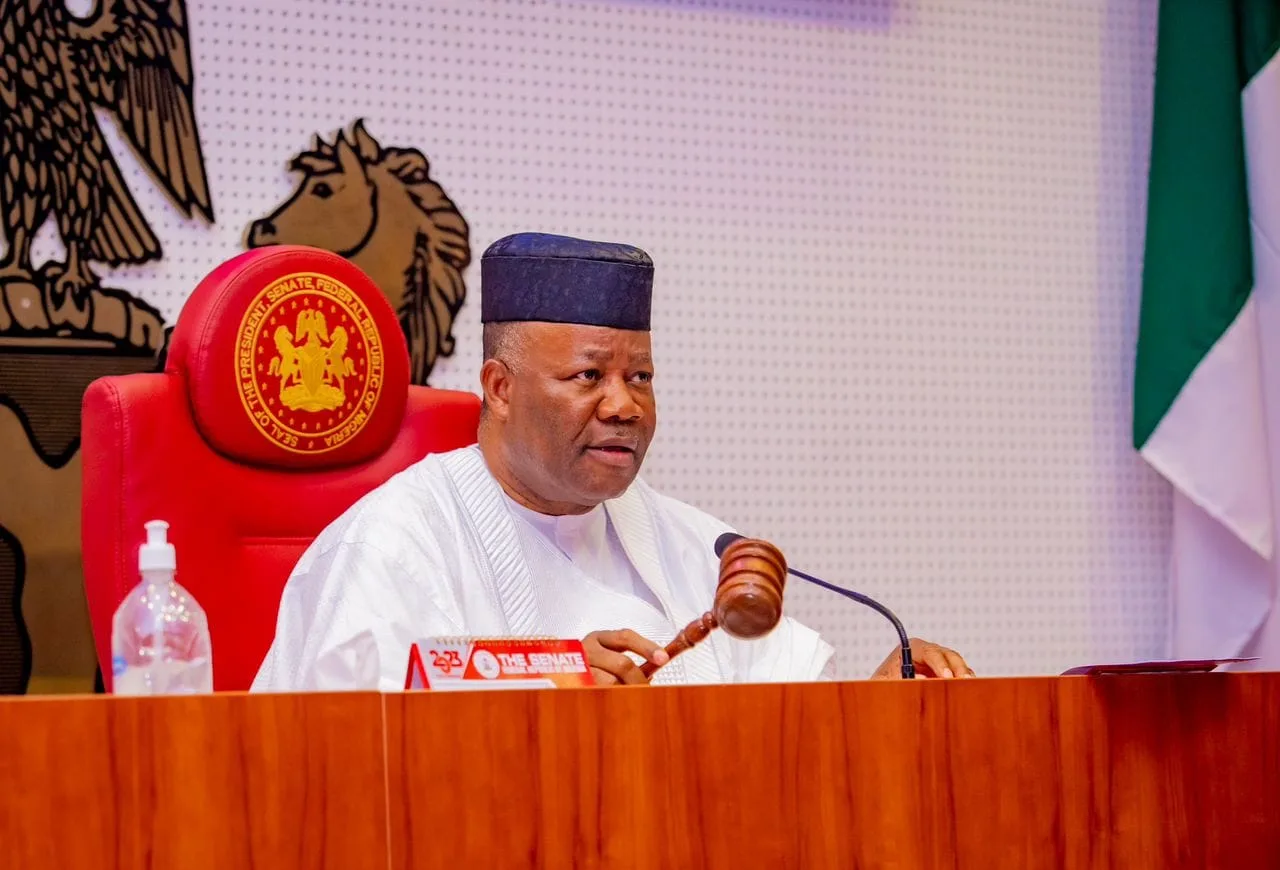
Akpabio
The Nigerian Senate has passed the Electoral Act (Amendment) Bill following a tense plenary session marked by heated exchanges and a division vote over the controversial Clause 60.
The rowdy session was triggered by Senator Enyinnaya Abaribe, who insisted on a division regarding Clause 60(3), specifically opposing the proviso that permits manual transmission of election results where electronic transmission fails.
As proceedings resumed, Senate President Godswill Akpabio stated that he believed the earlier demand for division had been withdrawn — a remark that drew immediate resistance from opposition lawmakers.
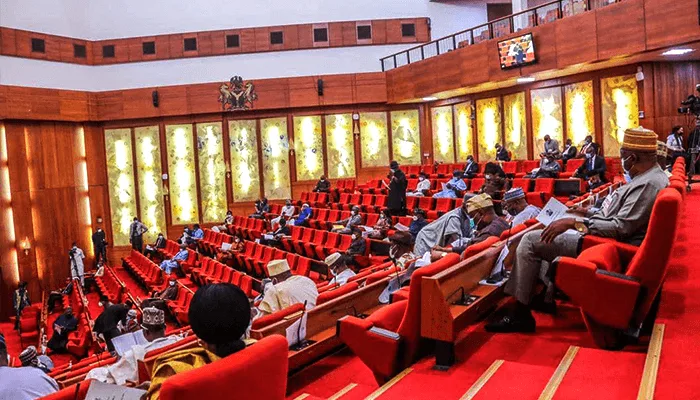
Deputy Senate President Barau Jibrin invoked Order 52(6), arguing that it would be out of order to reopen a matter already ruled upon by the presiding officer. His intervention sparked further uproar, with lawmakers engaging in heated exchanges. At one point, Senator Sunday Karimi had a brief confrontation with Abaribe on the chamber floor.
Related Posts:
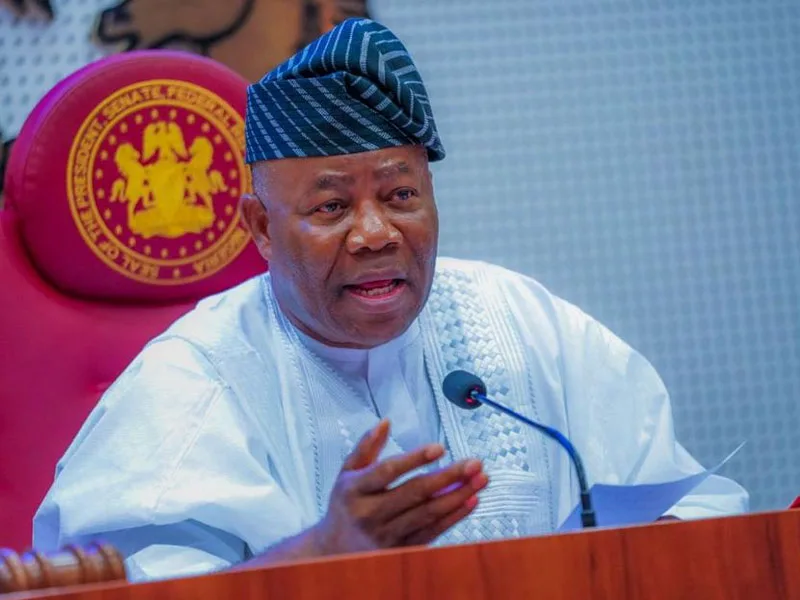



Senate Leader Opeyemi Bamidele clarified that he had sponsored the motion for rescission, meaning earlier decisions on the bill were no longer valid. He maintained that Abaribe’s demand was procedurally in order. Akpabio subsequently sustained the point of order and directed Abaribe to formally move his motion.
Rising under Order 72(1), Abaribe called for a division on Clause 60(3), seeking the removal of the proviso allowing manual transmission in cases of network failure.
During voting, senators in support of retaining the proviso were asked to stand, followed by those opposed. Fifteen opposition senators stood against the clause, while 55 senators voted in its favour. The clause was consequently retained, preserving the provision for manual transmission where electronic transmission fails.
Earlier, the Senate had dissolved into the Committee of the Whole after a motion to rescind the previous passage of the Electoral Act, 2022 (Repeal and Re-Enactment) Bill 2026 was seconded. Clause-by-clause consideration commenced but stalled at Clause 60 when Abaribe raised a point of order, prompting consultations and murmurs across the chamber before a brief closed-door session.
Before rescinding the bill, lawmakers also expressed concern over the timetable announced by the Independent National Electoral Commission (INEC), which fixed the 2027 general elections for February 2027.
Bamidele explained that the 360-day notice requirement in Clause 28 could result in scheduling the 2027 presidential and National Assembly elections during Ramadan, potentially affecting voter turnout, logistics and stakeholder participation.
The Senate further identified drafting inconsistencies affecting several clauses, including issues of cross-referencing, numbering and internal coherence. After addressing the concerns and voting on contested provisions, the chamber passed the amended Electoral Act bill, setting the stage for the next legislative steps in the review process.


