



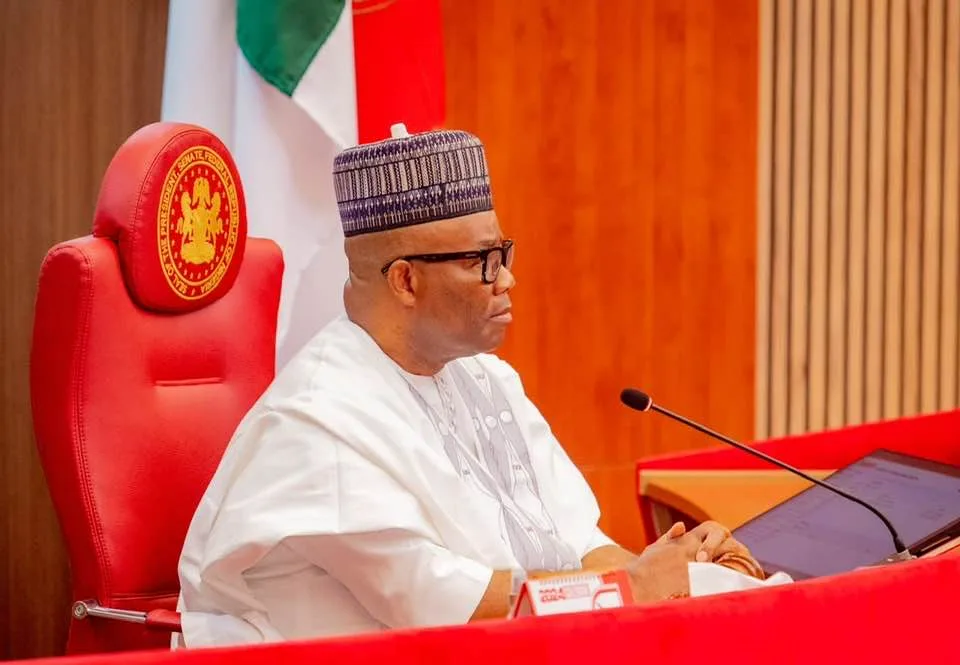
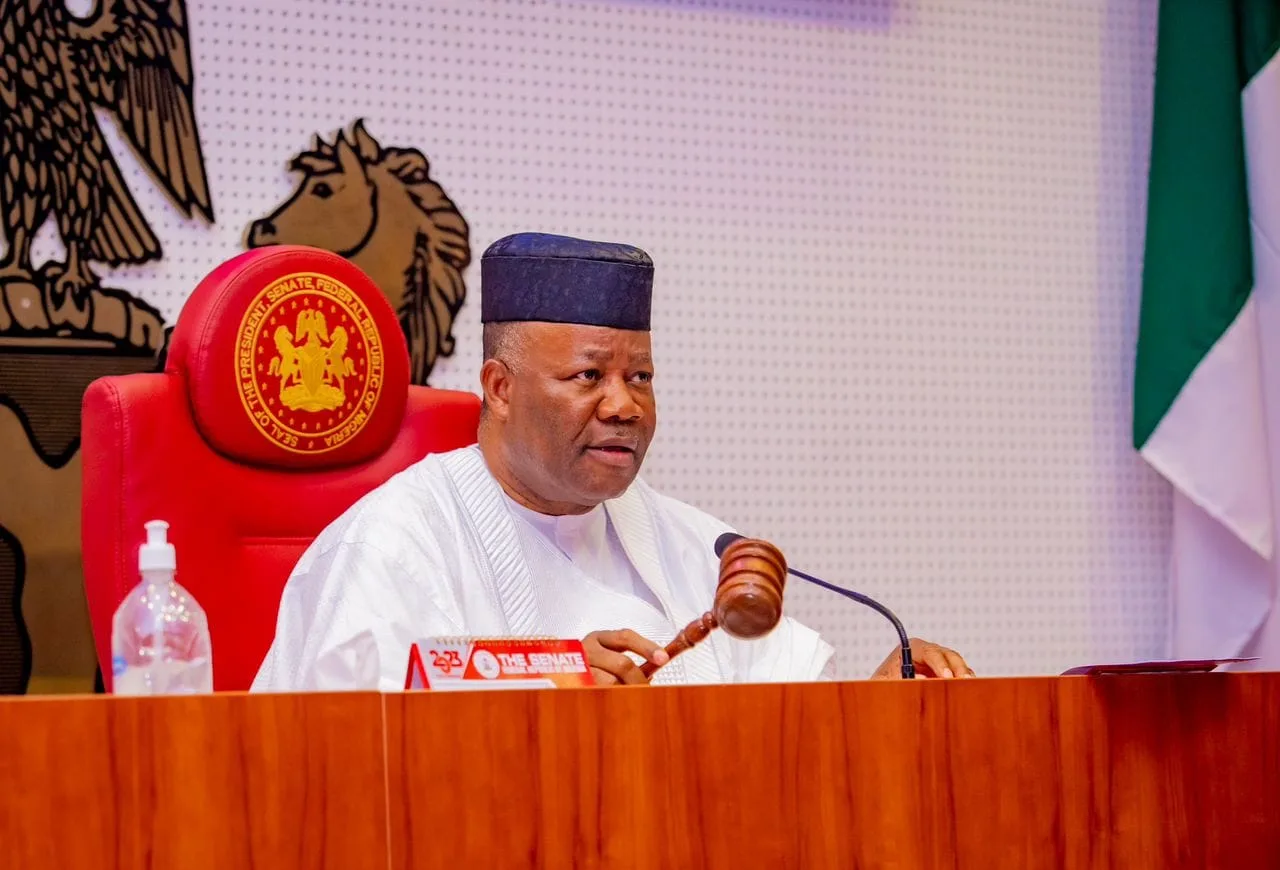
Senate President, Senator Godswill Akpabio
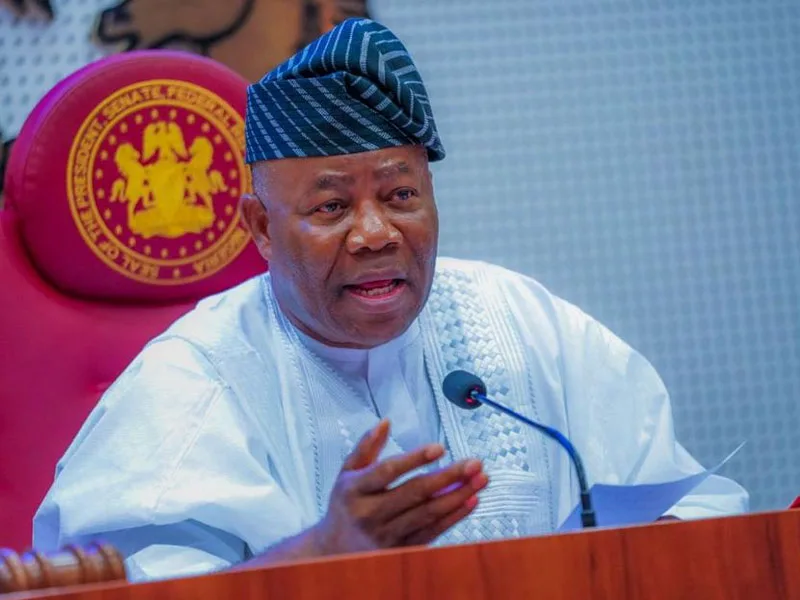
Senate President, Godswill Akpabio, has summoned an emergency sitting of the Senate for Tuesday, February 9, 2026, as mounting public backlash continues to trail recent amendments to the Electoral Act, particularly the rejection of mandatory electronic transmission of election results.
The extraordinary session is widely seen as an attempt by the leadership of the Red Chamber to fast-track legislative processes surrounding the controversial Electoral Act Amendments Bill, amid intense pressure from civil society groups, labour unions, and prominent political figures.
A statement issued on Sunday by the Clerk of the Senate, Emmanuel Odo, directed all senators to reconvene for the sitting, which is scheduled to commence at noon. Although the notice did not explicitly state the reason for the sudden recall, checks by ADBN TV revealed that the emergency plenary is primarily aimed at approving the Votes and Proceedings of the Senate’s last sitting.
This procedural step is considered crucial, as it will clear the way for the conference committee on the Electoral Act amendments to formally begin its work.
Related Posts:
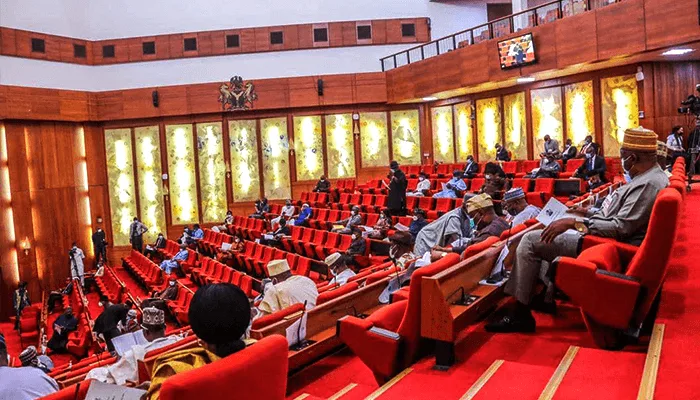

A ranking senator and principal officer of the Senate, who confirmed the development on condition of anonymity, disclosed that lawmakers had already received a circular from the presiding officer.
“We have been formally asked to reconvene on Tuesday to approve the Votes and Proceedings of our last legislative sitting. This is necessary to allow the conference committee to commence work on the Electoral Act Amendments Bill,” the senator said.
He further hinted that the emergency sitting could initially be held behind closed doors, given the growing political tension surrounding the issue of electronic transmission of election results.
“It is most likely that there will be an executive session before the main business of the day. The issue of electronic transmission of results has already generated serious tension within and outside the National Assembly,” he added.
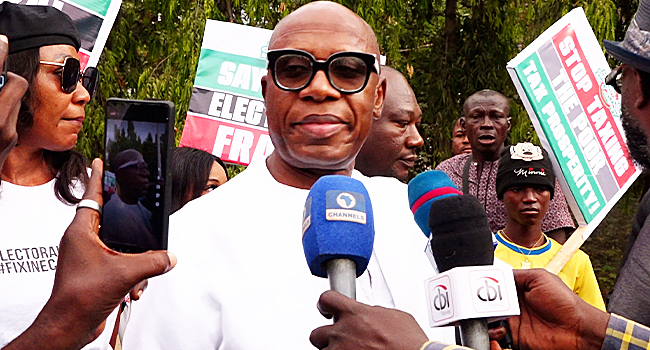
The emergency recall comes against the backdrop of widespread condemnation of the Senate’s position on electronic transmission of results, which many stakeholders regard as a critical safeguard for electoral transparency and credibility.
Prominent Nigerians, including former Senate President David Mark; human rights lawyer, Mr. Femi Falana, SAN; former Minister of Education, Dr Oby Ezekwesili; political economist, Prof Pat Utomi; former Nigeria Labour Congress (NLC) President, Comrade Ayuba Wabba; Dr Usman Bugaje; Dr Bilikisu Magoro; Ambassador Nkoyo Toyo; Comrade Shehu Sanni; Comrade Ene Obi; and Olawale Okunniyi, have openly criticised the Senate’s decision.
The Nigeria Labour Congress has also weighed in, urging the National Assembly to ensure that the amended Electoral Act provides an unambiguous legal mandate for the Independent National Electoral Commission (INEC) to electronically transmit and collate results from polling units in real time.
According to the NLC, anything short of this would undermine public confidence in the electoral process ahead of the 2027 general elections.
The Senate and the House of Representatives are currently on a two-week recess, during which lawmakers are expected to engage with ministries, departments and agencies (MDAs) over the implementation of the 2026 budget.
However, political observers note that the decision to interrupt the recess underscores the urgency attached by Senate leadership to resolving outstanding issues surrounding the Electoral Act, a law that will fundamentally shape the conduct, credibility and integrity of future elections in Nigeria.
Analysts say Tuesday’s emergency sitting could prove pivotal, as it may determine the final direction of Nigeria’s electoral reforms and set the tone for the next phase of engagement between the National Assembly, the executive arm of government and the Nigerian electorate—especially on the highly contentious issue of electronic transmission of election results.