The Federal Government has reiterated that it will not reintroduce fuel subsidy, despite growing concerns over the rising cost of living following its removal. Minister of Finance and Coordinating Minister of the Economy, Taiwo Oyedele, made the position known on Tuesday during an engagement with global investors in Paris, France, alongside President Bola Ahmed Tinubu. […]
The Federal Government has reiterated that it will not reintroduce fuel subsidy, despite growing concerns over the rising cost of living following its removal.
Minister of Finance and Coordinating Minister of the Economy, Taiwo Oyedele, made the position known on Tuesday during an engagement with global investors in Paris, France, alongside President Bola Ahmed Tinubu.
According to Oyedele, fuel subsidy created economic distortions and was unsustainable for the country’s economy.
“We will not bring back fuel subsidy because it creates distortions for the economy, and we won’t introduce price control because we believe in the market,” he said.
The minister maintained that the government believes market forces should determine petrol prices, adding that current global developments present new opportunities for Nigeria’s energy sector.
The removal of fuel subsidy in May 2023 triggered sharp increases in fuel, transportation, and food prices, contributing to a surge in inflation across the country.
Nigeria’s headline inflation rose significantly in the months following the policy announcement, while food inflation climbed above 39 per cent by October 2024, worsening economic hardship for many households.
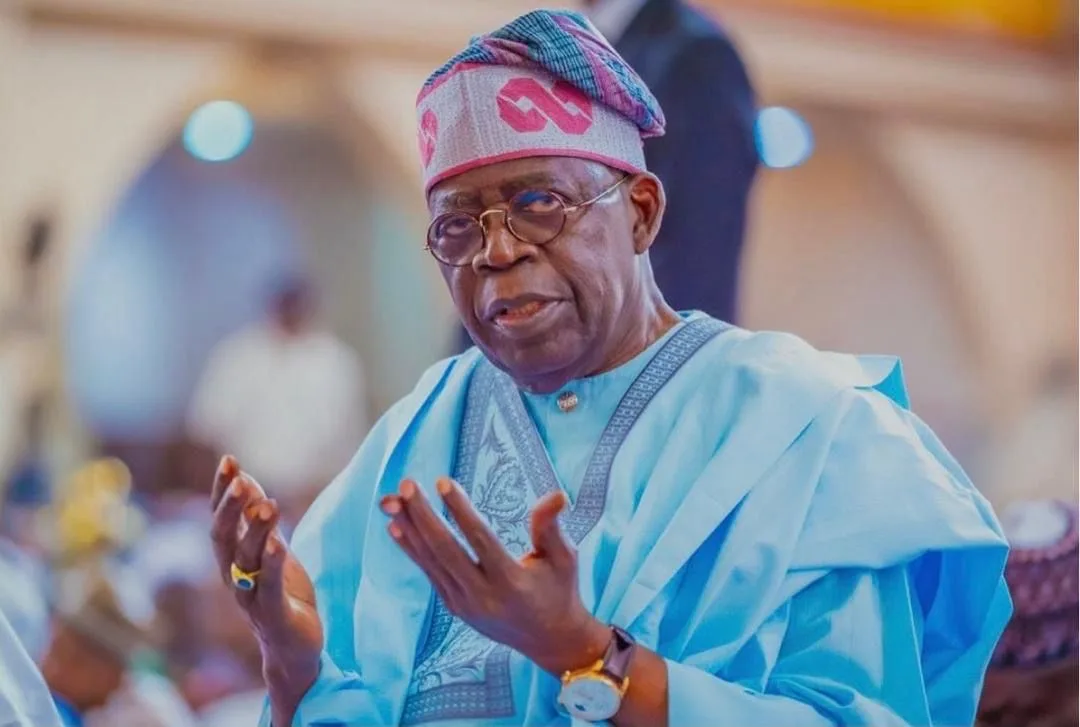
Speaking at the meeting, President Tinubu defended the subsidy removal policy, describing it as necessary to stabilise the economy and improve foreign exchange management.
“Subsidy that was a burden to the entire country was removed, and ever since we have achieved FX stability,” the President said.
The administration also assured investors of its commitment to fiscal discipline, policy consistency, and economic reforms aimed at long-term growth.
Oyedele further highlighted Nigeria’s economic outlook, noting that the country recorded strong GDP growth in dollar terms in 2025 and remains focused on achieving a $1 trillion economy by 2030.
The meeting was attended by international investors and financial institutions, including representatives from Citibank and Amundi, among others.
ADBN TV is a dynamic digital broadcasting platform committed to delivering credible news, inspiring stories, and engaging programmes that inform, educate, and connect communities across Nigeria and beyond.