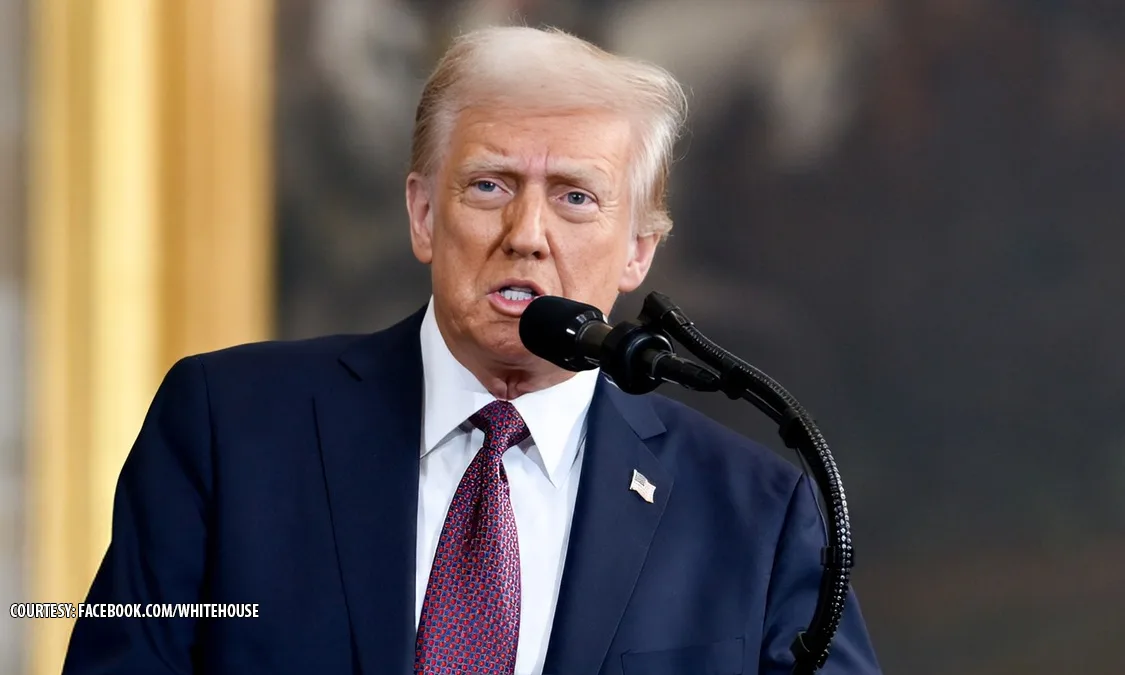


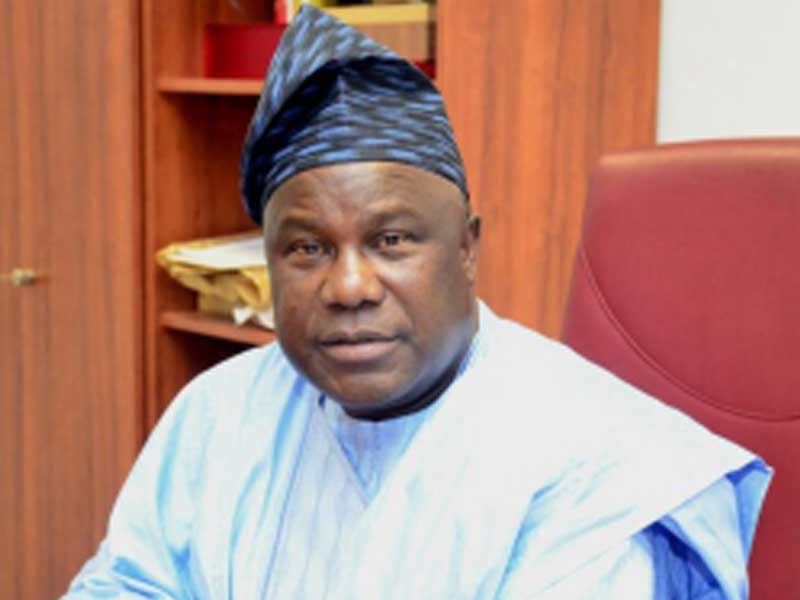
Deputy Spokesperson of the League of African Ambassadors, Ambassador John Usanga, has called on the Nigerian government to send high-level emissaries to Washington to de-escalate growing diplomatic tensions with the United States following threats by US President Donald Trump over alleged persecution of Christians in Nigeria.
Speaking on ARISE News on Tuesday, Usanga commended the federal government’s initial diplomatic response but stressed that press statements alone were insufficient to manage the situation.
“So far, the steps taken by the federal government are in the right direction. When tensions escalate, the first thing you do is de-escalate,” he said. “But at this point, it’s not enough to respond through press statements. Nigeria is blessed with high-profile individuals, respected globally, who should be deployed as emissaries to de-escalate the tension building up between Nigeria and the USA.”
Usanga suggested that such emissaries could prepare the ground for direct high-level dialogue, signalling Nigeria’s commitment to addressing Washington’s concerns.
He emphasized that while killings across Nigeria are undeniable, they are not religiously motivated, contrary to some narratives being pushed internationally.
Related Posts:




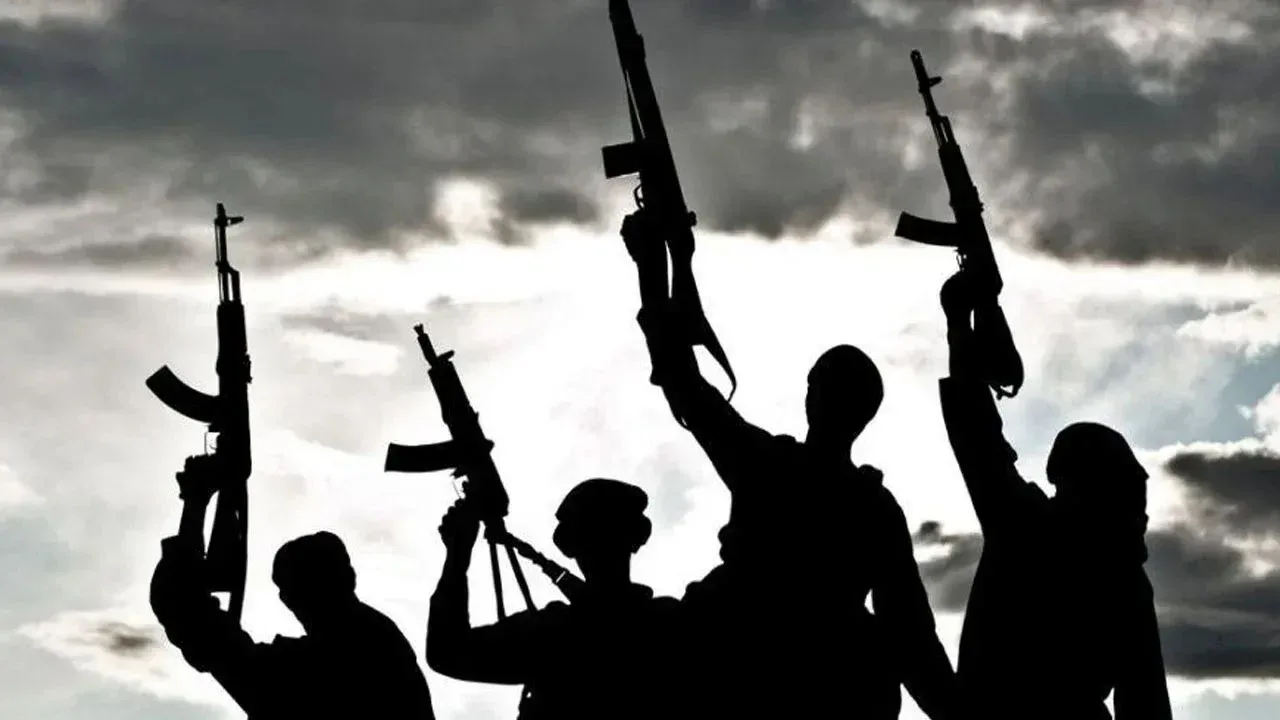
“We are here, we know exactly what is going on. Nigerian Christians are not being singled out. There’s terrorism and banditry across the country,” he explained. “We need credible Nigerians with access to US authorities who can explain the reality here and pave the way for sustained diplomatic engagement.”
The former Nigerian ambassador to Guinea-Bissau and Cape Verde also addressed China’s recent show of support for Nigeria following Trump’s remarks, warning against interpreting the gesture as a geopolitical alignment.
“Diplomacy is the engine that drives international relations, and everything about it is based on interest,” he said. “China’s support is its way of showing Nigeria that it is a strong ally. But Nigeria must be careful not to turn this into a ‘them versus us’ scenario between the US and China.”
Usanga urged Abuja to maintain balanced and interest-driven diplomacy, noting that both Washington and Beijing remain vital partners.
“The United States remains a strong ally of Nigeria. In as much as China wants to demonstrate its alliance, we must create room for all partners to engage with us. It’s not about me and them — it’s about all of us working together for the good of society,” he added.
He concluded by underscoring the importance of measured diplomacy rooted in engagement rather than confrontation.
“Yes, sovereignty is recognised under international law as the supreme power of a state within its territory,” Usanga said. “But when you belong to multilateral organisations or have bilateral ties, you’ve already ceded some aspects of sovereignty to honour agreements. What matters now is diplomacy — calm, strategic, and rooted in engagement, not confrontation.”