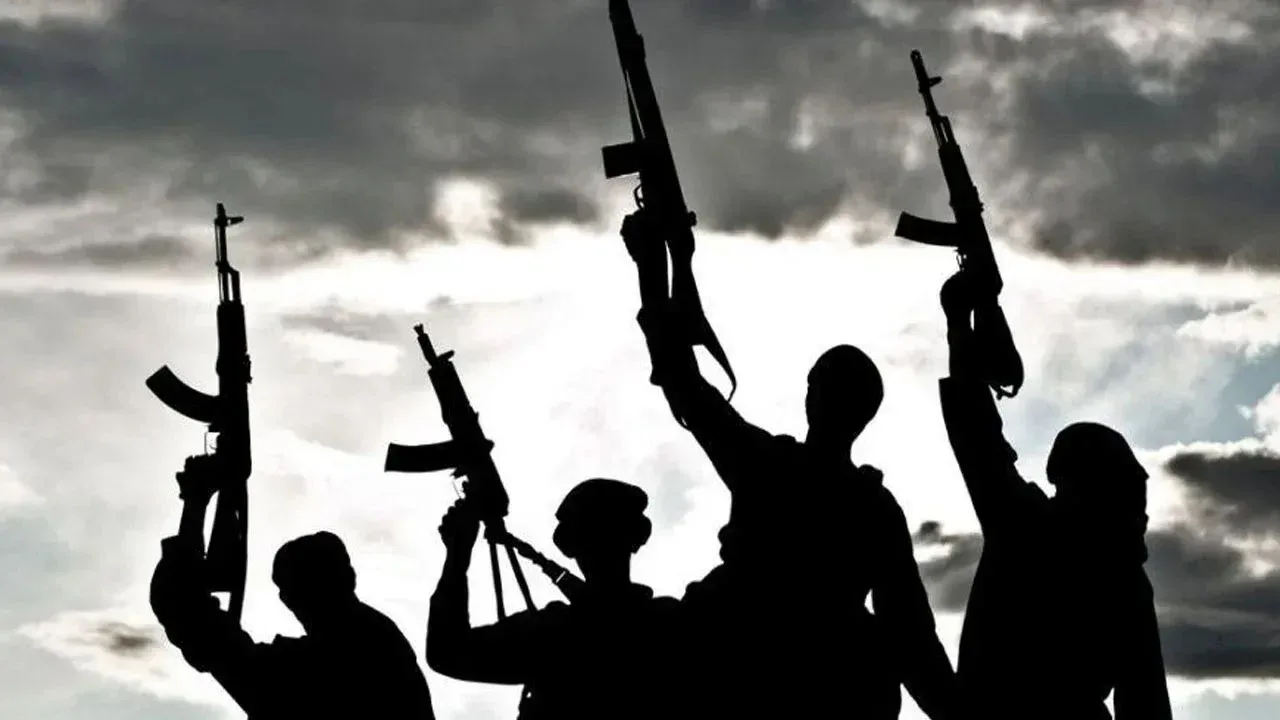


Deadly clashes between protesters and security forces have escalated across Iran as nationwide demonstrations over rising living costs entered a fifth day, with multiple fatalities reported in several western and southern cities.
Reports from state media and a Kurdish human rights group indicated that at least two people were killed during confrontations in the south-western city of Lordegan, while three deaths were recorded in Azna and another in Kouhdasht, both in western Iran. Authorities did not immediately clarify whether those killed were protesters or security personnel.
The Kurdish rights group identified the two people killed in Lordegan as protesters, naming them as Ahmad Jalil and Sajjad Valamanesh, although the information could not be independently verified.
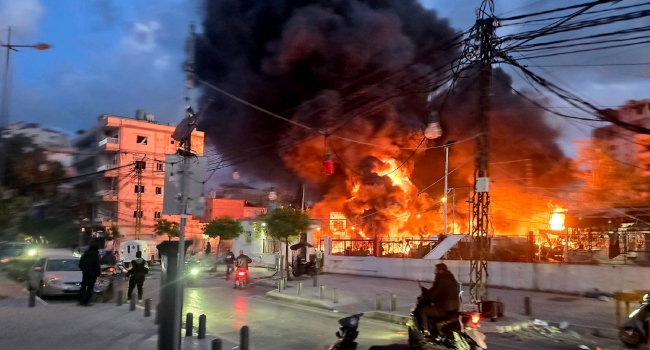
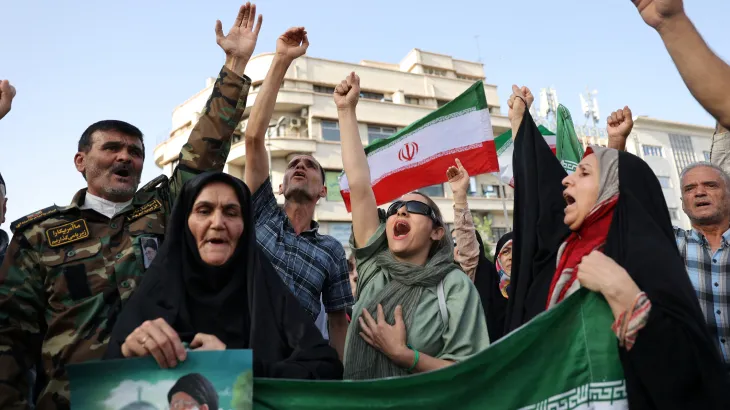
Videos circulating on social media showed vehicles set ablaze and running battles between demonstrators and security forces, as chants against Iran’s clerical leadership echoed through several cities. Some protesters called for an end to the rule of the supreme leader, while others voiced support for the restoration of the monarchy.
Verified footage showed protests taking place in Tehran, Lordegan and Marvdasht in southern Fars province. As the unrest spread, clashes were reported involving Iran’s Revolutionary Guards and the Basij militia. State media claimed that one member of the security forces was killed in Kouhdasht on Wednesday night, while protesters countered that the victim was a demonstrator shot by security personnel.
Related Posts:

Authorities also said at least 13 police officers and Basij members were injured by stone-throwing during the clashes.
In response to the growing unrest, the government ordered the closure of schools, universities and public institutions nationwide on Wednesday, officially citing energy conservation due to cold weather. Many Iranians, however, interpreted the move as an attempt to curb the protests.
The demonstrations began in Tehran among shopkeepers angered by a sharp fall in the value of the national currency against the US dollar, before spreading to universities and other cities and evolving into broader protests against the country’s political leadership.
The unrest represents the most widespread protests since the 2022 demonstrations triggered by the death in custody of Mahsa Amini, though on a smaller scale. Security has since been tightened in key areas of Tehran where the protests first erupted.
President Masoud Pezeshkian said his administration was prepared to listen to the “legitimate demands” of protesters, while Prosecutor General Mohammad Movahedi-Azad warned that any attempt to destabilise the country would face a “decisive response.”