Security agencies mounted heavy deployments across Abuja on Wednesday as tensions from the escalating conflict involving the United States, Israel and Iran triggered heightened alert across Nigeria’s capital. Armed soldiers and police officers were stationed around strategic government buildings, diplomatic districts and major transit routes in the Federal Capital Territory as authorities moved to prevent […]
Share This Article:
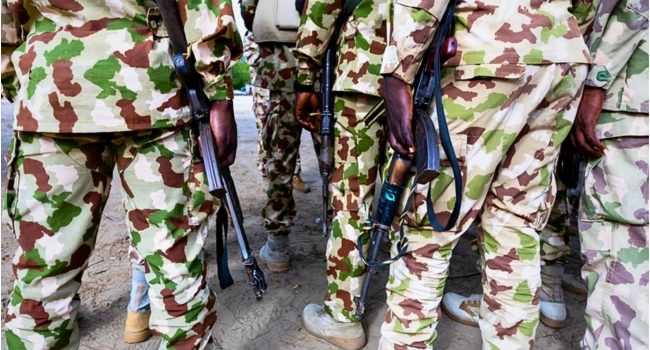
Security agencies mounted heavy deployments across Abuja on Wednesday as tensions from the escalating conflict involving the United States, Israel and Iran triggered heightened alert across Nigeria’s capital.
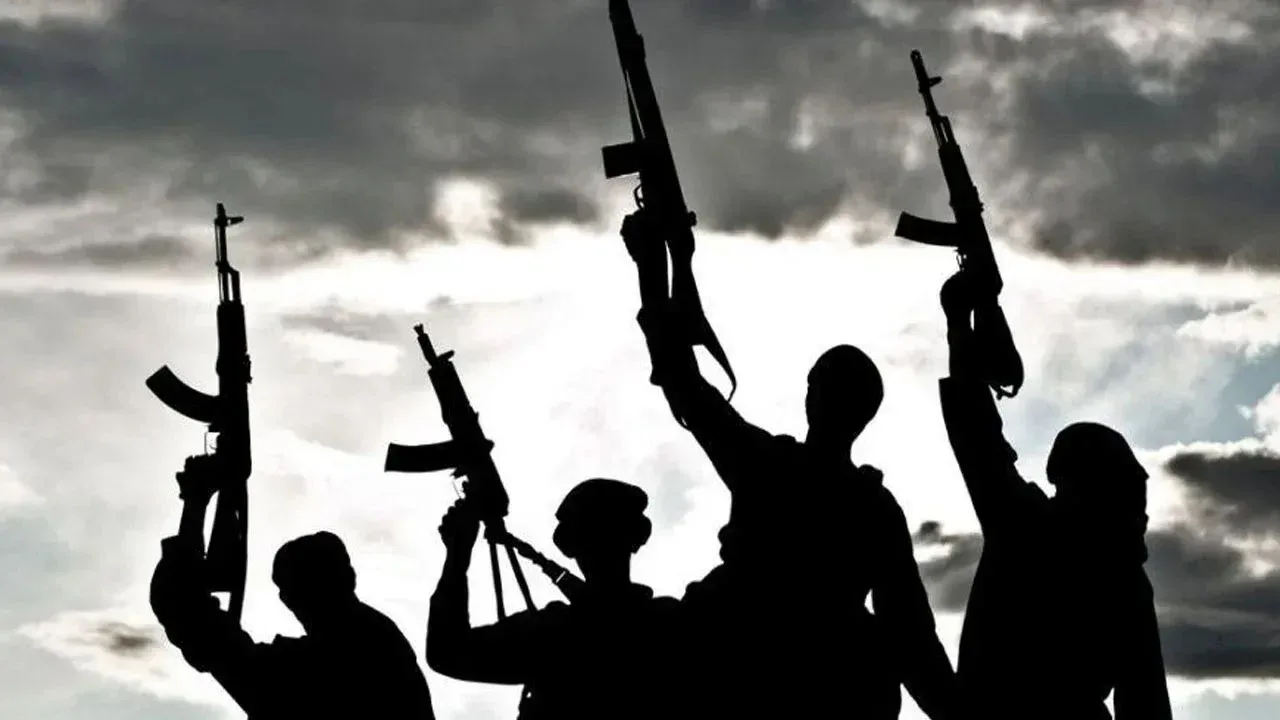
Armed soldiers and police officers were stationed around strategic government buildings, diplomatic districts and major transit routes in the Federal Capital Territory as authorities moved to prevent any potential security threats linked to the intensifying Middle East crisis.
Although officials did not announce a specific threat, the large security presence signaled growing global concern over the widening confrontation.
US Embassy Cancels Visa Appointments
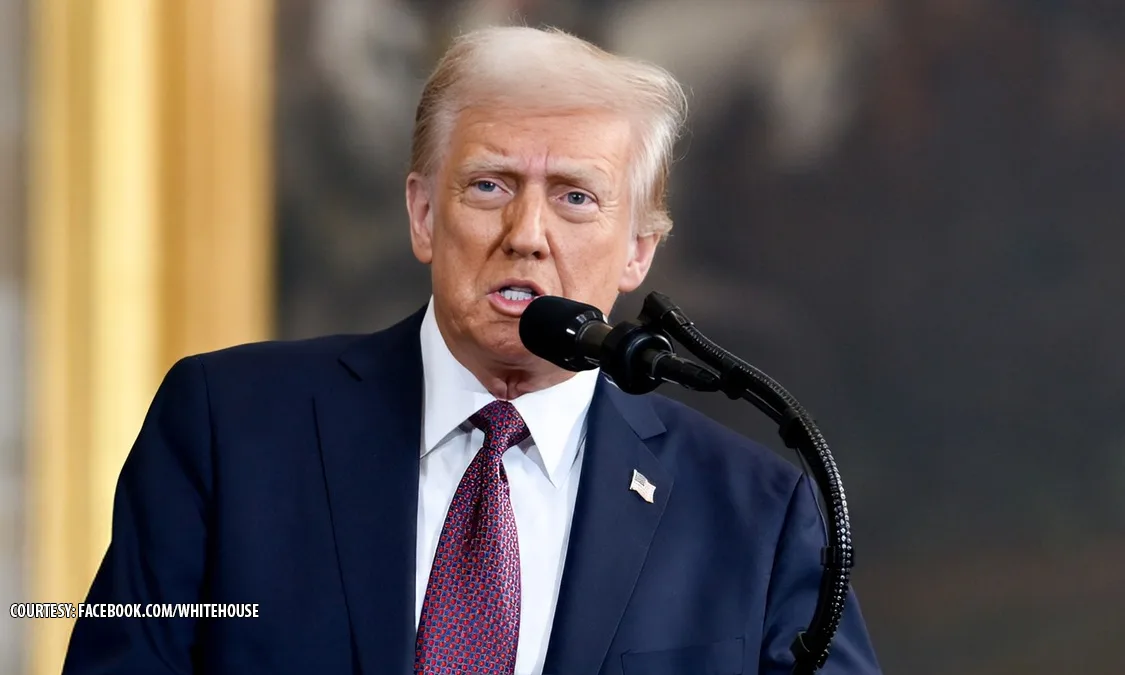
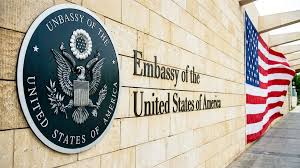
The United States Embassy Abuja also cancelled all visa appointments scheduled for Wednesday, citing security concerns related to the evolving conflict.
In a security advisory to its citizens in Nigeria, the embassy warned of possible protests and demonstrations in the FCT and urged Americans to remain indoors and avoid crowded areas.
Applicants affected by the cancellation were informed that their interviews would be rescheduled, while emergency consular services would remain available. Operations at the United States Consulate General Lagos were not immediately affected.
Security Checkpoints Across the Capital
Major routes leading into the city, including the busy Abuja-Keffi road, experienced severe traffic as security forces established checkpoints to prevent members of the Islamic Movement in Nigeria (IMN), popularly known as the Shiites, from staging protests over the attacks on Iran.
Security barricades were reported at several strategic points including Mararaba, Nyanya, Kugbo, and near government buildings such as the Eagle Square and the Federal Ministry of Finance complex.
Some individuals suspected of attempting to incite protests were reportedly arrested and taken into police custody.
Authorities believe the lockdown was necessary to prevent demonstrations already seen in parts of northern Nigeria including Niger State, Kaduna State and Sokoto State from spreading to Abuja.
Religious Leaders Call for Calm
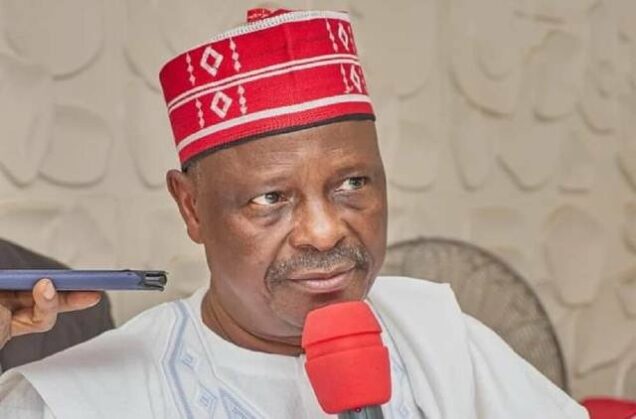
Amid rising tensions, the League of Imams and Alfas Lagos urged Nigerians not to take sides or participate in protests linked to the Middle East crisis.
Speaking during the Ramadan Tafsir programme at Lagos House in Ikeja, Sheikh Abdul Rahman Ahmad warned that demonstrations could trigger unrest and urged citizens to pray for peace instead.
He also warned that the global conflict could worsen Nigeria’s economic challenges, including a possible rise in fuel prices.
Global Conflict Intensifies
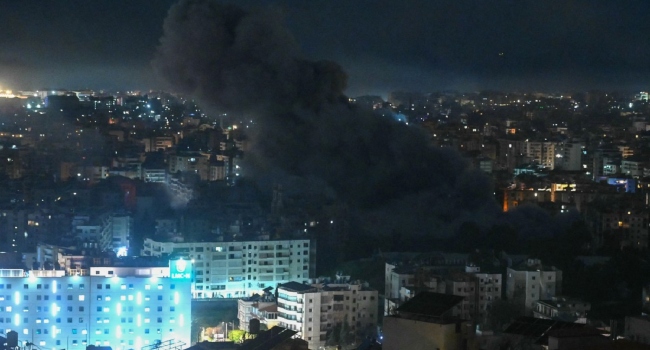
The war has continued to escalate with the reported killing of Iran’s Supreme Leader, Ali Khamenei, during joint strikes by the United States and Israel.
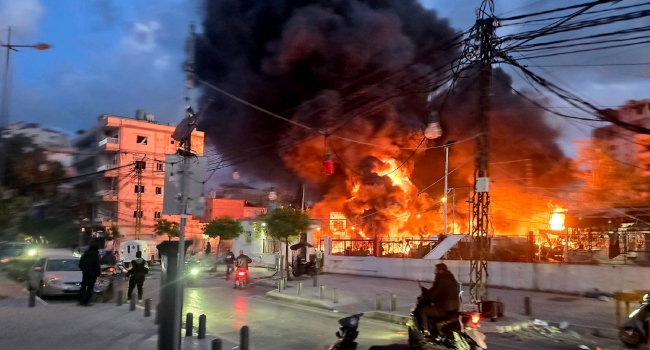
Iran has since launched waves of missile and drone attacks against Israeli targets and U.S. interests across the region, raising fears of a broader global confrontation.
Iranian authorities say more than 1,000 people have been killed since the strikes began.
Meanwhile, global markets are reacting nervously to the conflict, with analysts warning that disruptions around the Strait of Hormuz could drive oil prices significantly higher if the war continues to expand.
ADBN TV is a dynamic digital broadcasting platform committed to delivering credible news, inspiring stories, and engaging programmes that inform, educate, and connect communities across Nigeria and beyond.