The conflict between Israel and Iran intensified on Thursday as new strikes spread across several parts of the Middle East, raising fears of a broader regional war. Israel launched fresh bombardments on Lebanon, including a pre-dawn airstrike on a suburb of Beirut known as a stronghold of Hezbollah. The Iran-backed group has vowed to retaliate […]
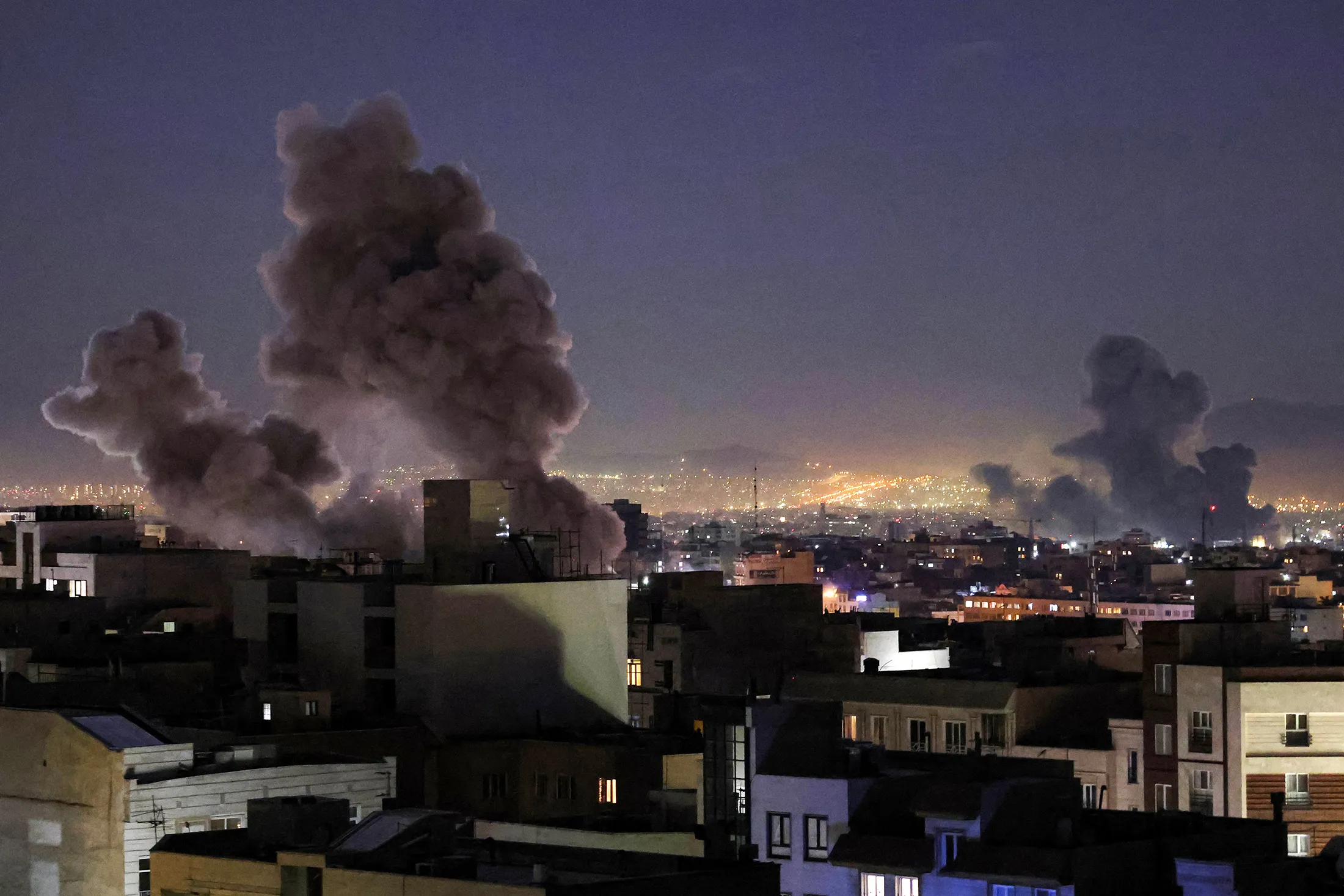
The conflict between Israel and Iran intensified on Thursday as new strikes spread across several parts of the Middle East, raising fears of a broader regional war.
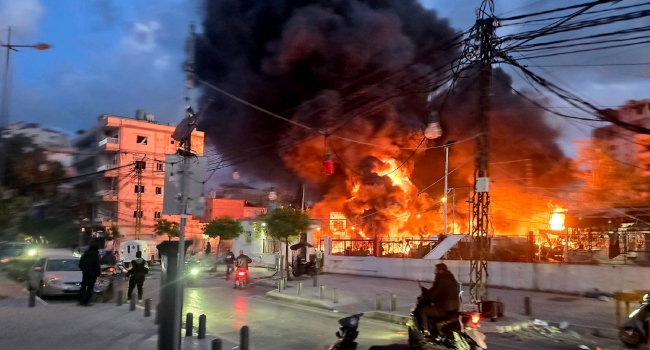
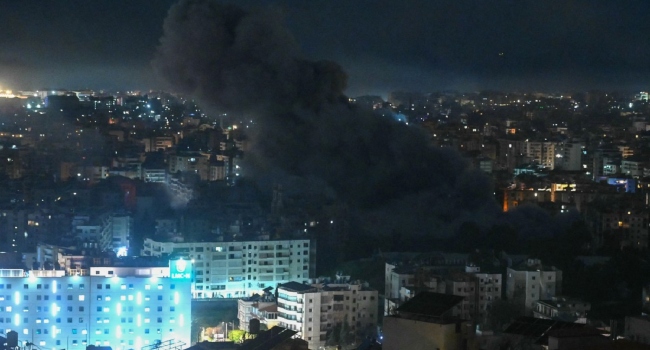
Israel launched fresh bombardments on Lebanon, including a pre-dawn airstrike on a suburb of Beirut known as a stronghold of Hezbollah. The Iran-backed group has vowed to retaliate following the killing of Iran’s supreme leader, Ali Khamenei, at the beginning of the war last Saturday.
At the same time, Israel said it intercepted a new barrage of missiles launched by Iran, despite earlier claims by the United States that Iranian military capabilities had been severely weakened.
Strait of Hormuz Tensions
Iran’s elite Islamic Revolutionary Guard Corps (IRGC) announced it had effectively shut down the Strait of Hormuz, a strategic waterway through which about one-fifth of the world’s oil supply normally passes.
Energy intelligence firm Kpler reported that oil tanker traffic through the strait has dropped by roughly 90 percent since the escalation began.
Meanwhile, Britain’s maritime authorities reported a large explosion near Kuwait City, with oil spilling into Gulf waters.
Iraq and Regional Fallout
The war’s ripple effects were also felt in Iraq, where the country experienced a nationwide electricity blackout. Officials blamed a sudden drop in gas supply to a key power plant, though it was not immediately confirmed whether the outage was directly linked to the conflict.
Iran also launched a strike in the Kurdish region of Iraq, reportedly killing a member of an Iranian Kurdish opposition group.
US Sinks Iranian Warship
In a major escalation, the United States confirmed that one of its submarines sank the Iranian frigate IRIS Dena off the coast of Sri Lanka. The vessel had been on a friendly visit to India before the attack.
US Defence Secretary Pete Hegseth described the operation as a “quiet death,” saying Washington was determined to win the conflict.
Sri Lankan officials said at least 87 people were killed in the strike, with dozens still missing.
Missile Incident Near Turkey
A missile fired from Iran was intercepted by NATO air defences while heading toward the airspace of Turkey. Turkish authorities said the missile had actually been aimed at a British military base in Cyprus but had veered off course.
Turkey summoned Iran’s ambassador, warning against actions that could widen the war.
Impact Across the Gulf
Several Gulf states, including Saudi Arabia, United Arab Emirates and Qatar, reported intercepting Iranian missiles and drones targeting strategic infrastructure such as the Ras Tanura oil refinery.
Civilian casualties have also been reported. In Kuwait, an 11-year-old girl died after being struck by falling shrapnel from intercepted missiles.
Rising Death Toll
Iran’s state media reported that more than 1,000 people — including civilians and military personnel — have died since the conflict began. The United States confirmed six of its soldiers have been killed.
In Lebanon alone, Israeli strikes have reportedly killed at least 75 people and displaced over 83,000 residents.
Diplomatic Warnings
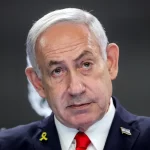
French President Emmanuel Macron warned Israeli Prime Minister Benjamin Netanyahu against launching a ground invasion of Lebanon and urged respect for Lebanon’s territorial integrity.
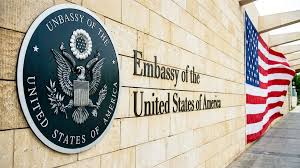
Iran, meanwhile, threatened to target Israeli embassies worldwide if Israel attacks Iranian diplomatic missions in Lebanon.
The escalating conflict has already disrupted air travel across the region and triggered evacuation efforts by countries including the United States, France and Britain, as fears grow that the war could spiral into a full-scale regional confrontation.
ADBN TV is a dynamic digital broadcasting platform committed to delivering credible news, inspiring stories, and engaging programmes that inform, educate, and connect communities across Nigeria and beyond.