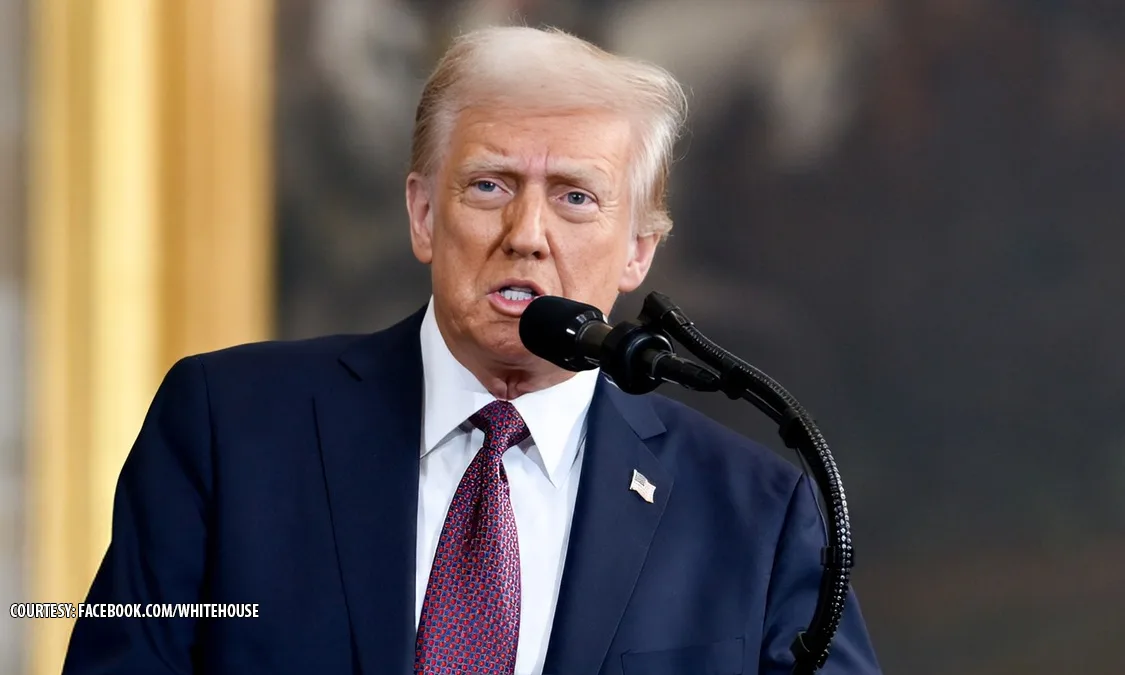



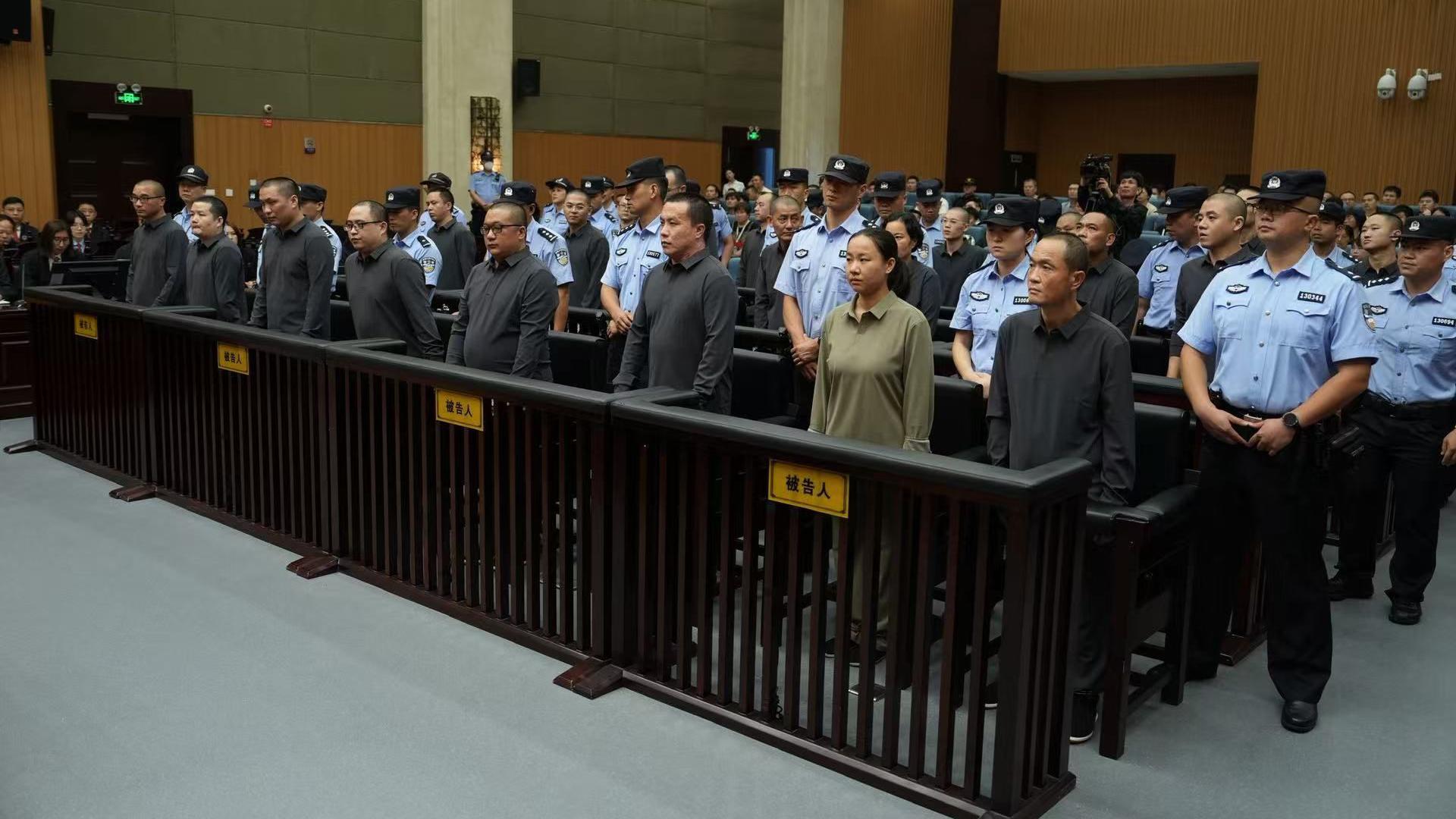
Iran’s judiciary has signalled plans to conduct swift trials and carry out executions of detained protesters, defying warnings from United States President Donald Trump as the death toll from nationwide demonstrations continues to rise.
Judiciary chief Gholamhossein Mohseni-Ejei made the declaration on Wednesday, amid growing concerns from activists that executions could begin imminently. A violent crackdown by Iranian security forces has reportedly killed at least 2,571 people, according to figures released by a US-based human rights group, marking the deadliest protest-related unrest in the country in decades and evoking memories of the upheaval surrounding the 1979 Islamic Revolution.
Trump has repeatedly warned that the United States could take military action over the killing of peaceful protesters. His comments come weeks after a 12-day conflict in June, during which Israel bombed Iranian nuclear facilities.
As tensions persist, Iranian authorities are preparing for the mass funeral of 100 security force members killed during the unrest. While anti-riot police and paramilitary Revolutionary Guard units have largely withdrawn from the streets, fear remains widespread among residents.
“We are very frightened because of these sounds of gunfire and protests,” said a mother of two while shopping on Wednesday. “We have heard many are killed and many are injured. Now peace has been restored but schools are closed and I’m scared to send my children to school again.”
Related Posts:

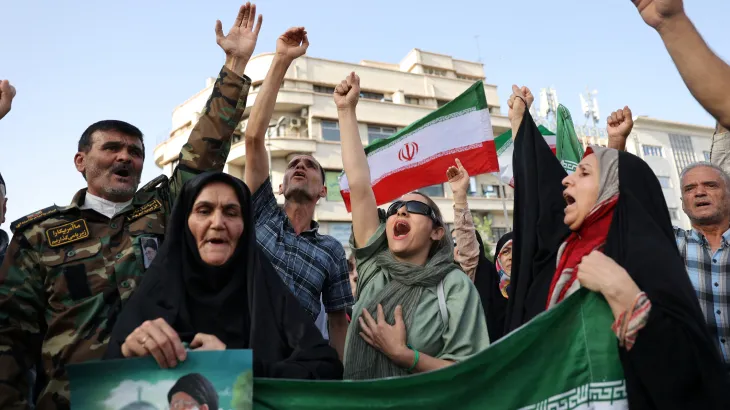

Another resident, Ahmadreza Tavakoli, 36, said he witnessed a protest in Tehran and was shocked by the use of live ammunition by security forces. He said people had gathered to express themselves peacefully before the situation deteriorated rapidly, noting that protesters were unarmed while security forces carried guns.
In a video shared by Iranian state television, Mohseni-Ejei stressed the need for speed in dealing with detainees. He said any action taken must be done immediately to have the desired effect, warning that delays of months would reduce its impact.
His remarks directly challenged Trump, who warned that Washington would respond forcefully if Iran proceeded with executions. Trump said while protests were one thing, the killing of thousands of people and the prospect of hangings would provoke strong action from the United States.
Meanwhile, activists reported that satellite internet services are helping Iranians bypass a government-imposed internet shutdown that began on January 8. Some international mobile calls were restored on Tuesday, though inbound calls from abroad remain blocked.
Security forces have reportedly been searching for satellite internet equipment, including raiding apartment buildings in northern Tehran. While satellite dishes are illegal in Iran, enforcement had eased in recent years.
Human rights groups reported that most of those killed were protesters, alongside government-affiliated individuals, children, and civilians not involved in demonstrations. More than 18,100 people are said to have been detained so far.
Ongoing communication disruptions have made it difficult to independently verify casualty figures and the full scale of the protests across the country.