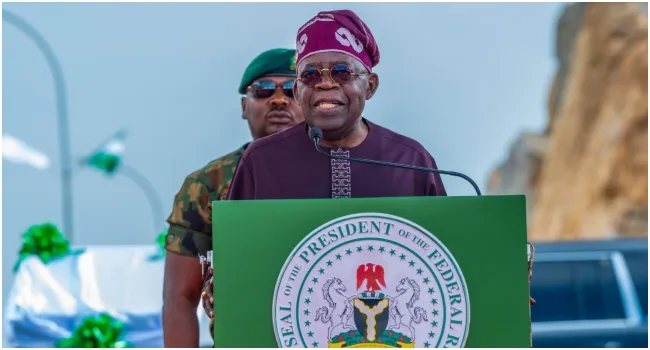
President Bola Tinubu has reaffirmed that the implementation of Nigeria’s newly enacted tax laws will commence on January 1, 2026, as scheduled, despite mounting criticism and calls for suspension from opposition figures and pressure groups. In a statement issued on Tuesday, the president said the reforms were not intended to increase taxes but to reset […]
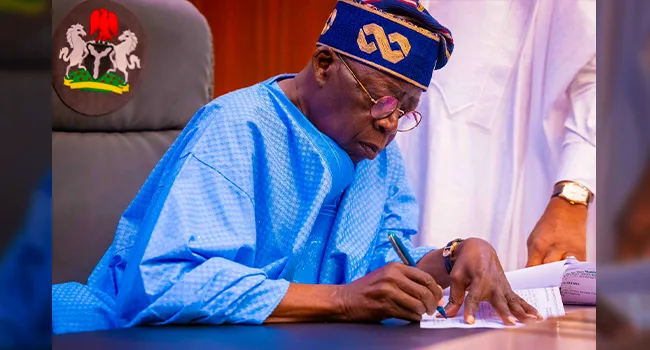
President Bola Tinubu has reaffirmed that the implementation of Nigeria’s newly enacted tax laws will commence on January 1, 2026, as scheduled, despite mounting criticism and calls for suspension from opposition figures and pressure groups.
In a statement issued on Tuesday, the president said the reforms were not intended to increase taxes but to reset the fiscal framework, promote harmonisation, protect citizens’ dignity and strengthen the social contract between the government and the people.
Tinubu stated that the tax laws already signed into effect on June 26, 2025, alongside the remaining acts slated to take effect on January 1, 2026, would be implemented without delay, describing the reforms as a “once-in-a-generation opportunity” to build a fair, competitive and resilient fiscal system.
He urged Nigerians to support the reforms, stressing that no substantial issue had been established to justify halting the process, despite public debate over alleged alterations to some provisions. According to him, trust in governance is built through consistent and well-considered decisions, not through what he described as premature and reactive actions.
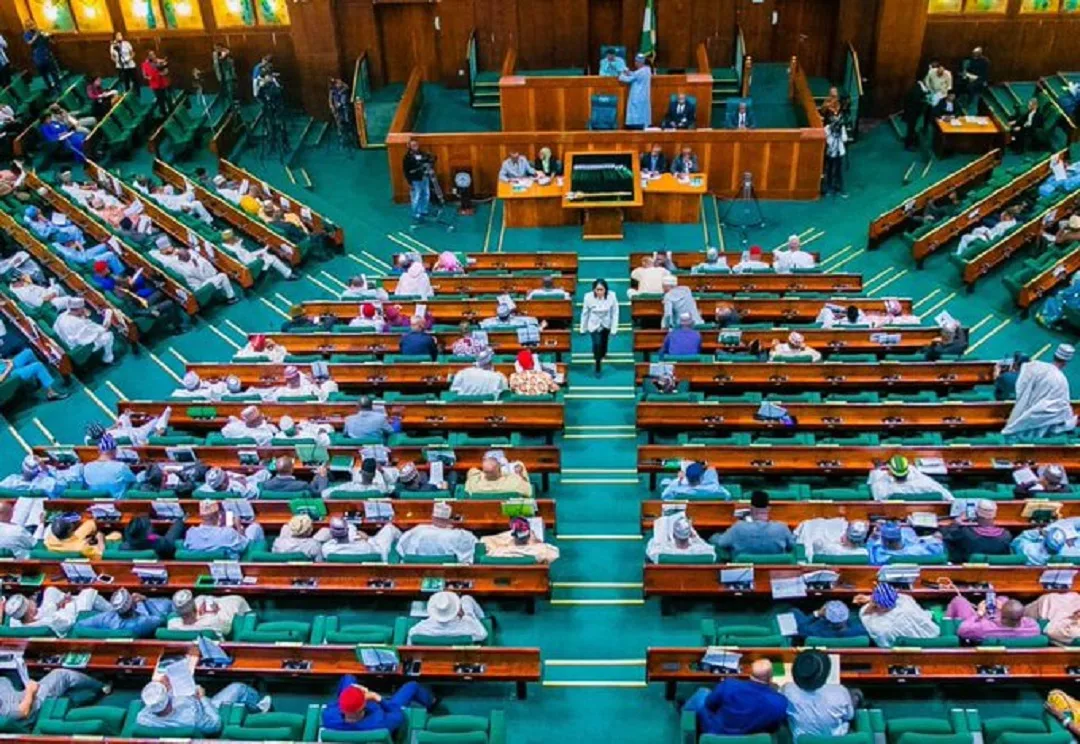
Controversy over the laws intensified after a member of the House of Representatives, Abdussamad Dasuki, raised concerns about discrepancies between the versions of the tax bills debated and passed by the National Assembly and those later gazetted and made available to the public. Dasuki argued that lawmakers could not conclusively determine whether alterations had occurred because the officially harmonised versions certified by the National Assembly clerk were not in circulation.
His remarks fuelled calls for the suspension of the laws, with opposition leaders including Peter Obi and Atiku Abubakar, as well as professional bodies such as the Nigerian Bar Association, urging the Federal Government to pause implementation pending clarification.
President Tinubu had signed the four tax reform bills into law in June, a move the government described as the most comprehensive overhaul of Nigeria’s tax system in decades. The new framework comprises the Nigeria Tax Act, the Nigeria Tax Administration Act, the Nigeria Revenue Service (Establishment) Act and the Joint Revenue Board (Establishment) Act, all operating under a unified authority, the Nigeria Revenue Service.
Although the bills faced stiff resistance during the legislative process, the presidency has maintained that the reforms will proceed as planned, with full implementation set to begin on January 1, 2026.
ADBN TV is a dynamic digital broadcasting platform committed to delivering credible news, inspiring stories, and engaging programmes that inform, educate, and connect communities across Nigeria and beyond.