The Minority Caucus of the House of Representatives has called on the Federal Government to suspend the implementation of the newly enacted tax reform laws amid growing allegations of alterations to the versions passed by the National Assembly. The demand follows recent comments by the Chairman of the Presidential Committee on Fiscal Policy and Tax […]
The Minority Caucus of the House of Representatives has called on the Federal Government to suspend the implementation of the newly enacted tax reform laws amid growing allegations of alterations to the versions passed by the National Assembly.
The demand follows recent comments by the Chairman of the Presidential Committee on Fiscal Policy and Tax Reforms, Taiwo Oyedele, who insisted last week that the January 1, 2026 implementation date for the Nigerian Tax Act and the Nigerian Tax Administration Act remains fixed.
“The plan to commence the new laws on January 1, 2026, will go ahead as planned on schedule because these reforms are designed to provide relief to the Nigerian people,” Oyedele said after a meeting attended by the Chairman of the Federal Inland Revenue Service (FIRS), Zacchaeus Adedeji, and the Chairman of the National Tax Policy Implementation Committee, Joseph Tegbe.
He added that, “Bottom 98 per cent of workers will see either no Pay As You Earn (PAYE) tax or lower taxes to be paid, small businesses 97 per cent of them will be exempted from Corporate Income Taxes, Value Added Tax (VAT), and Withholding Tax, and large businesses will see a drop in the taxes that they pay.
“The whole idea is to try and promote economic growth, inclusivity, as well as shared prosperity for our people.”
Oyedele, however, said the Federal Government was open to working with the National Assembly over concerns raised about alleged alterations to the laws.
In a statement jointly signed by Minority Leader Rep. O.K. Chinda, Minority Whip Rt. Hon. Ali Isa J.C., Deputy Minority Leader Rt. Hon. Aliyu Madaki, and Deputy Minority Whip Rt. Hon. George Ozodinobi, the caucus urged the government to halt implementation until investigations are concluded.
“…we call on the government to suspend the implementation of the tax laws until investigations are concluded and there is clarity and certainty of the law to be implemented,” the statement said.
The lawmakers also insisted that Nigerians and the business community are entitled to copies of the authentic laws “they are expected to obey,” assuring that the caucus would ensure any alleged illegalities in the gazetted versions are addressed in the national interest.
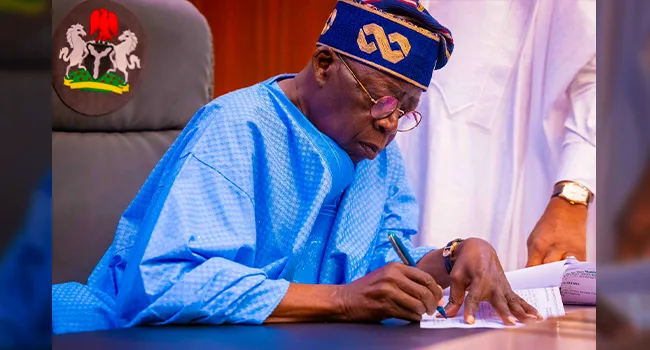
“We have noted with great consternation and an overwhelming sense of disappointment the current storm brewing over the Tax Reform laws that were duly passed by the National Assembly and properly signed into law by President Bola Ahmed Tinubu, GCFR,” the caucus stated.
“Ordinarily, the controversy will have been dismissed as needless, but the gravity of the cause of the controversy is an issue of great concern to all Nigerians, especially since it borders on the accusations of unlawful alterations to the laws as passed by both Chambers of the National Assembly and subsequently signed by the President.”
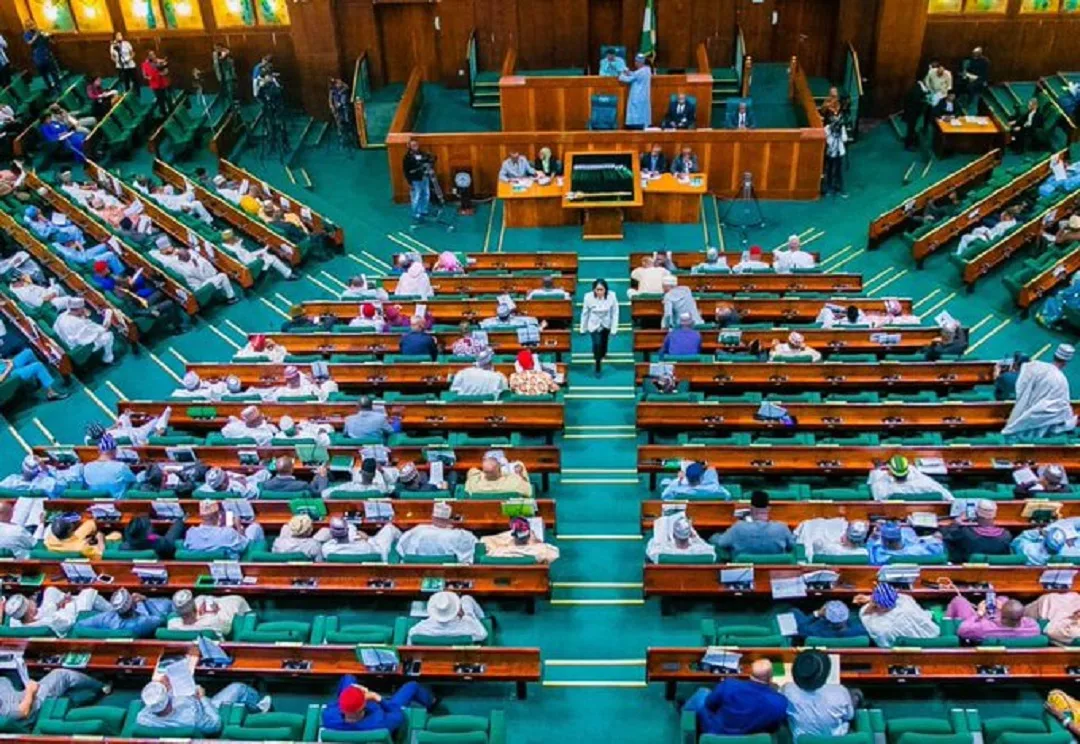
The caucus referenced a motion raised during a recent plenary, which led to the inauguration of a high-powered House committee to investigate claims that the tax laws were “fraudulently altered, gazetted and the altered copy circulated to the public.”
“As such, we want to assure Nigerians that the Minority Caucus of the House of Representatives, will stand with the entire House to see that the circumstances surrounding this illegality is exposed and the culprits brought to book in the interest of justice for all Nigerians,” the statement added.
The lawmakers further called on Nigerians to disregard any version of the tax laws lacking the signatures of the Clerk to the National Assembly and the President, warning that “any attempt to foist fake laws on Nigerians is an attack on the independence and constitutional role of the National Assembly.”
The controversy intensified after a member of the House, Abdussamad Dasuki, raised concerns over discrepancies between the tax laws debated and passed by lawmakers and the versions later gazetted and circulated.
“Before you can say there is a difference between what was gazetted and what was passed, we have what has not been gazetted. We don’t have what was passed,” Dasuki said.
“The official harmonised bills certified by the clerk, which the National Assembly sent to the President, we don’t have a copy to compare. Only the lawmakers can say authoritatively what we sent.”
President Bola Ahmed Tinubu had earlier signed four tax reform bills into law, described by the Federal Government as the most far-reaching overhaul of Nigeria’s tax system in decades.
The laws—the Nigeria Tax Act, the Nigeria Tax Administration Act, the Nigeria Revenue Service (Establishment) Act, and the Joint Revenue Board (Establishment) Act—are all scheduled to take effect on January 1, 2026, despite ongoing disputes over their final content.
ADBN TV is a dynamic digital broadcasting platform committed to delivering credible news, inspiring stories, and engaging programmes that inform, educate, and connect communities across Nigeria and beyond.