


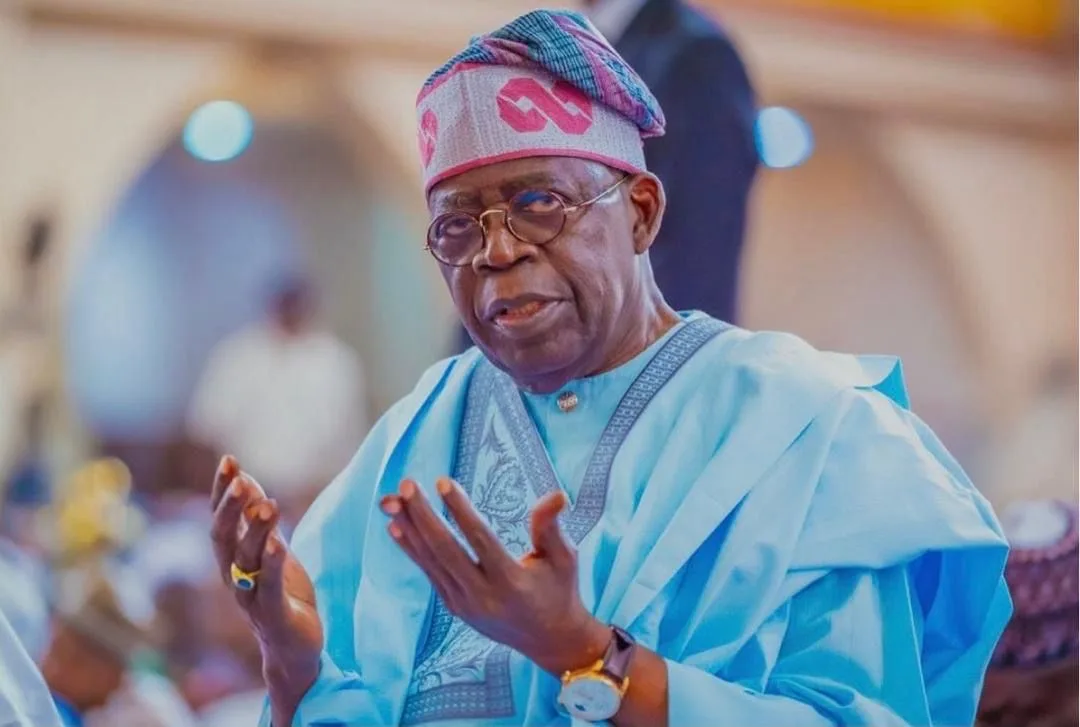
President Bola Ahmed Tinubu has defended the economic reforms introduced by his administration, stating that the measures were necessary to prevent Nigeria from sliding into fiscal collapse and long-term economic instability.
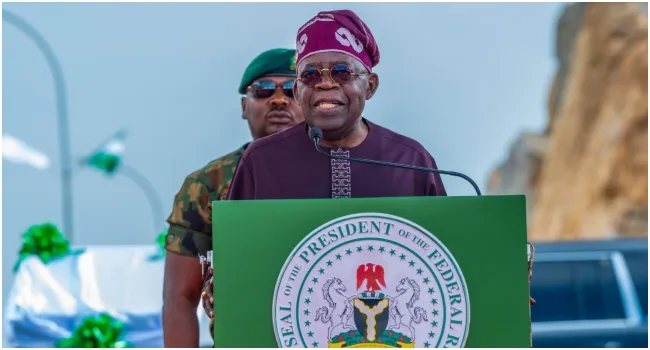
In a nationwide broadcast marking the third anniversary of his administration, the President said his government inherited severe economic and structural challenges, including unsustainable fuel subsidies, exchange rate distortions, mounting debt obligations, declining revenues, and widespread insecurity.
Tinubu said difficult decisions taken since assuming office on May 29, 2023, were aimed at stabilising public finances, restoring investor confidence, and repositioning the economy for sustainable growth.
“My fellow Nigerians, history tests nations before it elevates them. Nigeria is passing through such a test. But I believe with all my heart that we shall emerge stronger, fairer, more united, and more prosperous than ever before,” the President said.
According to him, the continuation of the fuel subsidy regime would have severely constrained government spending on critical sectors such as infrastructure, education, healthcare, and housing. He disclosed that Nigeria spent more than ₦4 trillion on fuel subsidies in 2022 alone, with daily costs reaching about ₦18.4 billion.
Related Posts:


The President also criticised the multiple exchange-rate system previously in place, arguing that it encouraged speculation and cost the country trillions of naira in economic losses.
While acknowledging the hardship caused by the reforms, particularly rising living costs and inflationary pressures, Tinubu maintained that the policies were necessary to avert a deeper crisis.
“Had we refused to act, our nation would have drifted toward fiscal breakdown, worsening poverty, and severe economic uncertainty,” he said.
Highlighting achievements recorded under the reforms, the President pointed to growth in the Nigerian capital market, improvements in investor confidence, ongoing infrastructure projects, increased local refining capacity, and renewed investments in the oil and gas sector.
He revealed that more than 2,700 kilometres of roads and highways are currently under construction, rehabilitation, or reconstruction across the country, while rail modernisation projects are progressing in several regions.
Tinubu also cited interventions in agriculture, housing, healthcare, education, and telecommunications as part of broader efforts to strengthen economic recovery and improve citizens’ welfare. He noted that the Nigerian Education Loan Fund (NELFUND) has provided financial support to more than 1.5 million students, with over ₦282 billion disbursed.
On security, the President said military and security agencies have intensified operations against terrorists, bandits, kidnappers, and other criminal groups, resulting in improved safety in several communities and transport corridors.
Although he admitted that many challenges remain, Tinubu said the foundations for long-term recovery have been laid and pledged that the next phase of governance would focus on ensuring that the benefits of the reforms are felt more directly by Nigerians through lower food prices, reduced transportation costs, and expanded employment opportunities.
He also called on citizens to remain united and committed to national development, stressing that sustainable prosperity can only be achieved through collective effort and inclusive growth.