


Minister of Finance and Coordinating Minister of the Economy, Taiwo Oyedele, has defended the borrowing record of the Tinubu administration, insisting that the Federal Government has not borrowed between ₦75 trillion and ₦80 trillion as widely claimed.
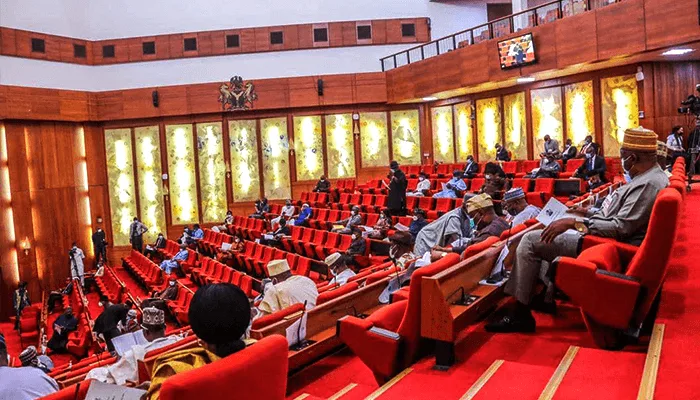
Speaking during a four hour interactive session with the Senate Committee on Finance chaired by Senator Sani Musa, Oyedele said the sharp increase in Nigeria’s public debt was largely driven by the revaluation of existing foreign debts following the depreciation of the naira, the securitisation of inherited Ways and Means advances, and the refinancing of maturing debts rather than fresh borrowing.
According to him, more than ₦40 trillion of the increase in the debt stock resulted from exchange rate adjustments, while another ₦33 trillion came from the securitisation of inherited Ways and Means liabilities. He added that the administration had not drawn even half of the external borrowing approved by the National Assembly and explained that much of the domestic borrowing was for refinancing existing obligations.
Oyedele also disclosed that the Federal Government generated ₦21.6 trillion in tax revenue between January and June 2026, representing a 49 per cent increase over the corresponding period of last year. He attributed the growth to ongoing tax reforms, digitalisation of revenue administration and improved compliance.
The minister said Nigeria’s economy had made significant progress over the past three years, with Gross Domestic Product growing by 3.8 per cent in the first quarter of 2026, external reserves rising above 51 billion dollars, and inflation beginning to moderate through coordinated fiscal and monetary policies.
Related Posts:


He further defended the government’s tax incentives and import duty waivers, saying they support food imports, pharmaceuticals, manufacturing, compressed natural gas equipment, electric vehicles and military hardware, while helping to reduce the cost of goods and services.
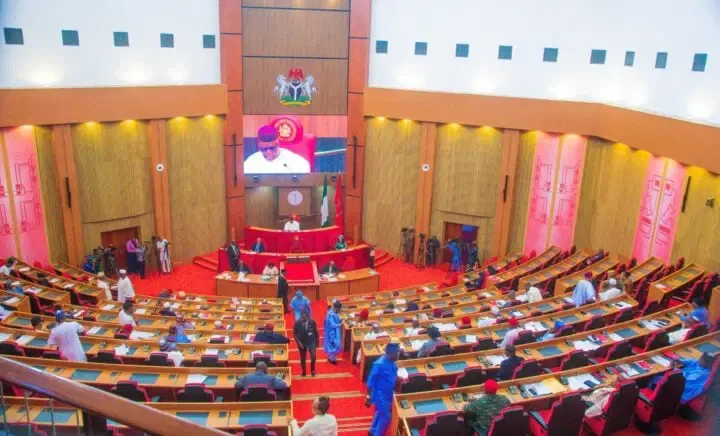
Chairman of the Senate Committee on Finance, Senator Sani Musa, described the engagement as one of the most comprehensive between the National Assembly and the nation’s economic management team. He said the committee would scrutinise the country’s debt sustainability, review the use of import duty waivers and push for reforms to the national budgeting framework.
Senate Chief Whip, Tahir Monguno, questioned why improved revenue generation had not translated into better implementation of successive budgets, expressing concern that capital releases to critical sectors, including security, remained poor despite increased government revenue.
Senator Adamu Aliero also called for greater public clarification on the country’s debt profile and expressed concern over the pace of budget implementation, while acknowledging ongoing infrastructure projects across the country.
The Senate Committee resolved to sustain oversight of public finances, debt management and fiscal reforms to promote greater accountability in government expenditure.