The Senate has defended the passage of the Constitution of the Federal Republic of Nigeria (Alteration) (State Police) Bill, 2026, insisting that the proposed amendment is a response to the country’s growing security challenges and not a politically motivated initiative. In a statement issued by the Directorate of Media and Public Affairs of the Leader […]
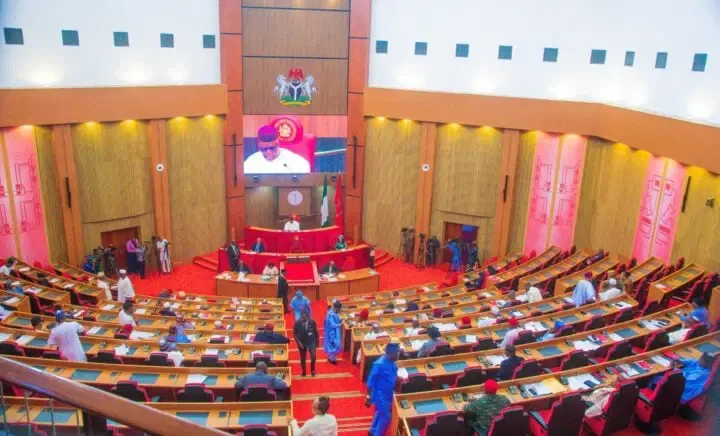
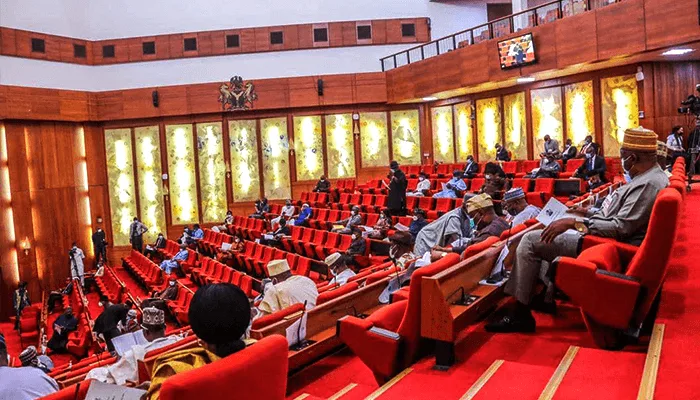
The Senate has defended the passage of the Constitution of the Federal Republic of Nigeria (Alteration) (State Police) Bill, 2026, insisting that the proposed amendment is a response to the country’s growing security challenges and not a politically motivated initiative.
In a statement issued by the Directorate of Media and Public Affairs of the Leader of the Senate, Senator Opeyemi Bamidele described the bill as “a child of necessity and not of political expediency,” noting that it emerged from broad national consultations and years of constitutional review.
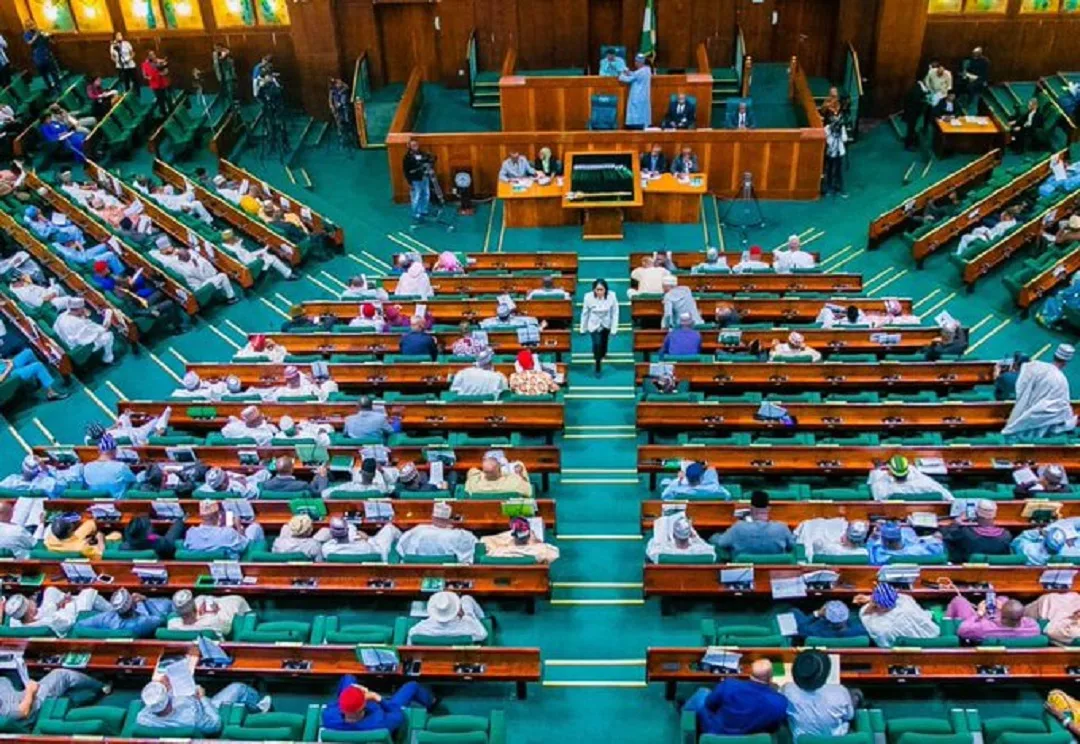
The bill, which was passed by the House of Representatives on June 11 and by the Senate on June 24, seeks to establish a dual policing structure in Nigeria comprising the Federal Police Service and State Police Services.
Bamidele said the proposal had become an urgent national priority in view of the country’s worsening security situation and should not be overshadowed by political considerations.
According to him, public hearings conducted across the six geopolitical zones in July 2025 received overwhelming support for state policing, while key stakeholders, including the Executive, the Nigerian Governors’ Forum, the Conference of Speakers of State Legislatures and the leadership of the Nigeria Police, were extensively consulted during the process.
He added that several recommendations by the Nigeria Police were incorporated into the bill to strengthen accountability and oversight mechanisms and guard against abuse by political office holders.
The Senate Leader disclosed that 84 of the 109 senators voted in favour of the bill during clause-by-clause consideration, representing a 77.06 per cent approval rate.
He stressed that security should transcend partisan politics, urging opposition parties to contribute constructive ideas that would strengthen national peace and stability.
The proposed constitutional amendment has now been transmitted to the 36 State Houses of Assembly, where it requires the approval of at least 24 state legislatures before it can be forwarded to President Bola Tinubu for assent.
If ratified, state police services will be responsible for local law enforcement and public safety, while the Federal Police will retain responsibility for national security, terrorism, cybercrime and interstate offences. The bill also provides safeguards against political interference through legislative oversight and the establishment of State Police Service Commissions.
ADBN TV is a dynamic digital broadcasting platform committed to delivering credible news, inspiring stories, and engaging programmes that inform, educate, and connect communities across Nigeria and beyond.