US President Donald Trump has intensified his attacks on the American electoral system, calling on Republicans to “nationalize” voting and shift control of elections from states to the federal government, remarks that have reignited constitutional concerns ahead of the November midterm elections. Speaking during a podcast interview this week, Trump urged his Republican Party to […]
Share This Article:
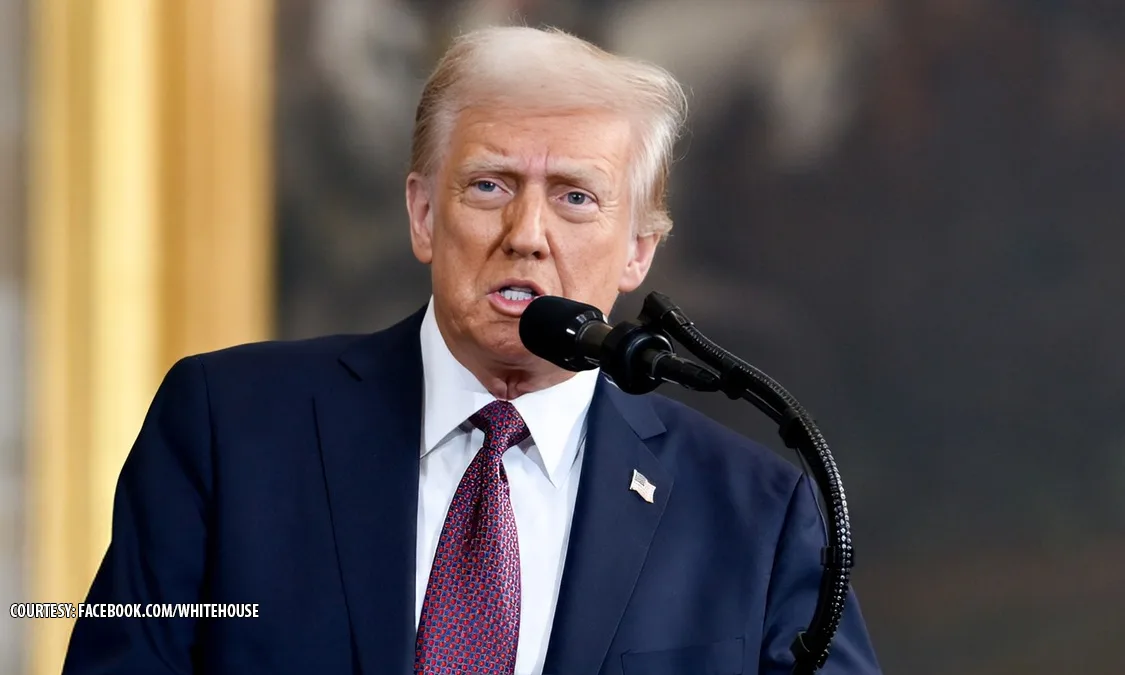
US President Donald Trump has intensified his attacks on the American electoral system, calling on Republicans to “nationalize” voting and shift control of elections from states to the federal government, remarks that have reignited constitutional concerns ahead of the November midterm elections.
Speaking during a podcast interview this week, Trump urged his Republican Party to take over the administration of elections in several states, repeating long-discredited claims of widespread voter fraud.
“The Republicans should say, ‘We want to take over. We should take over the voting in at least — many, 15 places.’ The Republicans ought to nationalize the voting,” Trump said.
The comments, which drew swift criticism from Democrats and civil rights groups, come as Republicans face the prospect of losing control of Congress in the November 3 midterms, amid declining approval ratings for Trump and recent electoral setbacks at the local level.
Trump, who continues to reject the outcome of the 2020 presidential election won by former President Joe Biden, defended his position during remarks at the White House, questioning why the federal government does not already play a greater role in conducting elections.
He further claimed in a television interview that some parts of the country were “extremely corrupt,” adding that if elections “can’t be done properly and timely, then something else has to happen.”
Legal experts have warned that Trump’s proposal directly conflicts with the US Constitution, which assigns primary responsibility for running elections to individual states.
“The Constitution clearly says that states are the ones that do the running of elections. There is no debate about this,” said Justin Levitt, a professor of law who has previously served in Democratic administrations. He explained that the system reflects both the size of the country and long-standing safeguards against centralised abuse of power.
Despite the legal barriers, Trump has remained unapologetic, reiterating his claim that the 2020 election was “rigged,” a position repeatedly rejected by US courts.
“It was a rigged election. Everybody now knows that,” he told world leaders earlier this year, adding that prosecutions would follow, without providing evidence.
In recent weeks, Trump’s administration has taken controversial steps linked to his election claims, including federal investigations into voting materials in several states and legal actions seeking access to voting records. Critics say the moves risk undermining confidence in the democratic process ahead of the midterms.
Legal scholars have described the actions as part of a broader strategy to cast doubt on upcoming elections. “At worst, it suggests he may try to use the federal government to interfere in how states run elections,” said Rick Hasen, a law professor, urging civil society groups to remain vigilant.
Civil rights organisations have also raised alarm. The National Association for the Advancement of Colored People (NAACP) accused the administration of engaging in “unconstitutional antics” aimed at wearing down public resistance and weakening electoral protections.
Concerns have deepened following remarks by some of Trump’s allies suggesting the use of law enforcement at polling stations. Steve Bannon, a prominent supporter of the president, said immigration officers would be deployed around polling units during the election, a statement that has further fueled fears of voter intimidation.
As the midterms approach, Trump’s rhetoric and actions are expected to intensify scrutiny of the balance between federal authority, state rights and the integrity of the US democratic system.
ADBN TV is a dynamic digital broadcasting platform committed to delivering credible news, inspiring stories, and engaging programmes that inform, educate, and connect communities across Nigeria and beyond.