Stakeholders in Nigeria’s oil and gas sector have called for stronger governance safeguards, improved regulatory compliance and increased incentives for methane abatement to reduce emissions and protect communities, particularly in the Niger Delta and Lagos. The call was made at a stakeholders’ engagement and validation workshop on Methane Abatement Financing in Nigeria, organised by Policy […]
Stakeholders in Nigeria’s oil and gas sector have called for stronger governance safeguards, improved regulatory compliance and increased incentives for methane abatement to reduce emissions and protect communities, particularly in the Niger Delta and Lagos.
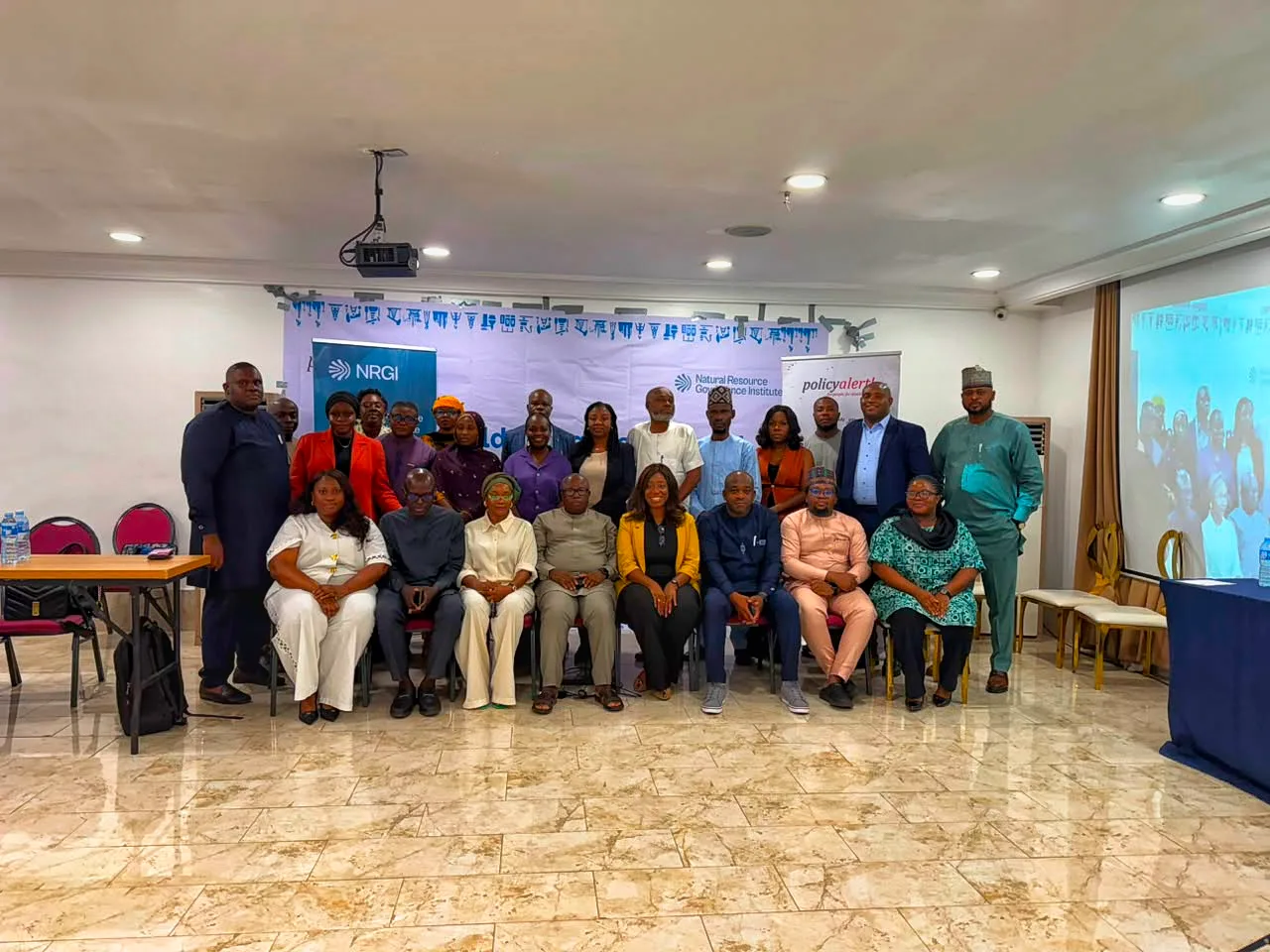
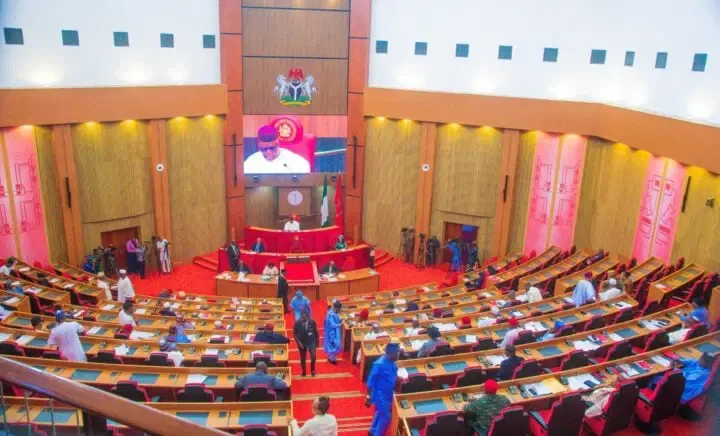
The call was made at a stakeholders’ engagement and validation workshop on Methane Abatement Financing in Nigeria, organised by Policy Alert and the Natural Resource Governance Institute, NRGI, in Abuja.
The workshop focused on developing an actionable roadmap for reducing methane emissions, improving financial transparency and strengthening disclosure around methane-related revenues and expenditure.
Organisers stressed the need for better alignment of government policies and improved coordination among regulatory agencies, including the Nigerian Upstream Petroleum Regulatory Commission, NUPRC, and the Nigerian Midstream and Downstream Petroleum Regulatory Authority, NMDPRA.
They also called for a clearer connection between gas flaring penalties and measurable methane reduction outcomes.
During discussions and presentation of findings, regulators and community stakeholders recommended transparent and judicious management of environmental remediation funds and the development of viable decarbonisation projects that can attract climate financing.
Participants also highlighted the need for stronger monitoring, accountability and regulatory enforcement to ensure that funds generated from environmental penalties contribute directly to reducing emissions and improving conditions in affected communities.
The workshop brought together representatives of Policy Alert, NRGI, NUPRC, NMDPRA and other stakeholders from the oil and gas sector, civil society and affected communities.
ADBN TV is a dynamic digital broadcasting platform committed to delivering credible news, inspiring stories, and engaging programmes that inform, educate, and connect communities across Nigeria and beyond.