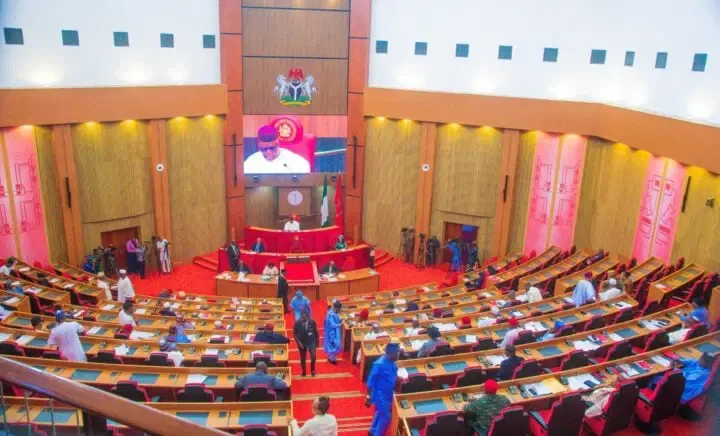
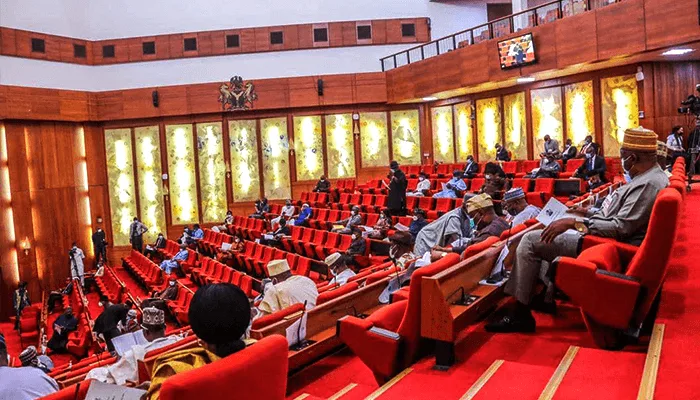
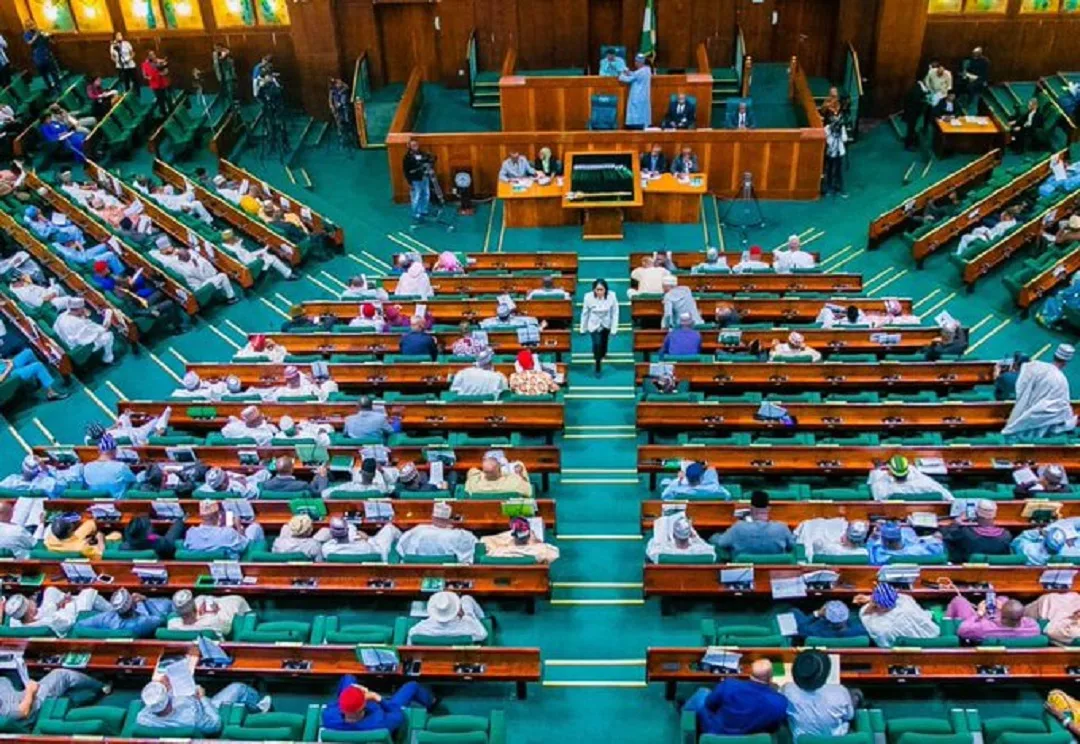
The Senate has approved a fresh three-month extension for the implementation of the capital component of the 2025 Appropriation Act, shifting the deadline from June 30, 2026, to September 30, 2026. The decision followed the adoption of a motion sponsored by Senate Chief Whip, , during plenary. The latest extension marks the third granted by […]
The Senate has approved a fresh three-month extension for the implementation of the capital component of the 2025 Appropriation Act, shifting the deadline from June 30, 2026, to September 30, 2026.
The decision followed the adoption of a motion sponsored by Senate Chief Whip, , during plenary.
The latest extension marks the third granted by the National Assembly for the 2025 capital budget. The implementation period was initially extended from December 31, 2025, to March 31, 2026, and later to June 30, 2026.
With the new deadline, ministries, departments, and agencies (MDAs) will have additional time to complete ongoing projects, settle outstanding payments, and meet contractual obligations tied to projects captured in the 2025 budget.
Leading debate on the motion, Monguno said the extension became necessary because a significant portion of released funds had yet to be utilised due to procurement processes, project execution challenges, and administrative delays.
He noted that several strategic projects across critical sectors of the economy were already at advanced stages and required more time for completion, certification, and payment.
According to him, allowing the implementation window to expire could lead to the abandonment of important projects, waste public resources already committed to them, and disrupt ongoing government interventions.
Chairman of the Senate Committee on Appropriations, , who seconded the motion, said numerous obligations under the capital budget remained outstanding despite ongoing payments.
He recalled that President had earlier informed the National Assembly that only part of the outstanding capital commitments would be accommodated through a rollover arrangement, with the balance reflected in the 2026 budget framework.
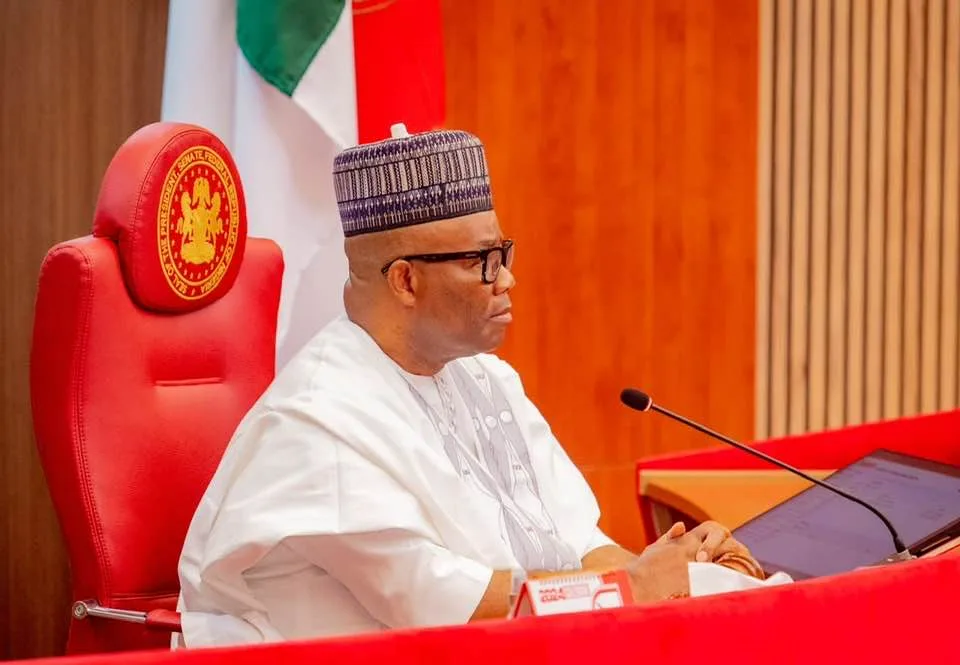
Senate President said the extension was necessary to ensure effective budget implementation and prudent management of public resources.
He expressed confidence that the additional three-month window would enable the government to settle outstanding commitments while ensuring continuity in project execution.
The latest extension highlights ongoing implementation challenges associated with federal capital budgets and reflects efforts to prevent project abandonment amid fiscal and administrative constraints.
ADBN TV is a dynamic digital broadcasting platform committed to delivering credible news, inspiring stories, and engaging programmes that inform, educate, and connect communities across Nigeria and beyond.