Former Labour Party presidential candidate, Peter Obi, has argued that Nigeria’s worsening economic condition stems from poor management of borrowed funds rather than the country’s rising debt profile. In a statement shared on his X handle on Tuesday, Obi maintained that borrowing in itself is not harmful if funds are properly invested to drive productivity […]
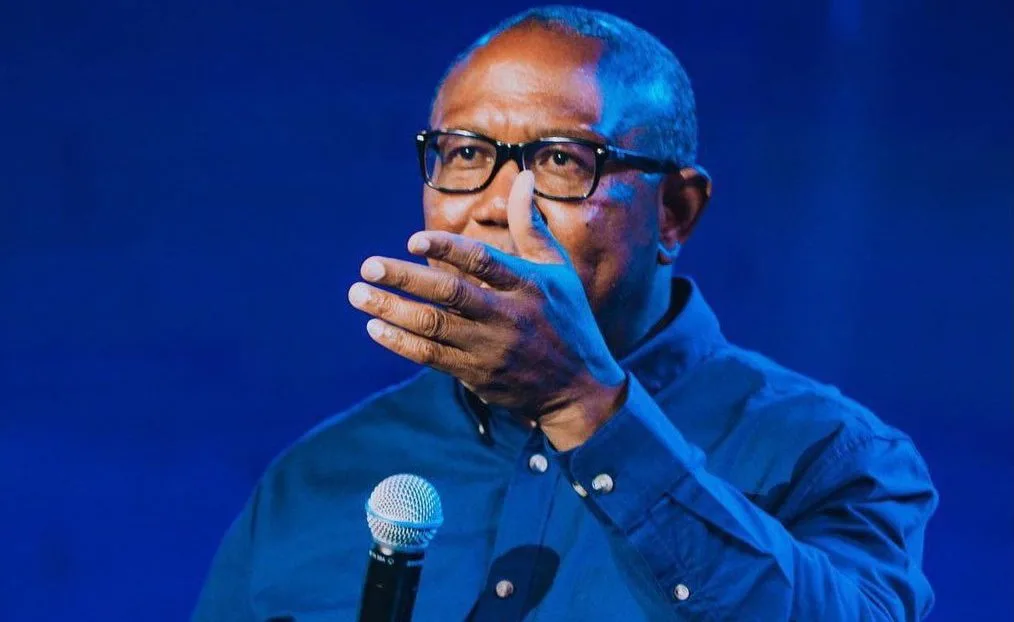
Former Labour Party presidential candidate, Peter Obi, has argued that Nigeria’s worsening economic condition stems from poor management of borrowed funds rather than the country’s rising debt profile.
In a statement shared on his X handle on Tuesday, Obi maintained that borrowing in itself is not harmful if funds are properly invested to drive productivity and economic growth.
Citing recent data from the World Bank, Obi said Nigeria is currently ranked as the world’s third-largest debtor with obligations estimated at $18.7 billion, behind Bangladesh, which reportedly owes $23 billion.
“Borrowing is not inherently wrong. Nations borrow to improve productivity and stimulate growth. Debt becomes a problem only when it finances consumption, inefficiency, or corruption rather than investment, as is the case in Nigeria,” Obi stated.
Drawing comparisons with Bangladesh, Obi noted that around 2015, the Asian country had a Gross Domestic Product (GDP) of about $195 billion and a per capita income of approximately $1,235. According to him, by 2024–2025, Bangladesh’s GDP had expanded to between $460 billion and $500 billion, with per capita income rising to about $2,700, driven largely by investments in manufacturing, textiles, energy, and human capital development.
He contrasted this with Nigeria’s economic trajectory, stating that the country’s GDP declined from $490 billion in 2015 to below $250 billion in recent years, while per capita income dropped to between $850 and $1,000.
Obi attributed Nigeria’s decline to weak productivity growth, currency instability, structural inefficiencies, and corruption.
“The contrast is clear. One country borrowed and expanded production, exports, and incomes. The other borrowed but saw declining economic strength and living standards,” he said.
He emphasised that loans channelled into infrastructure, industry, and human development can stimulate growth, whereas borrowing used for consumption and plagued by leakages worsens stagnation.
Obi concluded by expressing optimism about the country’s future, stating that a Nigeria where borrowed funds translate into measurable productivity and economic expansion remains achievable.
Meanwhile, data from the Debt Management Office indicates that Nigeria’s total public debt rose to N153.29 trillion as of September 30, 2025, reflecting continued increases in both domestic and external borrowings.
ADBN TV is a dynamic digital broadcasting platform committed to delivering credible news, inspiring stories, and engaging programmes that inform, educate, and connect communities across Nigeria and beyond.