Nigeria is edging closer to the establishment of state police, with the constitutional framework required for its implementation nearing completion, according to the Presidency. The development follows months of consultations involving the Presidency, the National Assembly, and security agencies aimed at strengthening the country’s security architecture. Chief of Staff to the President, Femi Gbajabiamila, disclosed […]
Nigeria is edging closer to the establishment of state police, with the constitutional framework required for its implementation nearing completion, according to the Presidency.
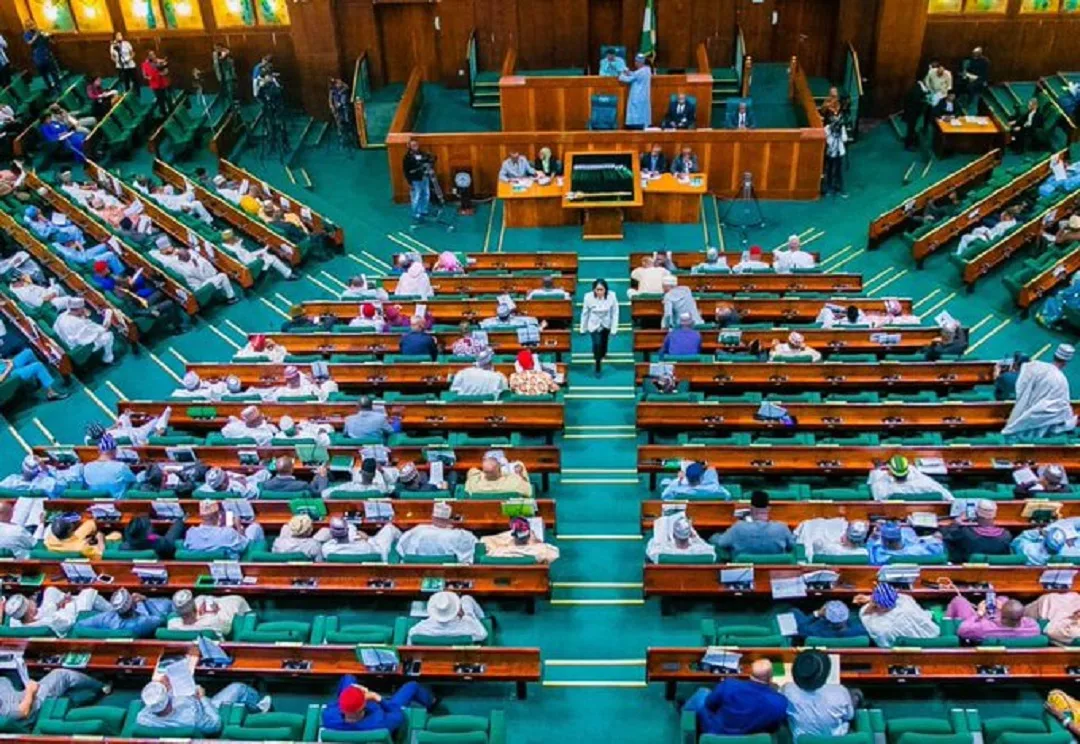
The development follows months of consultations involving the Presidency, the National Assembly, and security agencies aimed at strengthening the country’s security architecture.
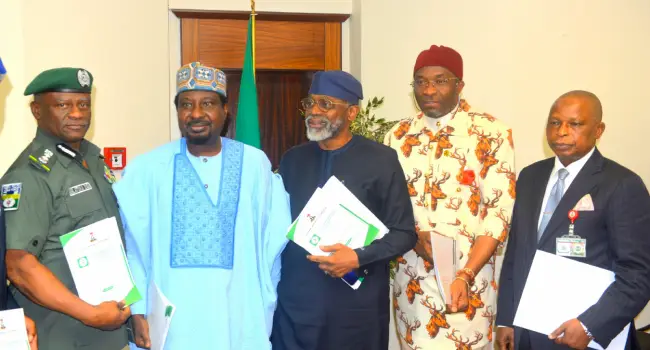
Chief of Staff to the President, Femi Gbajabiamila, disclosed this after a consultative meeting on state police held at the State House in Abuja.
Gbajabiamila said discussions on the proposed framework began several months ago following a directive from President Bola Ahmed Tinubu, adding that significant progress has been made toward achieving the required constitutional amendments.
According to him, the immediate focus is on amending relevant sections of the Constitution, while enabling legislation for the operation of state police will follow.
He noted that national discourse has shifted from debating whether state police should exist to determining the most effective legal and institutional structure for its implementation.
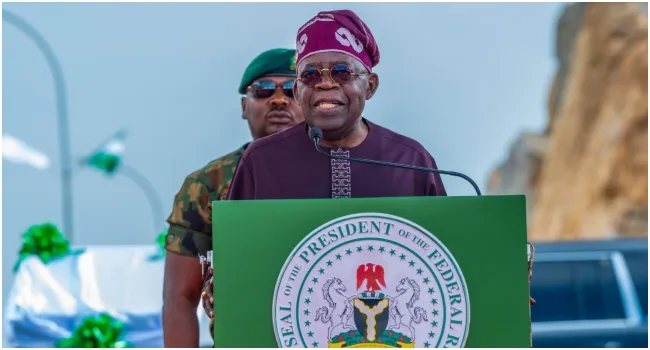
The Chief of Staff also revealed that a comprehensive report from the consultations will be presented to the President, who has consistently advocated for decentralised policing as a strategy to address insecurity.
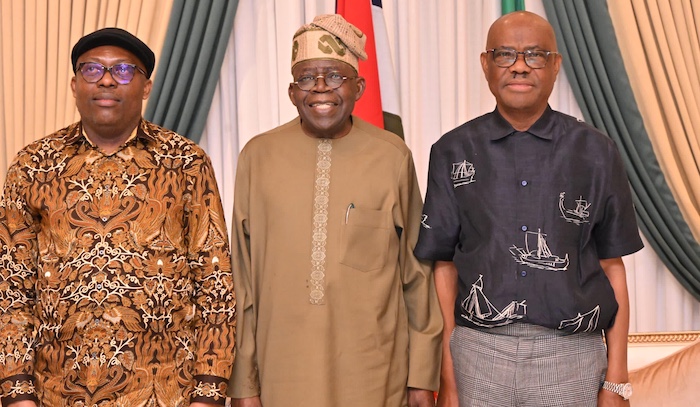
The meeting was attended by key government officials, including Deputy Senate President Jibrin Barau, Deputy Speaker Benjamin Kalu, Inspector-General of Police Tunji Disu, and other stakeholders.
The push for state police comes amid growing calls for reforms to Nigeria’s security system, with proponents arguing that decentralised policing would enhance local intelligence gathering, improve community security, and enable faster responses to emerging threats.
However, concerns remain over issues such as funding, oversight, and the potential for political interference at the state level.
The renewed efforts also come against the backdrop of rising insecurity and recurring incidents of kidnapping and violent attacks across parts of the country.
ADBN TV is a dynamic digital broadcasting platform committed to delivering credible news, inspiring stories, and engaging programmes that inform, educate, and connect communities across Nigeria and beyond.