Iran has accused the United States of spreading what it described as “big lies” about its missile programme, nuclear ambitions and internal unrest, following recent remarks by US President Donald Trump. In a statement posted on X, Iran’s Foreign Ministry spokesperson, Esmaeil Baqaei, rejected US claims regarding Tehran’s nuclear programme, ballistic missile capabilities and reported […]
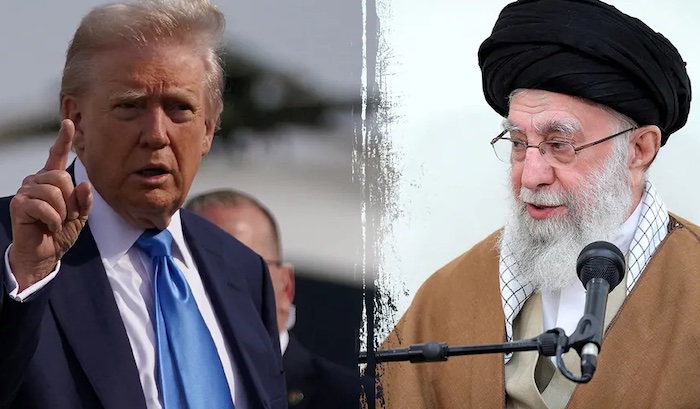
Iran has accused the United States of spreading what it described as “big lies” about its missile programme, nuclear ambitions and internal unrest, following recent remarks by US President Donald Trump.
In a statement posted on X, Iran’s Foreign Ministry spokesperson, Esmaeil Baqaei, rejected US claims regarding Tehran’s nuclear programme, ballistic missile capabilities and reported casualties during January’s unrest.
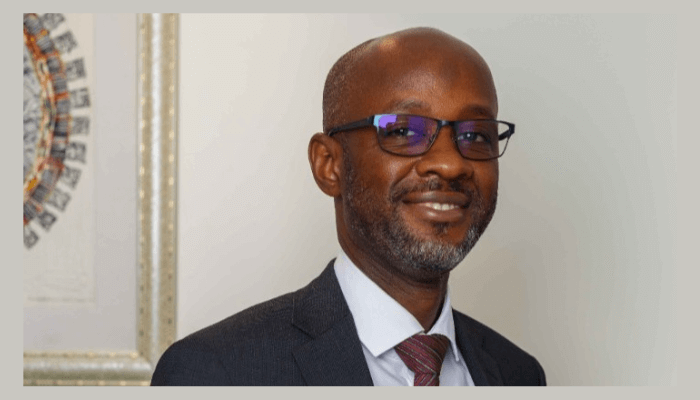
“Whatever they’re alleging in regards to Iran’s nuclear programme, Iran’s ballistic missiles, and the number of casualties during January’s unrest, is simply the repetition of ‘big lies’,” Baqaei said.
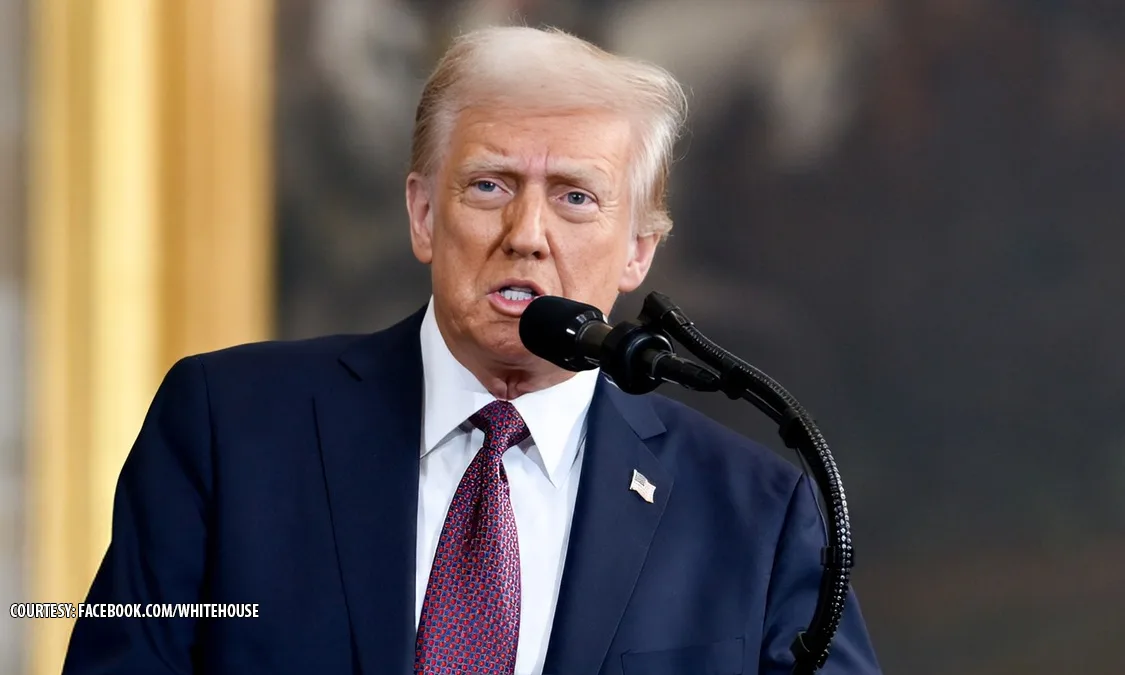
During his State of the Union address, President Trump claimed that Iran had developed missiles capable of threatening Europe and US bases overseas, and was working toward expanding that reach. He also described Iran as “the world’s number one sponsor of terror” and alleged that tens of thousands of protesters were killed during recent unrest.
While stressing a preference for diplomacy, Trump said the United States had yet to hear assurances from Tehran that it would not pursue nuclear weapons. His remarks come amid heightened military deployments in the Middle East, raising concerns about escalating tensions.
Iranian officials maintain that uranium enrichment is a sovereign right and deny seeking nuclear weapons. Mohammad Bagher Qalibaf, Speaker of Iran’s parliament, stated that Tehran remains open to negotiations provided its national dignity and mutual interests are respected. However, he warned that any military action would be met with a firm response.
The third round of indirect US-Iran nuclear talks is scheduled to hold in Geneva, with mediation by Oman. The talks are expected to involve US envoys and Iranian representatives as both sides seek to ease tensions and prevent further escalation.
Analysts say the sharp rhetoric on both sides, coupled with military posturing, could complicate diplomatic efforts at a critical stage in negotiations. Observers warn that failure to make progress in Geneva may deepen mistrust and increase instability in the region.
ADBN TV is a dynamic digital broadcasting platform committed to delivering credible news, inspiring stories, and engaging programmes that inform, educate, and connect communities across Nigeria and beyond.