Leaders of the opposition African Democratic Congress (ADC) and New Nigeria Peoples Party (NNPP) on Thursday intensified pressure on the National Assembly, demanding an immediate amendment of the Electoral Act 2026, which they described as anti-democratic and skewed ahead of the 2027 general elections. However, the Senate dismissed the agitation, advising opposition figures to pursue […]
Share This Article:
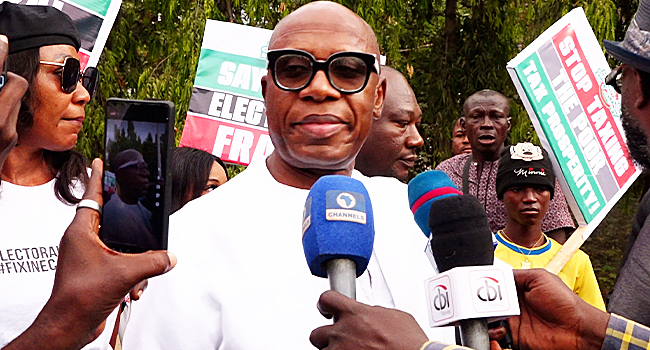
Leaders of the opposition African Democratic Congress (ADC) and New Nigeria Peoples Party (NNPP) on Thursday intensified pressure on the National Assembly, demanding an immediate amendment of the Electoral Act 2026, which they described as anti-democratic and skewed ahead of the 2027 general elections.
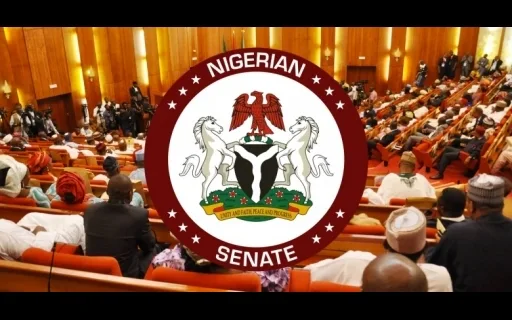
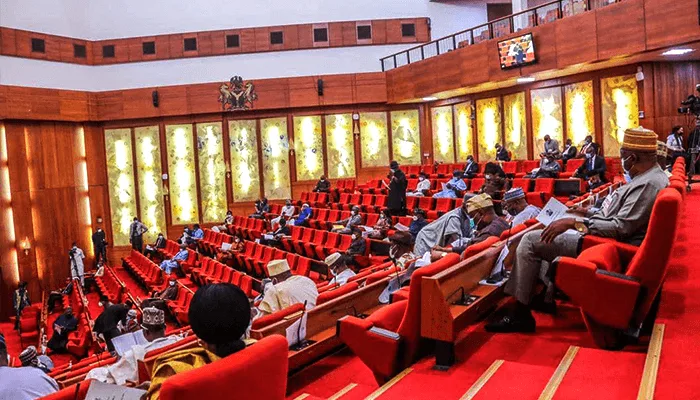
However, the Senate dismissed the agitation, advising opposition figures to pursue their concerns through the legislative process.
Speaking at a press conference in Abuja, NNPP National Chairman, Ajuji Ahmed, criticised key provisions of the new law, which was recently signed by Bola Tinubu. He argued that certain clauses, particularly amendments to Section 60(3), grant excessive discretionary powers to presiding officers and weaken the framework for electronic transmission of results.
Ahmed maintained that Nigeria’s telecommunications infrastructure is sufficient for real-time transmission of election results, citing data from the Nigerian Communications Commission. He rejected claims that network challenges justify flexibility in result transmission, describing such arguments as unfounded.
The opposition also faulted amendments to Section 84 of the Act, which limit political parties to direct primaries and consensus arrangements, excluding indirect primaries. They argued that this provision infringes on party autonomy and internal democracy.
On the broader political climate, Peter Obi raised concerns over rising poverty, insecurity, and economic hardship, accusing the Federal Government of heavy borrowing without commensurate development outcomes.
Similarly, Rotimi Amaechi urged the opposition to focus on strengthening its strategy ahead of 2027, noting that political organisation, not rhetoric, would determine electoral success.
Atiku Abubakar warned that any erosion of democracy in Nigeria could have ripple effects across Africa, calling for unity among opposition parties to safeguard democratic institutions.
Other opposition figures in attendance included ADC National Chairman David Mark, Rauf Aregbesola, Bolaji Abdullahi, Senator Dino Melaye, Ralph Nwosu, and former Cross River State Governor Liyel Imoke.
Senate Reacts
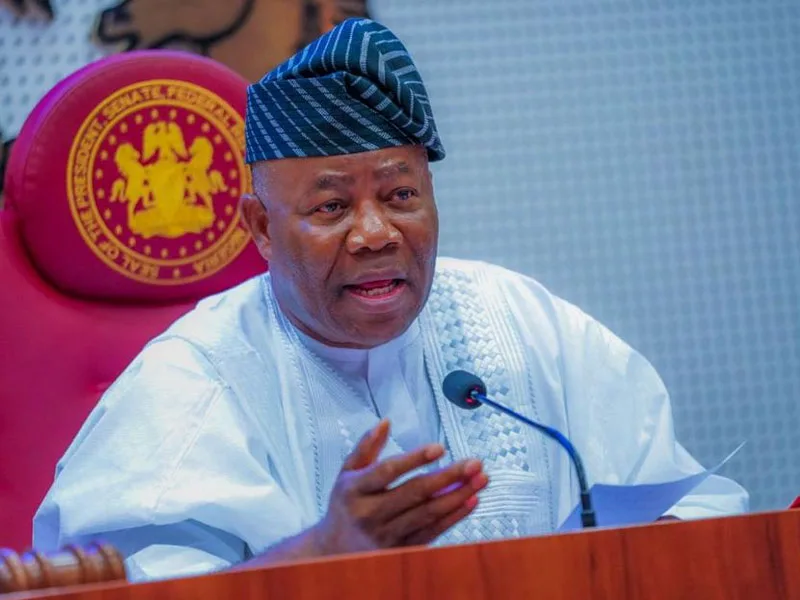
Reacting to the demands, Senate spokesman Yemi Adaramodu dismissed calls for a fresh amendment, stating that the proper channel for any proposed changes remains the National Assembly.
“Once they bring it to the National Assembly, we will look at it,” he said, urging opposition leaders to work through their legislators.
Chairman of the Senate Committee on South-East Development Commission, Orji Uzor Kalu, also maintained that the power to amend the Electoral Act rests solely with the legislature. He cautioned against inflammatory rhetoric and advised opposition parties to focus on contesting the 2027 elections if dissatisfied with the current administration.
The exchange highlights growing political tension as stakeholders position themselves ahead of the 2027 general elections, with debates over electoral reforms likely to shape the pre-election landscape.
ADBN TV is a dynamic digital broadcasting platform committed to delivering credible news, inspiring stories, and engaging programmes that inform, educate, and connect communities across Nigeria and beyond.