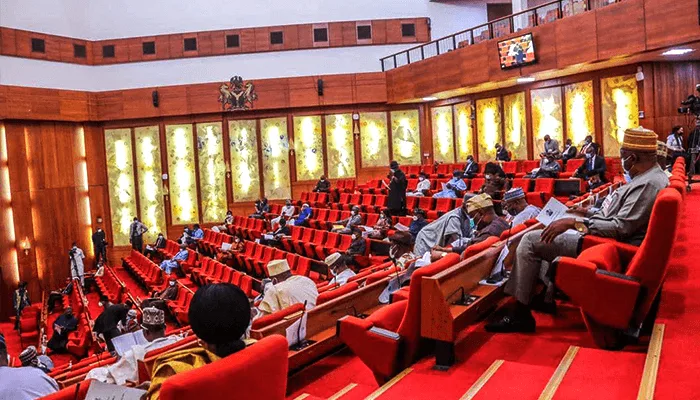
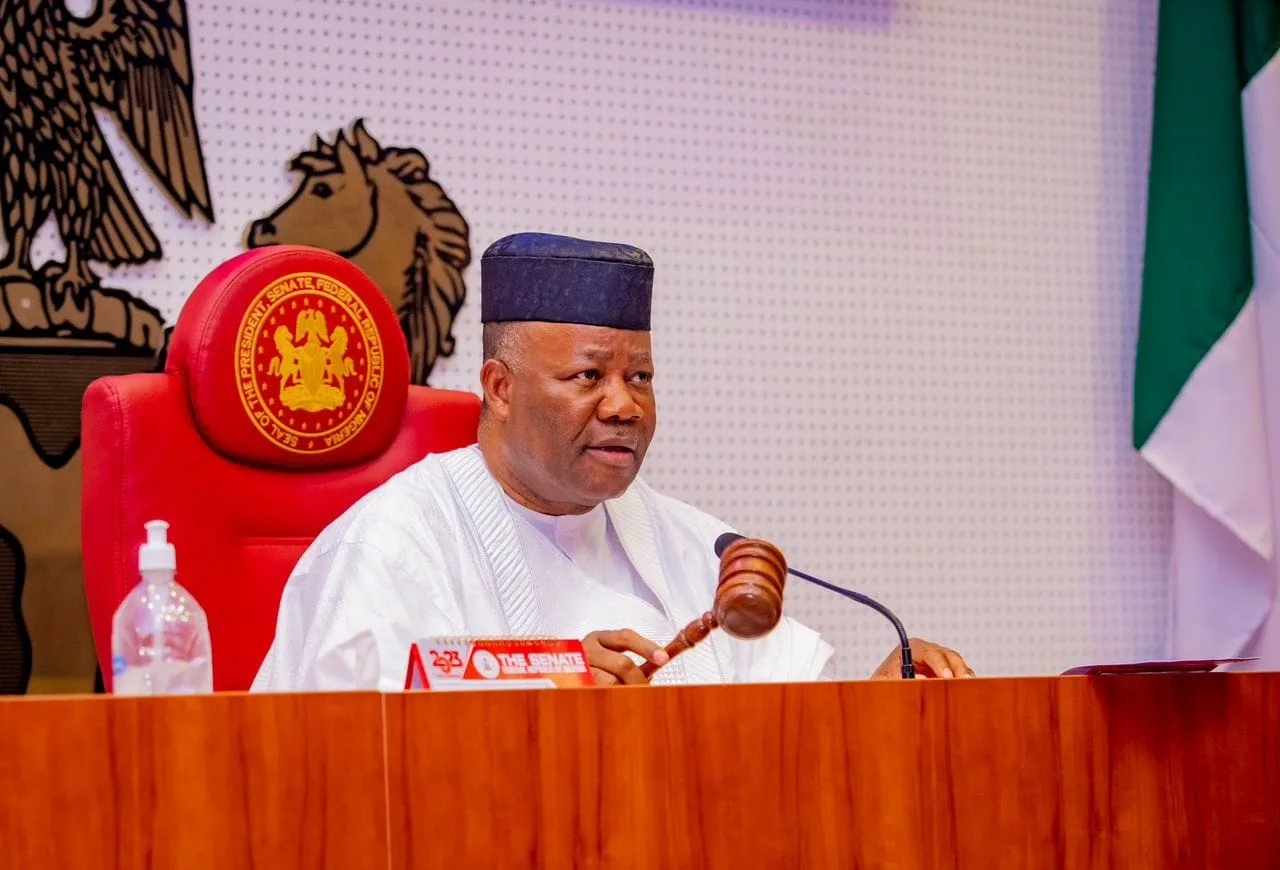
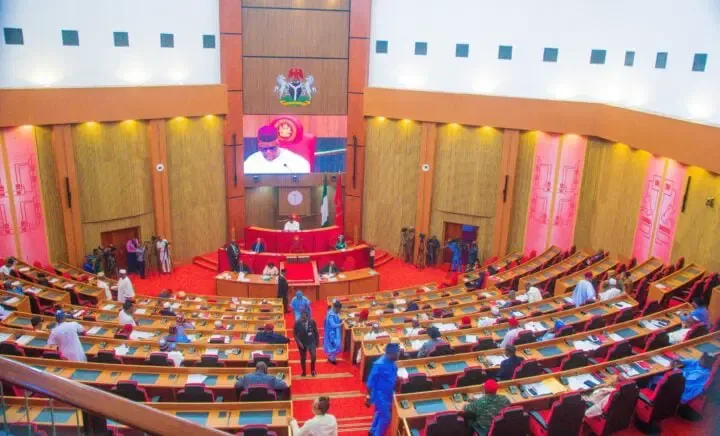
The National Assembly is expected to transmit the State Police Constitution Alteration Bill to President Bola Tinubu for assent this week, following approval by 32 state Houses of Assembly. Senate Leader, Opeyemi Bamidele, confirmed the development, saying the constitutional threshold required for the establishment of state police had been met. In a statement issued by […]
The National Assembly is expected to transmit the State Police Constitution Alteration Bill to President Bola Tinubu for assent this week, following approval by 32 state Houses of Assembly.
Senate Leader, Opeyemi Bamidele, confirmed the development, saying the constitutional threshold required for the establishment of state police had been met.
In a statement issued by his Media Office, Bamidele said the National Assembly was now obligated to forward the bill to the President, describing the development as a major step towards reforming Nigeria’s policing system and addressing security challenges.
He disclosed that the four remaining state assemblies were expected to submit their reports before the National Assembly resumes on November 17, 2026. However, he maintained that their outstanding reports would not prevent the legislature from proceeding, as the required two-thirds approval under Section 9(2) of the 1999 Constitution had already been secured.
Bamidele said the proposed amendment provides for the establishment of both a Federal Police Service and State Police Services. He described it as the outcome of more than 15 years of attempts to reform Nigeria’s centralised policing structure.
He also dismissed concerns that state police could lead to the creation of ethnic or state-controlled armies, insisting that the proposal would promote community-based policing within clearly defined constitutional safeguards.
According to him, the reform is intended to make policing more responsive to the security challenges facing different communities across the country, particularly amid persistent cases of terrorism, banditry, kidnapping and other violent crimes.
However, details of the final bill have yet to be made available to the public, leaving questions about its proposed structure, funding, oversight and operational safeguards.
Bamidele made the remarks while receiving The Sun Senator of the Year Award at the weekend. He also defended the legislative record of the 10th National Assembly, saying the effectiveness of parliament should be measured by the impact of its laws on citizens rather than simply the number of bills passed.
He cited several legislative interventions, including the Student Loan Act, the National Social Investment Programmes Act, the Minimum Wage Amendment Act, the Tax Reform Acts and the Electoral Act.
On the student loan scheme, Bamidele disclosed that the Nigerian Education Loan Fund had disbursed more than ₦204 billion to beneficiaries across 89 colleges, 108 polytechnics and 126 universities nationwide.
He said the scheme had helped reduce student dropouts by providing interest-free loans to students who might otherwise struggle to finance their education.
The Senate Leader also called for greater responsibility in the use of social media, warning that misinformation, character assassination and blackmail could undermine democratic institutions and national stability.
While acknowledging the importance of press freedom and an open society, he urged media organisations and other stakeholders to address the spread of false information on digital platforms.
ADBN TV is a dynamic digital broadcasting platform committed to delivering credible news, inspiring stories, and engaging programmes that inform, educate, and connect communities across Nigeria and beyond.