The Nigeria Police Force has said it will not disclose details of the recent United States military strikes against terrorists in Sokoto State, despite being aware of the operation. The Force Public Relations Officer, Benjamin Hundeyin, stated this on Tuesday during Channels Television’s Politics Today, saying the police possess information about the strikes but have […]
The Nigeria Police Force has said it will not disclose details of the recent United States military strikes against terrorists in Sokoto State, despite being aware of the operation.
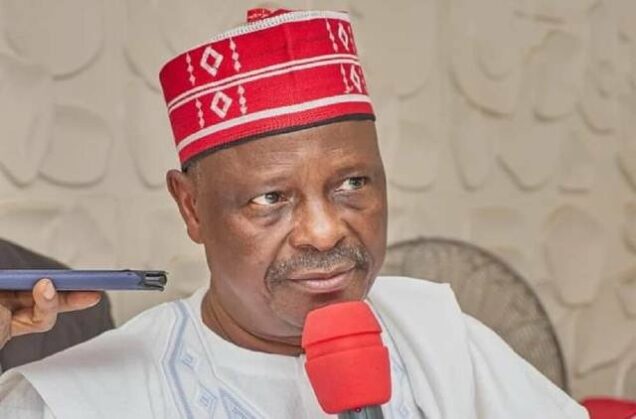
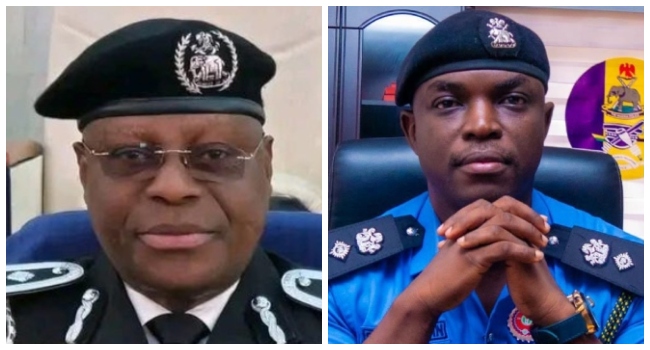
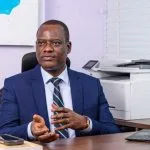
The Force Public Relations Officer, Benjamin Hundeyin, stated this on Tuesday during Channels Television’s Politics Today, saying the police possess information about the strikes but have chosen not to make it public.
“We engage a lot in intelligence gathering, not just intelligence sharing. As the Police Force, we know certain things about the strikes, but we don’t want to talk about them. We decline to talk about that particular operation,” Hundeyin said.
He explained that while there was cooperation among security agencies, the matter remained within the purview of the defence authorities.
“There was a cooperation, but we would rather leave it as a defence matter that the defence would talk about,” he added.
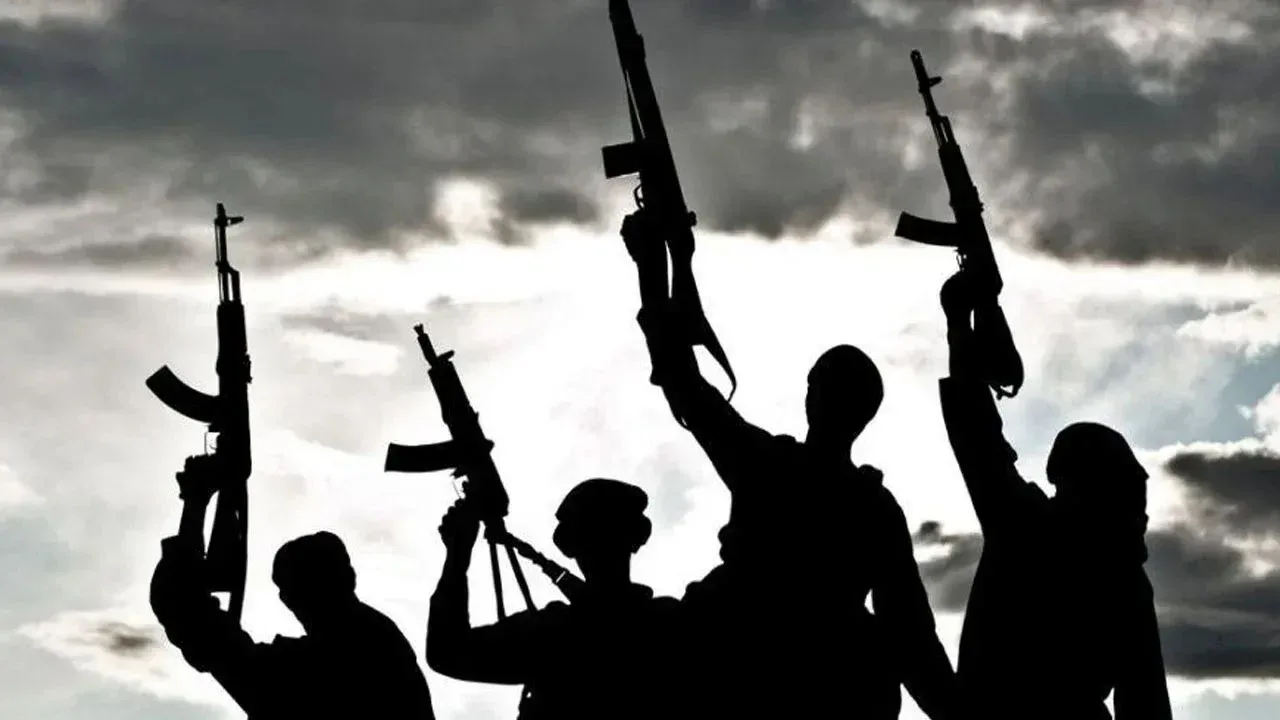
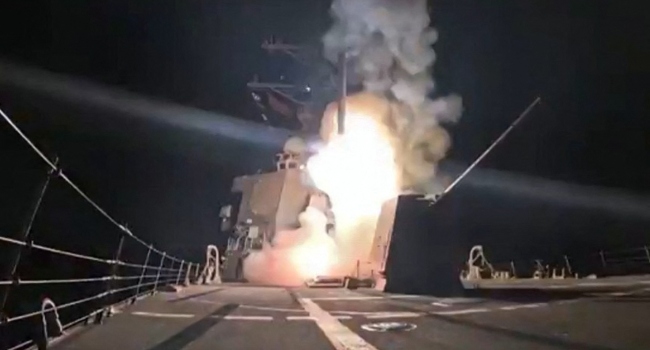
The comments followed US airstrikes carried out on December 25, 2025, against terrorist targets in Sokoto State. The United States Department of Defense said the operation resulted in the killing of “multiple ISIS terrorists” and was conducted at the request of the Nigerian government.
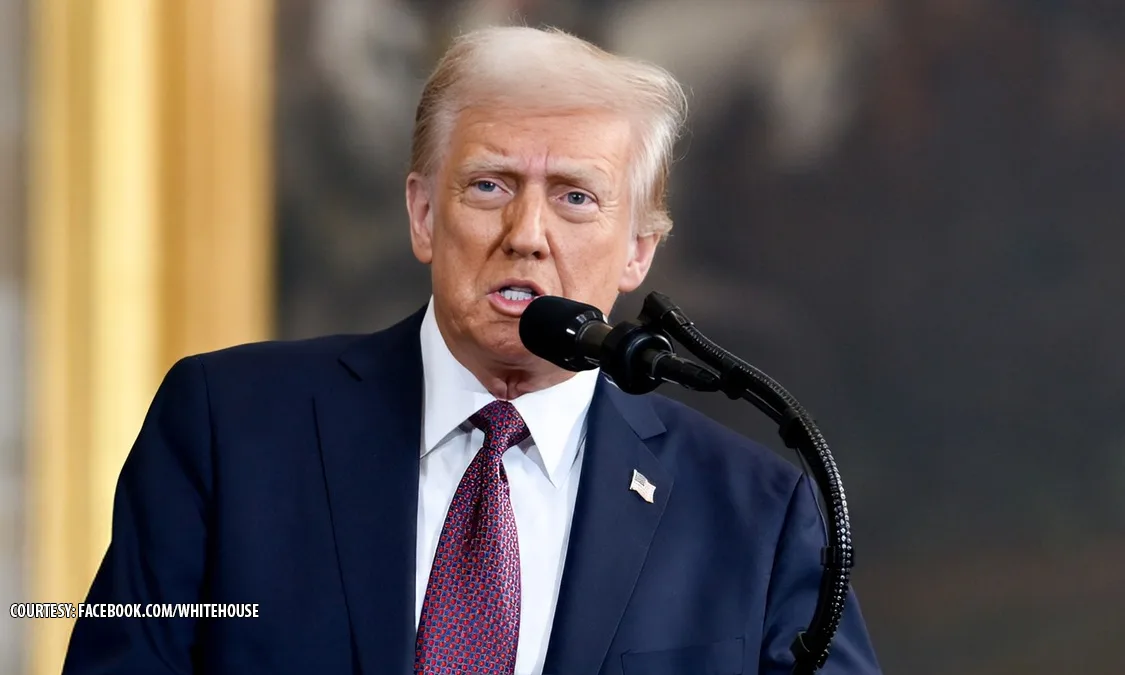
US President Donald Trump announced the strikes on his Truth Social platform, describing them as “powerful and deadly” and warning that further action could follow if attacks against Christians in Nigeria continued.
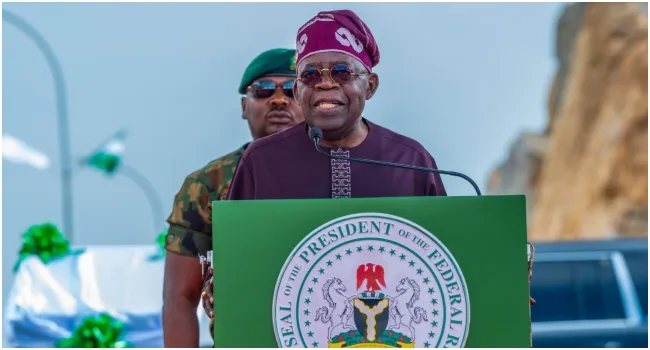
The Nigerian government later confirmed that the operation was approved by President Bola Tinubu and described it as a joint security effort. The Minister of Foreign Affairs, Yusuf Tuggar, said the operation was not targeted at any religion and stressed that Nigeria, as a multi-religious country, was working with partners like the United States to combat terrorism and protect lives and property.
The strikes came amid heightened international attention following Trump’s claims that Christians in Nigeria were facing an existential threat. The Federal Government, however, rejected allegations of genocide, insisting that insecurity in the country affects communities across religious and ethnic lines.
ADBN TV is a dynamic digital broadcasting platform committed to delivering credible news, inspiring stories, and engaging programmes that inform, educate, and connect communities across Nigeria and beyond.