Researchers investigating a boat-shaped formation in eastern Turkey say new drilling and soil analysis have produced findings that warrant further investigation into claims that the site could be linked to Noah’s Ark. The investigation focuses on the Durupınar formation near Mount Ararat, a roughly 538-foot-long structure first identified in 1959. The site has attracted decades […]
Researchers investigating a boat-shaped formation in eastern Turkey say new drilling and soil analysis have produced findings that warrant further investigation into claims that the site could be linked to Noah’s Ark.
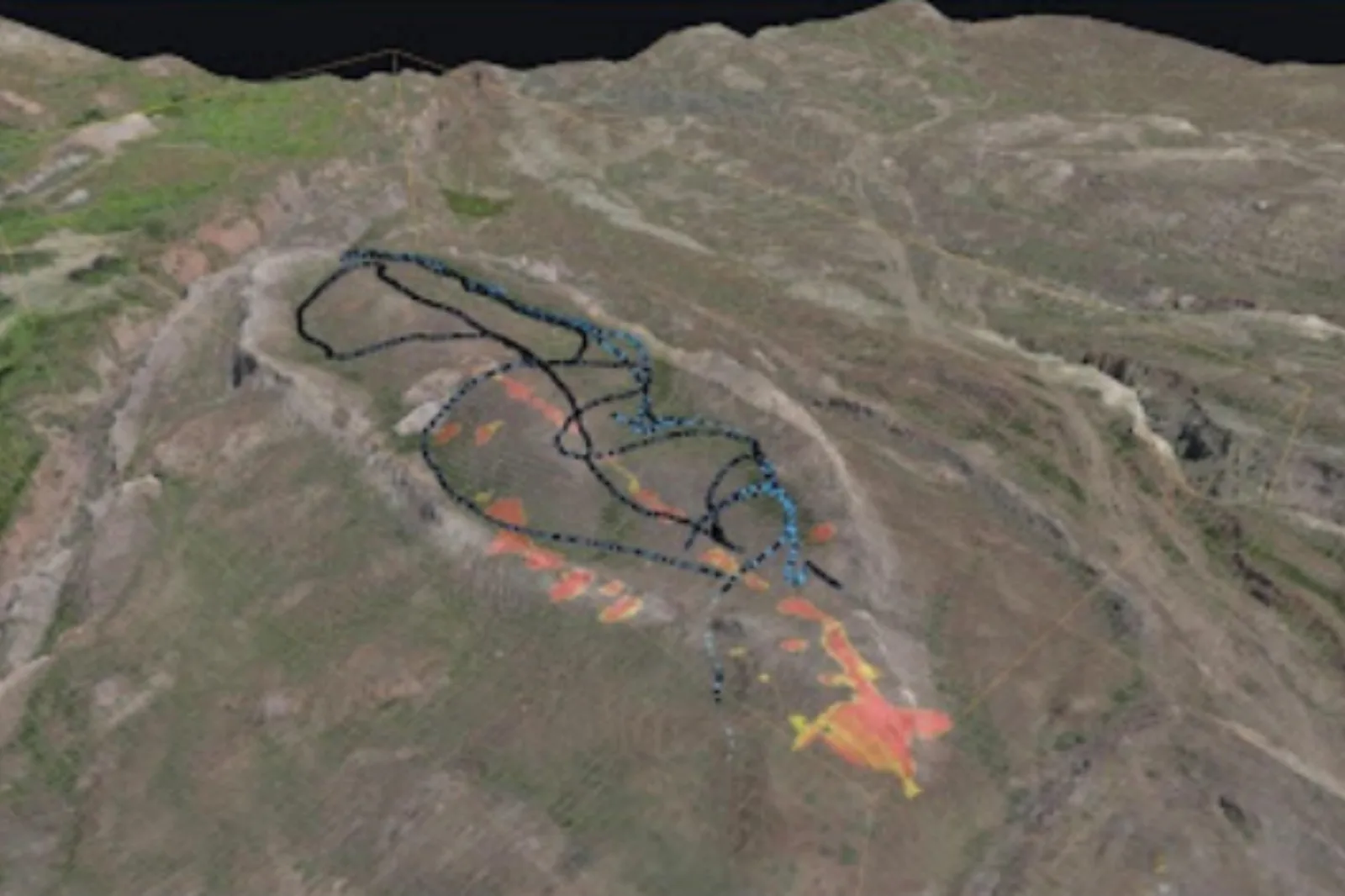
The investigation focuses on the Durupınar formation near Mount Ararat, a roughly 538-foot-long structure first identified in 1959. The site has attracted decades of speculation, although previous geological studies concluded that it is a natural rock formation.
Researchers from the Noah’s Ark Research Project, supported by Ağrı İbrahim Çeçen University, collected more than 300 soil samples from inside and outside the formation and conducted drilling to depths exceeding 60 feet in some areas.
The team says the drilling did not encounter the continuous solid bedrock some critics of the Ark theory expected. Researchers instead reported finding mainly soil, including deposits of dark, rich material within the formation.
The samples will undergo further laboratory testing to determine their organic content and whether they contain evidence of human activity or materials that could be associated with decayed wood.
Researchers say earlier sampling in 2024 found about three times more organic matter inside the formation than outside, alongside differences in potassium levels and soil pH.
However, the investigation remains inconclusive. A 1996 geological study concluded that the Durupınar formation was a natural rock structure, while pottery fragments discovered in the surrounding area were found beside, rather than inside, the formation.
The research team says laboratory analysis will be needed to determine whether the latest findings have a natural geological explanation or provide further evidence supporting claims about the site.
ADBN TV is a dynamic digital broadcasting platform committed to delivering credible news, inspiring stories, and engaging programmes that inform, educate, and connect communities across Nigeria and beyond.