



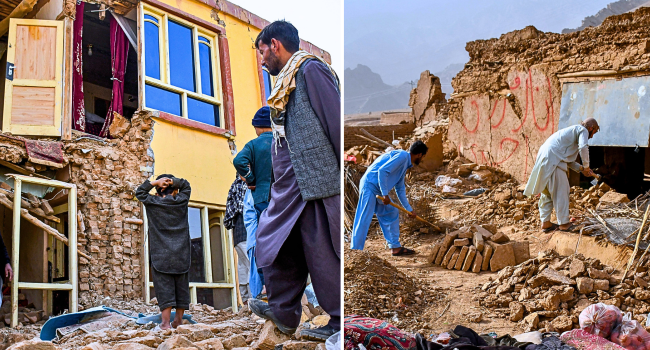
At least 20 people have been killed and more than 500 injured after a powerful 6.3-magnitude earthquake struck northern Afghanistan overnight, the latest in a series of devastating tremors to hit the country in recent years.
According to the U.S. Geological Survey (USGS), the quake occurred at a depth of 28 kilometres, with its epicentre near the city of Mazar-i-Sharif in Balkh Province.
“Based on the information we have so far, 534 people have been injured and more than 20 fatalities have been taken to hospitals in Samangan and Balkh provinces,” Health Ministry spokesman Sharafat Zaman told reporters.
Residents in Mazar-i-Sharif were seen rushing into the streets as buildings shook violently, while parts of the city’s iconic 15th-century Blue Mosque — known for its striking turquoise tiles — were damaged, with pieces from one of its minarets scattered across the compound.
Poor infrastructure and communication networks in Afghanistan’s mountainous regions have complicated rescue efforts, with authorities struggling to reach remote areas to assess the full extent of the damage.
Related Posts:

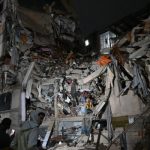

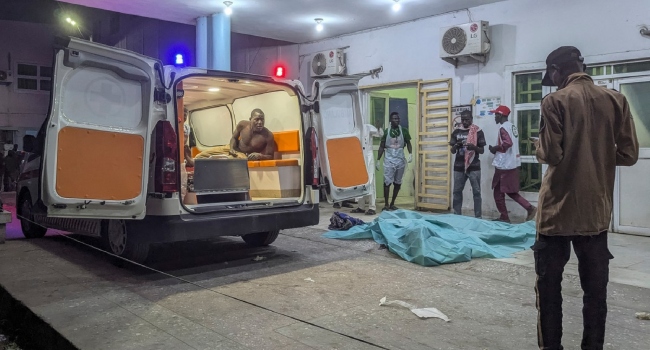
The Taliban authorities confirmed “numerous homes have been destroyed” and “significant material losses incurred,” according to Hamdullah Fitrat, deputy spokesman for the regime.
The Defence Ministry said it had reopened the main highway linking Mazar-i-Sharif and Kholm and rescued several stranded travellers.
This disaster follows a 6.0-magnitude quake in August that killed over 2,200 people and caused an estimated $183 million in damage, according to the World Bank.
Afghanistan, located near the Hindu Kush fault line, is highly prone to seismic activity. The country has suffered multiple deadly quakes in recent years, including in Herat (2023) and Nangarhar (2022), each destroying thousands of homes.
The latest disaster comes amid a worsening humanitarian crisis marked by food shortages, drought, economic sanctions, and mass deportations of Afghan refugees from neighbouring Iran and Pakistan.
International aid agencies have renewed calls for urgent humanitarian assistance, warning that millions face hunger and displacement as the country struggles to recover from overlapping crises.