Home Blog Page 17

Abiodun Ajiboye: Nigeria Cannot Afford Electronic Voting, Infrastructure Not Ready

0

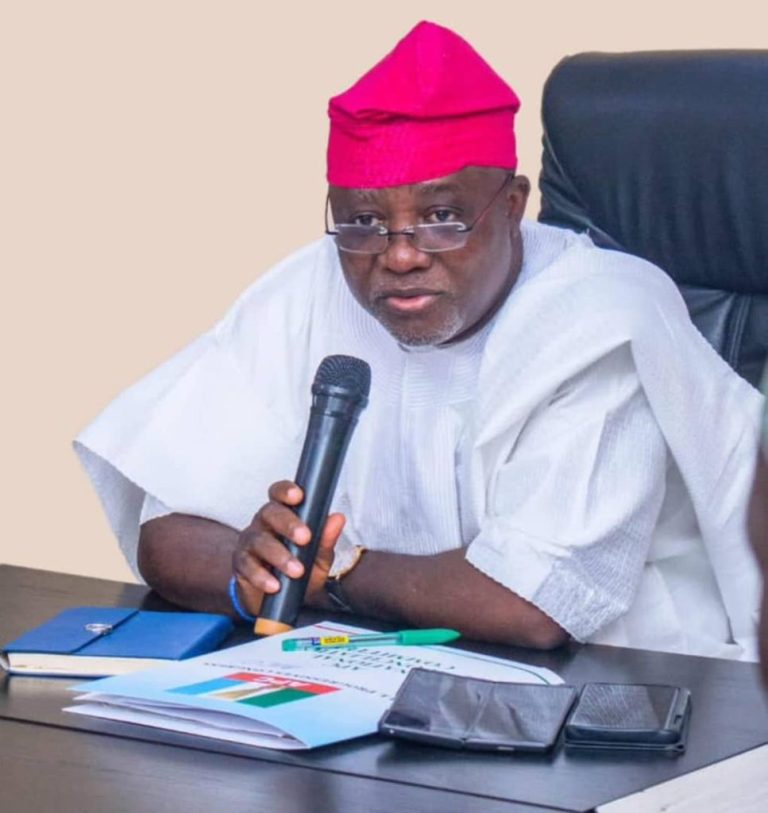
The Executive Secretary of the National Institute of Cultural Orientation (NICO), Mr Abiodun Ajiboye, has said Nigeria currently lacks the capacity and infrastructure to implement electronic voting or real-time electronic transmission of election results.

Ajiboye made the assertion on Monday while reacting to the ongoing national debate over proposed amendments to the Electoral Act, particularly the push for electronic transmission of results.

According to him, Nigeria’s existing electoral process, which is largely manual, cannot be seamlessly integrated with real-time electronic transmission without exposing the system to serious risks.

“Transmitting election results electronically is tied to the manner of voting. If voting is done manually and results are collated manually, how do you then transmit results electronically in real time? It is not possible. We cannot even afford it. Even if we wish to, we simply cannot afford it,” he said.

Ajiboye questioned the readiness of Nigeria’s critical infrastructure to support such a process, citing challenges in telecommunications, electricity supply and cybersecurity.

“Do the telecom operators have that capability? Do we have enough electricity across the country to support this responsibility? Is the infrastructure of telecom companies sufficient to undertake such an exercise?” he asked.

He recalled that during the last general election, the Independent National Electoral Commission’s (INEC) server was reportedly subjected to over a million cyberattacks, warning that pushing for full electronic transmission could expose Nigeria’s electoral process to manipulation and confusion.

“What is being pushed is to place the entire electoral process within the vulnerability of hijackers. That will only cause chaos,” Ajiboye said.

He explained that while elections have manual components, existing safeguards already provide room for transparency.

“You vote, the votes are counted at the polling unit, party agents append their signatures on the result sheets, and those documents can then be scanned and transmitted by any acceptable means,” he stated.

Insisting that Nigeria is not technologically prepared for electronic voting or real-time transmission, Ajiboye said capability, not ambition, should guide policy decisions.

“A man can only do what he is capable of. We do not have the capability to do electronic voting or real-time transmission at this time,” he said.

He also dismissed comparisons with advanced democracies, noting that even the United States does not rely on real-time electronic transmission of election results.

“America does not even do real-time transmission. Some rural communities in Nigeria do not have telecom coverage. Some do not have electricity. By pushing for what is not possible, you are disenfranchising a large segment of Nigerians,” he warned.

Ajiboye cautioned against what he described as pressure on the National Assembly to adopt reforms that could create more problems than solutions.

“Stop stampeding the Senate and the National Assembly into something that will put everyone in a mess at the end of the day,” he added.

On his role at the National Institute of Cultural Orientation, Ajiboye said the agency plays a distinct role in nation-building and should not be merged with other institutions.

He explained that NICO was established to promote cultural identity, pride and national cohesion.

“A man without a cultural identity is a man without a future. A nation without a cultural identity is a nation without a future,” he said.

According to him, the institute conducts research, public lectures and cultural orientation programmes, and is working towards establishing a Nigerian Academy for Cultural Studies in Ogbomoso.

Speaking on the Federal Government’s plan to merge overlapping agencies, Ajiboye said the process was being handled by the National Assembly through consultations and justification sessions.

“There is a committee of the National Assembly overseeing this. Agencies have been invited to justify their existence, and the process is ongoing,” he said.

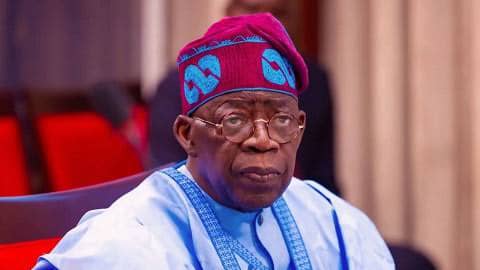
He expressed confidence in President Bola Ahmed Tinubu’s commitment to reforms, saying the president would leave no stone unturned in actions aimed at building a better Nigeria.
Akpabio Convenes Emergency Senate Sitting Over Electoral Act Amid Public Backlash

0

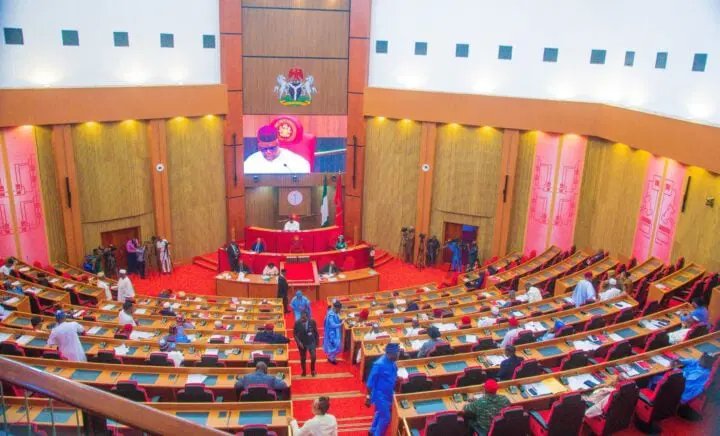
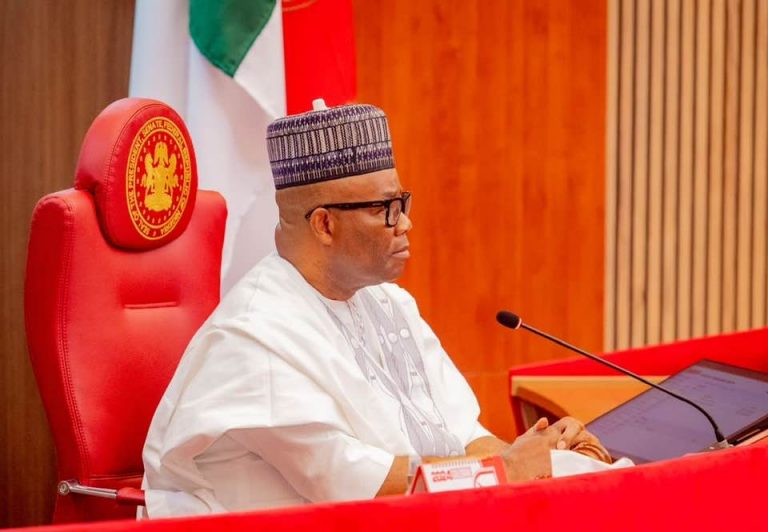
Senate President, Godswill Akpabio, has summoned an emergency sitting of the Senate for Tuesday, February 9, 2026, as mounting public backlash continues to trail recent amendments to the Electoral Act, particularly the rejection of mandatory electronic transmission of election results.

The extraordinary session is widely seen as an attempt by the leadership of the Red Chamber to fast-track legislative processes surrounding the controversial Electoral Act Amendments Bill, amid intense pressure from civil society groups, labour unions, and prominent political figures.

A statement issued on Sunday by the Clerk of the Senate, Emmanuel Odo, directed all senators to reconvene for the sitting, which is scheduled to commence at noon. Although the notice did not explicitly state the reason for the sudden recall, checks by ADBN TV revealed that the emergency plenary is primarily aimed at approving the Votes and Proceedings of the Senate’s last sitting.

This procedural step is considered crucial, as it will clear the way for the conference committee on the Electoral Act amendments to formally begin its work.

A ranking senator and principal officer of the Senate, who confirmed the development on condition of anonymity, disclosed that lawmakers had already received a circular from the presiding officer.

“We have been formally asked to reconvene on Tuesday to approve the Votes and Proceedings of our last legislative sitting. This is necessary to allow the conference committee to commence work on the Electoral Act Amendments Bill,” the senator said.

He further hinted that the emergency sitting could initially be held behind closed doors, given the growing political tension surrounding the issue of electronic transmission of election results.

“It is most likely that there will be an executive session before the main business of the day. The issue of electronic transmission of results has already generated serious tension within and outside the National Assembly,” he added.

The emergency recall comes against the backdrop of widespread condemnation of the Senate’s position on electronic transmission of results, which many stakeholders regard as a critical safeguard for electoral transparency and credibility.

Prominent Nigerians, including former Senate President David Mark; human rights lawyer, Mr. Femi Falana, SAN; former Minister of Education, Dr Oby Ezekwesili; political economist, Prof Pat Utomi; former Nigeria Labour Congress (NLC) President, Comrade Ayuba Wabba; Dr Usman Bugaje; Dr Bilikisu Magoro; Ambassador Nkoyo Toyo; Comrade Shehu Sanni; Comrade Ene Obi; and Olawale Okunniyi, have openly criticised the Senate’s decision.

The Nigeria Labour Congress has also weighed in, urging the National Assembly to ensure that the amended Electoral Act provides an unambiguous legal mandate for the Independent National Electoral Commission (INEC) to electronically transmit and collate results from polling units in real time.

According to the NLC, anything short of this would undermine public confidence in the electoral process ahead of the 2027 general elections.

The Senate and the House of Representatives are currently on a two-week recess, during which lawmakers are expected to engage with ministries, departments and agencies (MDAs) over the implementation of the 2026 budget.

However, political observers note that the decision to interrupt the recess underscores the urgency attached by Senate leadership to resolving outstanding issues surrounding the Electoral Act, a law that will fundamentally shape the conduct, credibility and integrity of future elections in Nigeria.

Analysts say Tuesday’s emergency sitting could prove pivotal, as it may determine the final direction of Nigeria’s electoral reforms and set the tone for the next phase of engagement between the National Assembly, the executive arm of government and the Nigerian electorate—especially on the highly contentious issue of electronic transmission of election results.

World Economic Forum Probes CEO Borge Brende Over Jeffrey Epstein Links

0

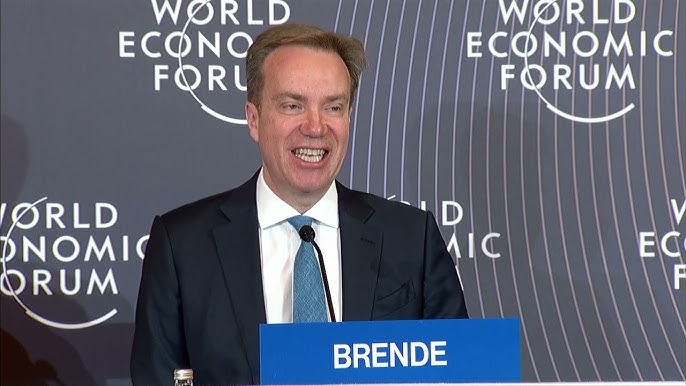
The World Economic Forum (WEF) has launched an independent investigation into its President and Chief Executive Officer, Borge Brende, following disclosures linking him to meetings and communications with convicted sex offender Jeffrey Epstein.

The Geneva-based organisation, best known for convening global political and business leaders at its annual Davos summit, said the probe was initiated after documents released by the United States Department of Justice revealed that Brende attended three business dinners with Epstein and exchanged emails and text messages with him.

In a statement issued on Thursday, the WEF said its Governing Board mandated the Audit and Risk Committee to review the matter, a process that led to the decision to commission an external, independent investigation.

“In light of these interactions, the Governing Board requested the Audit and Risk Committee to look into the matter, which subsequently decided to initiate an independent review,” the organisation said.

“This decision underscores the Forum’s commitment to transparency and maintaining its integrity,” the statement added.

The WEF confirmed that Brende, a former Norwegian foreign minister who has led the organisation since 2017, supports the investigation and personally requested that the matter be independently examined. He will, however, continue in his role while the review is conducted by external legal counsel.

Providing his own account, Brende said his first contact with Epstein occurred in 2018 at a dinner in New York, following an invitation from former Norwegian Deputy Prime Minister Terje Rød-Larsen. He explained that he later attended two similar dinners in 2019, which were also attended by diplomats and business leaders.

According to Brende, those meetings, alongside “a few emails and SMS messages,” represented the full extent of his interaction with Epstein.

“I was completely unaware of Epstein’s past and criminal activities,” Brende said, expressing regret that he had not conducted more extensive background checks before accepting the invitations.

“Had I known about his background, I would have declined the initial invitation to join Rod Larsen and any subsequent dinner invitations or other communications,” he added.

The development places the World Economic Forum under renewed scrutiny, as global institutions continue to confront reputational fallout linked to Epstein’s extensive network of influential figures. Epstein, who was convicted in 2008 for soliciting sex from a minor, died in a New York jail in 2019 while awaiting trial on federal sex-trafficking charges.

For Nigerian policymakers, business leaders and civil society actors who regularly engage with WEF platforms and initiatives, the probe highlights growing global expectations around due diligence, accountability and ethical leadership at the highest levels of international governance.

The WEF said it would make the findings of the independent review known at the appropriate time, stressing that the process is aimed at safeguarding public trust in the organisation and its leadership.

Tinubu Scales Nigeria For Women Programme To 25 Million Beneficiaries Nationwide

President Bola Tinubu has approved the nationwide scale-up of the Nigeria for Women Programme (NFWP), expanding its reach to 25 million women across the country in a major push to deepen women’s economic inclusion, social protection and national development.

The expansion follows the successful pilot phase of the programme in six states, which reached more than one million women. The national rollout introduces the Happy Woman App Platform, a secure digital system designed to connect women to finance, skills acquisition, markets, essential services and government support.

Speaking on Thursday at the Presidential Launch of the Programme Scale-Up at the State House, Abuja, President Tinubu, represented by Vice President Kashim Shettima, said Nigeria’s development aspirations could not be achieved without deliberately placing women at the centre of policy and economic planning.

“A nation that relegates its women is a nation bound for implosion. We have long understood this truth,” Tinubu said.
“That is why this administration has not only placed women at the forefront of decision-making but has also entrusted them with leadership in causes that redeem our national promise. Today stands as proof of that commitment.”

The president stressed that women remain the backbone of Nigeria’s economy, family structure and community resilience, noting that empowering them was not optional but essential for sustainable growth.

“We have set a bold but achievable national ambition: to reach 25 million Nigerian women through this programme,” he said, calling on the World Bank to deepen its financing, technical assistance and innovation partnerships to support the scale-up.

Tinubu added that digital inclusion had become critical to effective governance and service delivery.
“Digital inclusion is no longer optional; it is foundational to national competitiveness and inclusive growth,” he said.

As part of broader social reforms, the president declared 2026 as the “Year of Social Development and Families in Nigeria,” directing all tiers of government to adopt coordinated policies aimed at strengthening family cohesion and social welfare. The declaration followed a Memorandum of Understanding signed during his official visit to Turkey in January, focused on enhancing social development systems.

Tinubu commended the Federal Ministry of Women’s Affairs and Social Development for integrating technology into policy execution and restructuring social development initiatives into a more coherent framework under the Renewed Hope Social Impact Intervention launched in Lafia last year.

He also praised state governors and the Nigeria Governors’ Forum (NGF) for aligning state-level implementation with the federal vision.
“National transformation succeeds when all levels of government move with shared purpose,” he said.

Earlier, the Minister of Women Affairs and Social Development, Hajiya Imaan Sulaiman Ibrahim, described the programme’s scale-up as a historic shift in Nigeria’s development approach, placing women not as passive beneficiaries but as key drivers of economic growth, social stability and democratic progress.

She said the Nigeria for Women Project (NFWP) Scale-Up represents one of the most ambitious social and economic empowerment initiatives ever undertaken in the country. According to her, the first phase of the project successfully addressed harmful social norms and strengthened women’s socio-economic resilience.

Beyond the numbers, Ibrahim noted that the programme had generated clear evidence of the transformative impact of women’s empowerment on households and communities.

She also announced the launch of Nigeria’s Third National Action Plan on United Nations Security Council Resolution 1325 on Women, Peace and Security, positioning Nigeria among a limited number of countries globally to attain that milestone.

World Bank Regional Representative for Africa, Mr. Robert Chase, said the programme was designed by the bank’s Social Policy Department to place women at the centre of development efforts, stressing that investing in women delivers the highest social and economic returns.

Similarly, the Director of the Nigeria Country Office of the Bill and Melinda Gates Foundation, Mr. Uche Amaonwu, said empowering women directly translates into healthier families, safer communities and reduced insecurity at the household level.

Minister of Agriculture and Food Security, Senator Abubakar Kyari, expressed his ministry’s readiness to collaborate on initiatives that would empower women, particularly in agriculture and food systems.

Representing the Senate President, Senator Godswill Akpabio, Senator Ireti Kingibe said the scale-up reflected the federal government’s resolve to address women’s needs, adding that the National Assembly would continue to enact laws to expand women’s access to governance and economic resources.

Delivering a goodwill message on behalf of the Nigeria Governors’ Forum, the Deputy Governor of Katsina State, Malam Faruk Jobe, reaffirmed the commitment of state governments to providing counterpart funding for women-focused projects.

He disclosed that Katsina State, one of the participating states, had earmarked N4 billion in its current budget to support the successful implementation of the Nigeria for Women Programme.

With the nationwide expansion, the Tinubu administration is positioning the Nigeria for Women Programme as a central pillar of its Renewed Hope Agenda, aimed at driving inclusive growth, reducing poverty and strengthening social development across Nigeria.

Trump Attacks US Electoral System With Call To ‘Nationalize’ Voting

0

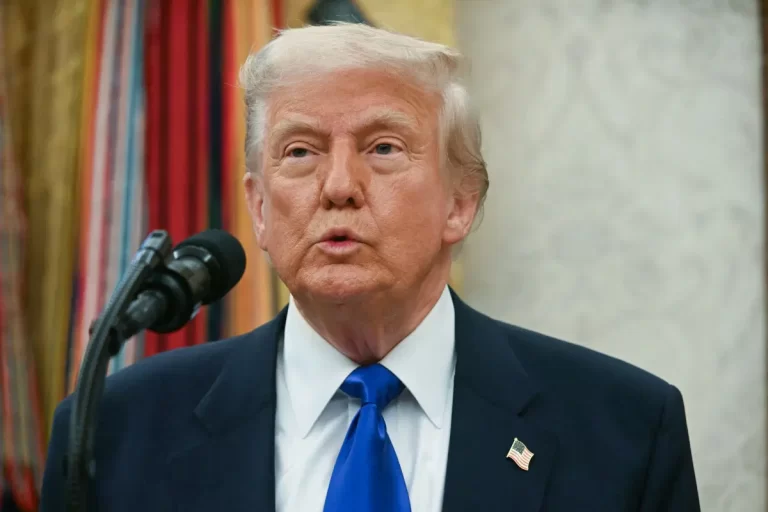
US President Donald Trump has intensified his attacks on the American electoral system, calling on Republicans to “nationalize” voting and shift control of elections from states to the federal government, remarks that have reignited constitutional concerns ahead of the November midterm elections.

Speaking during a podcast interview this week, Trump urged his Republican Party to take over the administration of elections in several states, repeating long-discredited claims of widespread voter fraud.

“The Republicans should say, ‘We want to take over. We should take over the voting in at least — many, 15 places.’ The Republicans ought to nationalize the voting,” Trump said.

The comments, which drew swift criticism from Democrats and civil rights groups, come as Republicans face the prospect of losing control of Congress in the November 3 midterms, amid declining approval ratings for Trump and recent electoral setbacks at the local level.

Trump, who continues to reject the outcome of the 2020 presidential election won by former President Joe Biden, defended his position during remarks at the White House, questioning why the federal government does not already play a greater role in conducting elections.

He further claimed in a television interview that some parts of the country were “extremely corrupt,” adding that if elections “can’t be done properly and timely, then something else has to happen.”

Legal experts have warned that Trump’s proposal directly conflicts with the US Constitution, which assigns primary responsibility for running elections to individual states.

“The Constitution clearly says that states are the ones that do the running of elections. There is no debate about this,” said Justin Levitt, a professor of law who has previously served in Democratic administrations. He explained that the system reflects both the size of the country and long-standing safeguards against centralised abuse of power.

Despite the legal barriers, Trump has remained unapologetic, reiterating his claim that the 2020 election was “rigged,” a position repeatedly rejected by US courts.

“It was a rigged election. Everybody now knows that,” he told world leaders earlier this year, adding that prosecutions would follow, without providing evidence.

In recent weeks, Trump’s administration has taken controversial steps linked to his election claims, including federal investigations into voting materials in several states and legal actions seeking access to voting records. Critics say the moves risk undermining confidence in the democratic process ahead of the midterms.

Legal scholars have described the actions as part of a broader strategy to cast doubt on upcoming elections. “At worst, it suggests he may try to use the federal government to interfere in how states run elections,” said Rick Hasen, a law professor, urging civil society groups to remain vigilant.

Civil rights organisations have also raised alarm. The National Association for the Advancement of Colored People (NAACP) accused the administration of engaging in “unconstitutional antics” aimed at wearing down public resistance and weakening electoral protections.

Concerns have deepened following remarks by some of Trump’s allies suggesting the use of law enforcement at polling stations. Steve Bannon, a prominent supporter of the president, said immigration officers would be deployed around polling units during the election, a statement that has further fueled fears of voter intimidation.

As the midterms approach, Trump’s rhetoric and actions are expected to intensify scrutiny of the balance between federal authority, state rights and the integrity of the US democratic system.

Arteta Backs Arsenal To Build On ‘Magical’ League Cup Final Boost

0

Arsenal manager Mikel Arteta says his side will use the “magical” feeling of reaching the League Cup final to drive their Premier League title push, following a dramatic semi-final victory over Chelsea.

The Gunners sealed a 4–2 aggregate win with a 1–0 triumph in the second leg at the Emirates Stadium on Tuesday night, as Kai Havertz struck with virtually the last kick of the game.

The result ended a painful run of semi-final exits for Arsenal, who had previously fallen short in the 2025 Champions League and League Cup, the 2022 League Cup and the 2021 Europa League.

It will be Arsenal’s first cup final appearance in six years, with a Wembley showdown scheduled for March 22 against either Manchester City or Newcastle. City currently hold a 2–0 advantage ahead of the second leg at the Etihad Stadium.

Arsenal’s season continues to gather momentum, with the club sitting six points clear at the top of the Premier League and having qualified for the Champions League last 16 after winning all eight group-stage matches.

Arteta said the emotional lift from reaching the final would be vital as the team continues to compete on multiple fronts.

“Well, it’s the best vitamins that we can put in our bodies because we’re playing every three days,” he said.

“The fact that you work so hard to achieve those moments and to have these moments together, it’s just magical, because you can see the joy, the smile, the energy in the dressing room and everybody who works at the club.

“Winning helps in every sense. Confidence, energy, you call it. We’re going to be there in a few weeks.

“In the meantime, we know that we need to just put it aside, because three days later, we’re going to have a massive game here in the Premier League, and we’re on all fronts. That’s where we want to be. So let’s keep moving.”

The roar that greeted Havertz’s late goal, and Arteta’s celebrations on the pitch, underlined how significant the moment was for Arsenal supporters who have waited years for silverware.

Arsenal have not won the League Cup since 1993 and lost their last three appearances in the final. Victory at Wembley would deliver the club’s first trophy since the 2020 FA Cup.

Arteta, who previously worked under Pep Guardiola at Manchester City, said cup success can play a crucial role in shaping a title-winning mentality.

“We are so happy. Over the two games, we deserved to go through. We wrapped it up at the end in a beautiful way, with Kai scoring the goal in the manner that he did and the reaction from the crowd,” he said.

“The players give us every day their reasons to trust them and to play them and to make sure that they feel part of that. We have an excellent group. The quality, obviously, is there.

“This is about learning from previous experiences. The way the team competed and understood what we had to do was really impressive. And now let’s win the final.”

Chelsea manager Liam Rosenior, meanwhile, described the defeat as a disappointment but urged his team to respond positively.

“We’re disappointed not to go through, albeit against a very good team, but we can’t let this set-back affect our future,” he said.

Four Out Of Every 10 Cancer Cases Are Preventable – WHO Warns On World Cancer Day

0

Up to four in every ten new cancer cases worldwide can be prevented through lifestyle changes, stronger public health policies and early interventions, the World Health Organisation (WHO) has said.

The warning is contained in a new global analysis released on World Cancer Day, February 4, 2026, drawing attention to the growing burden of cancer and the urgent need for prevention-focused health strategies, particularly in low- and middle-income countries such as Nigeria.

The findings are based on a Nature Medicine study analysing cancer data from 185 countries across 36 cancer types, and show that about 37 per cent of the 18.7 million new cancer cases recorded globally in 2022 were linked to modifiable risk factors.

According to the WHO, the most significant preventable drivers of cancer include tobacco use, infectious agents, unhealthy diets, physical inactivity, alcohol consumption and environmental pollution.

“The science is clear,” said Dr Maria Neira, WHO Director of Environment, Climate Change and Health.
“A large proportion of cancers — particularly those linked to tobacco, infections and unhealthy environments — are not inevitable. They are preventable.”

Tobacco, Infections Lead Preventable Cancer Causes

The report identifies tobacco use as the single largest preventable cause of cancer globally, responsible for around 15 per cent of all new cases. This includes cancers of the lung, throat, mouth, oesophagus and bladder.

Infectious agents such as human papillomavirus (HPV) and Helicobacter pylori together account for about 10 per cent of new cancer cases, particularly cervical, liver and stomach cancers.

“Smoking and infection-associated cancers continue to take an enormous toll,” said Dr Elisabete Weiderpass, Director of the International Agency for Research on Cancer (IARC), an arm of the WHO.
“Effective prevention is not only possible — it must be prioritised.”

Why This Matters For Nigeria

Health experts say the findings are especially relevant for Nigeria, where late diagnosis, limited screening programmes and weak preventive healthcare systems continue to fuel rising cancer deaths.

Cancers linked to HPV, hepatitis, tobacco use and environmental exposure remain common in Nigeria, while access to vaccines, screening and early treatment remains uneven across states.

WHO officials note that cervical cancer, one of the leading causes of cancer-related deaths among Nigerian women, is almost entirely preventable through HPV vaccination and routine screening.

Similarly, stomach cancers associated with H. pylori infection can be reduced through improved sanitation, access to antibiotics and early testing.

Gender And Regional Gaps

The WHO analysis also highlights disparities in preventable cancer burdens:

  • About 45 per cent of cancers in men were linked to modifiable risk factors
  • Around 30 per cent in women were attributable to preventable causes

Regional differences were also observed, reflecting variations in lifestyle, pollution levels, infection rates and access to healthcare.

“These differences show why countries need locally tailored prevention strategies,” Dr Neira said. “One-size-fits-all solutions will not work.”

Call For Policy Action And Prevention

The WHO is urging governments to prioritise prevention over treatment, stressing that early action is cheaper, more effective and saves lives.

Iran Formally Allows Women To Ride Motorcycles, Ending Years Of Legal Ambiguity

0

Women in Iran can now officially obtain licences to ride motorcycles and scooters, following a new government resolution that ends decades of legal uncertainty and discriminatory enforcement in the country’s traffic laws.

Local media reported on Wednesday that Iran’s First Vice President, Mohammad Reza Aref, signed the resolution on Tuesday, giving formal backing to a policy approved by the cabinet in late January. The decision obliges traffic authorities to begin issuing motorcycle licences to women nationwide.

Although Iranian law had never explicitly banned women from riding motorcycles, authorities in practice consistently refused to issue licences to female applicants. This informal restriction created a legal grey area in which women riders were often penalised or held legally responsible in road accidents, even when they were victims.

According to the Ilna news agency, the new resolution mandates traffic police to provide practical riding training for female applicants, organise examinations under direct police supervision, and issue motorcycle driver’s licences to women who meet the requirements.

The move is being widely interpreted as a significant, though limited, step toward easing long-standing gender-based restrictions in Iran, particularly in public spaces and mobility.

Since the 1979 Islamic Revolution, Iranian women have faced numerous social and legal constraints, including strict dress codes and limitations on public behaviour. These restrictions have historically made motorcycle riding especially contentious, given requirements for women to wear headscarves and loose-fitting clothing in public.

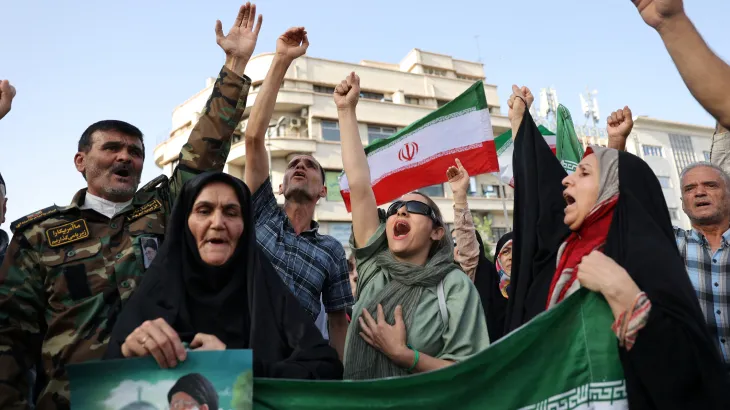
Despite these challenges, the number of women riding motorcycles and scooters has increased in recent years, particularly in major cities such as Tehran. Many women have turned to two-wheelers for economic reasons, convenience, and personal independence, often riding without formal licences due to the previous enforcement practices.

The policy shift comes against the backdrop of widespread protests and social unrest that have rocked Iran in recent years. Demonstrations initially driven by economic hardship later evolved into broader anti-government protests demanding political and social reforms.

Tensions escalated further after the 2022 death of Mahsa Amini, a young woman who died in custody after being arrested for allegedly violating Iran’s dress code. Her death sparked nationwide protests led largely by women, calling for greater personal freedoms and an end to state-imposed restrictions.

While Iranian authorities have defended their handling of protests, they have acknowledged that more than 3,000 people died during periods of unrest, insisting that many were security personnel and bystanders.

Analysts say the decision to formally license women motorcycle riders reflects growing pressure on the Iranian government to respond to changing social realities, particularly as women continue to challenge traditional restrictions in everyday life.

However, rights groups caution that the move does not amount to a comprehensive reform of women’s rights in Iran, noting that broader legal and cultural limitations remain firmly in place.

Still, for many Iranian women, the policy represents a tangible change — granting legal recognition to a practice that had long existed unofficially, and offering a measure of protection and legitimacy on the country’s roads.

Snakebite Tragedy: Senate Orders Mandatory Stocking Of Antidotes In Hospitals Nationwide

0

The Senate has directed that all public and private hospitals across Nigeria must mandatorily stock life-saving antidotes and emergency medicines, following concerns over recurring, preventable deaths arising from snakebites, poisoning, drug overdoses and similar medical emergencies.

The resolution was adopted on Tuesday after lawmakers considered a motion sponsored by Senator Idiat Oluranti Adebule (APC, Lagos West), amid growing unease about gaps in emergency preparedness within the country’s healthcare system.

In a solemn gesture underscoring the gravity of the issue, the Senate observed a minute of silence in honour of Miss Ifunanya Nwangene, who reportedly died after suffering a snakebite in Abuja. Senators described the incident as avoidable and emblematic of systemic failures in the availability of critical antidotes during medical emergencies.

Contributing to the debate, Senator Sunday Karimi (APC, Kogi West) described the death as needless, insisting that no Nigerian should lose their life to a condition for which effective treatment exists.

“That shouldn’t happen in our country because we are supposed to have antidotes. We have to be proactive as a government. I don’t see why medical centres should not have antidotes,” Karimi said.

Other lawmakers echoed similar sentiments, calling for decisive policy action rather than reactive responses to avoidable fatalities.

Senator Ekong Sampson (APC, Akwa Ibom) said the tragedy should serve as a wake-up call for authorities at all levels.

“We must put in place clear healthcare policies and drive them. We don’t have to wait until there’s a fatality through snakebites. This is a lesson that we must take healthcare very seriously. My heart bleeds for the family of the deceased, noting that the loss was avoidable,” he said.

Leading the debate, Senator Adebule stressed that emergencies such as snakebites, scorpion stings and poisoning require immediate access to specific antidotes, particularly within the critical “golden hour.” She warned that delays often result in preventable deaths or irreversible complications.

“The tragic death of Miss Ifunanya Nwangene exposes the grave consequences of inadequate emergency preparedness in both public and private hospitals. No Nigerian should lose their life simply because a hospital lacks basic, life-saving antidotes,” she said.

Adebule also referenced the World Health Organisation’s classification of snakebite envenoming as a neglected tropical disease, noting that the global health body has repeatedly emphasised the need for timely access to safe and effective antivenoms, especially in countries like Nigeria where snakebites remain prevalent.

She further cited Sections 14(2)(b) and 17(3)(d) of the 1999 Constitution (as amended), which place a duty on governments to prioritise citizens’ welfare and ensure access to adequate medical facilities.

According to her, many hospitals either do not stock essential antidotes such as antivenoms and anti-toxins or keep them in grossly insufficient quantities, forcing patients to move from one facility to another during emergencies.

“This practice is unacceptable and deadly. It increases mortality rates and erodes public confidence in our healthcare system,” she said.

Adopting the motion, the Senate urged the Federal Ministry of Health and Social Welfare to develop and enforce national guidelines prescribing minimum stock levels of essential antidotes and emergency medicines for designated public and private hospitals.

It also called on the Ministry, in collaboration with the National Agency for Food and Drug Administration and Control (NAFDAC), to ensure the procurement, quality assurance, proper storage and nationwide availability of safe, effective and affordable antivenoms, with priority attention given to high-risk regions.

Lawmakers further urged state governments to immediately audit hospitals within their jurisdictions to assess compliance with approved antidote-stocking and emergency preparedness standards. Relevant professional and regulatory bodies were also called upon to strengthen emergency response protocols and ensure periodic training of healthcare workers.

In addition, the Senate urged the Federal Capital Territory Administration (FCTA) and state governments to establish coordinated emergency referral systems linking public and private hospitals to guarantee timely access to life-saving medicines.

The resolutions further directed that the availability of essential antidotes should become a mandatory condition for licensing and renewal of accreditation for private hospitals, while adequate budgetary provisions should be made to sustain supplies in public health facilities.

In a related decision, the Senate urged the Federal Ministry of Housing and Urban Development to strengthen building regulations by making the installation of Non-Return Valves compulsory under the National Building Code, to prevent rodents and snakes from entering buildings through drainage systems.

Presiding over the session, Senate President Godswill Akpabio described Miss Nwangene as a promising Nigerian whose death was a significant loss to her family and the nation. He said the resolutions reflected the Senate’s resolve to protect lives.

“The welfare of Nigerians must remain paramount. No life should be lost because of avoidable lapses in our healthcare system,” Akpabio said.

Meanwhile, the Senate also retreated into a prolonged closed-door session over the Electoral Act Amendment Bill, spending over four hours behind closed doors without making any public disclosure on the fate of the legislation.

Lawmakers entered the executive session at about 1:06pm following a motion by Senate Leader Opeyemi Bamidele for the continuation of clause-by-clause consideration of the report of the Senate Committee on Electoral Matters, chaired by Senator Simon Lalong. The session ended around 5:30pm.

When plenary resumed, however, no details were provided on the outcome of the deliberations, further deepening uncertainty around the bill, which is widely regarded as critical to strengthening Nigeria’s electoral process.

In brief remarks, Akpabio said senators had deliberated on “matters concerning the Senate in particular and the nation in general,” before closing the session.

The closed deliberations have raised concerns among stakeholders over transparency and delays surrounding the amendment process.

Separately, the Senate also initiated moves to amend the 1999 Constitution to increase the Federal Government’s share of national revenue, citing mounting fiscal pressures, deteriorating infrastructure and escalating security challenges.

The proposal followed the first reading of a constitutional amendment bill sponsored by Senator Karimi, which seeks an upward review of the existing revenue allocation formula in favour of the Federal Government.

Under the current arrangement, the Federal Government receives 52.68 per cent of federally collected revenue, states receive 26.72 per cent, while local governments share 20.60 per cent.

Karimi argued that despite receiving the largest share, the Federal Government’s allocation no longer reflects the scale of its constitutional responsibilities.

He said the proposal was aimed at addressing “grossly inadequate revenue” that has constrained federal capacity to fund infrastructure, security and other national obligations.

The proposed amendment is expected to trigger extensive debate, particularly from state and local governments that may oppose any reduction in their shares.

If passed, it would mark a significant shift in Nigeria’s fiscal federalism and the distribution of resources among the three tiers of government.

FG Submits Reno Omokri’s Media Interviews As Evidence In Sowore Cyberstalking Trial

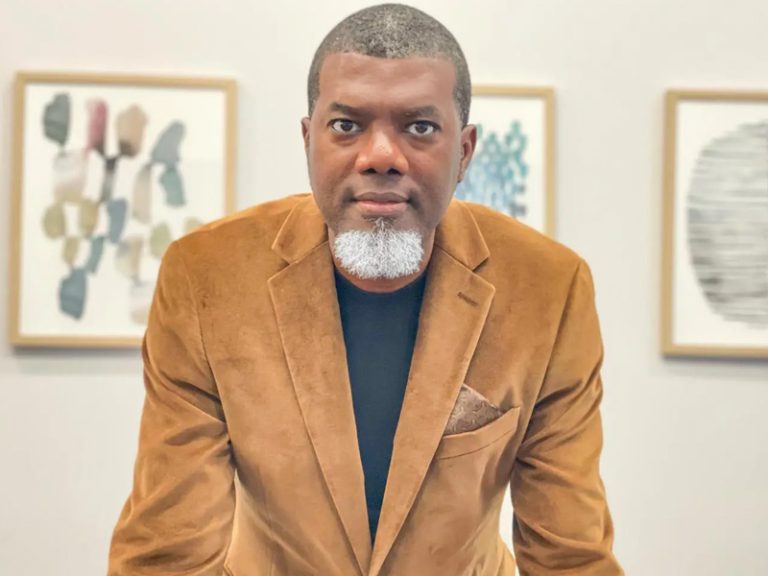
The federal government has filed additional court documents indicating it will rely on television interviews and newspaper publications involving former presidential aide and ambassadorial appointee, Bemigho Reno Omokri, as evidence in the ongoing cyberstalking trial of human rights activist and publisher, Omoyelé Sowore, before the Federal High Court in Abuja.

The development is contained in a Notice of Additional List of Documents filed pursuant to the Administration of Criminal Justice Act (ACJA), 2015, in Charge No: FHC/ABJ/CR/484/2025, with the Federal Republic of Nigeria as complainant.

Sowore was recently re-arraigned on a two-count amended charge of alleged cyberstalking against President Bola Tinubu and pleaded not guilty to the charges.

According to the prosecution, the allegations arose from posts allegedly made by Sowore on X (formerly Twitter) and Facebook, in which he reportedly described the President as a “criminal”.

To support its case, the federal government listed two television interviews granted by Omokri, aired on News Central Television and Channels Television’s Politics Today programme. It also listed media reports published by Vanguard and Punch newspapers in December 2025 and January 2026.

Also tendered is a USB flash drive containing electronic copies of the materials, alongside a Certificate of Compliance issued under Section 84 of the Evidence Act, 2011, which governs the admissibility of electronically generated evidence in Nigerian courts.

In the certificate personally signed by him, Omokri, who described himself as a lawyer, investor and author, certified the origin, authenticity and integrity of the electronic materials. He stated that the interviews and online publications were downloaded from YouTube and online news platforms using his HP computer (Model No. M44DL9H) and printed with a Sharp printer (AR-5731).

Omokri further confirmed that the televised interviews were saved onto a USB flash drive now listed among the prosecution’s exhibits, adding that the devices used were in good working condition at the time. He said the documents were generated in the ordinary course of computer use and verified to be identical with the original electronic records.

The certificate, dated January 29, 2026, was issued to satisfy the requirements of Section 84 of the Evidence Act.

Meanwhile, an Affidavit of Service filed by Kemi Esene, Practice Manager at Kehinde & Partners LP, counsel to the federal government, confirmed that Sowore was personally served with the additional documents on February 3, 2026.

The affidavit stated that the defendant was served with Omokri’s Summary of Witness Statement, the Certificate of Compliance, the Notice of Additional List of Documents, and a Notice of Additional List of Witnesses.

The latest filing highlights the prosecution’s reliance on media interviews, online publications and electronic records as central elements of its case, bringing statements made in the public media space under judicial examination in the ongoing cyberstalking trial.

Proceedings in the case continue before the Federal High Court, Abuja.

Several Killed, Houses Burnt As Bandits Attack Katsina Community

0

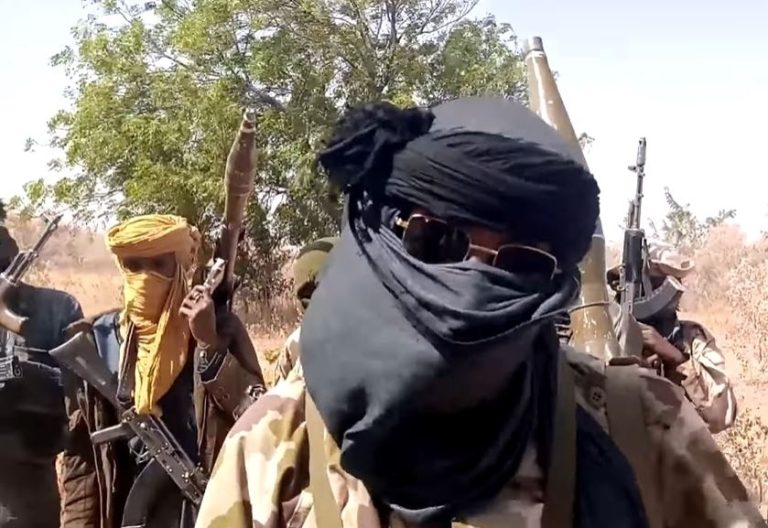
Several persons have been killed while houses, shops and vehicles were destroyed after bandits attacked Doma community in Tafoki area of Faskari Local Government Area, Katsina State.

The attack occurred at about 4:30pm on Tuesday, when armed bandits, reportedly wielding AK-47 rifles, stormed the community, five months after a peace agreement was reached in the area.

Confirming the incident, the Chairman of Faskari Local Government Area, Sirajo Daudawa, described the attack as a suspected reprisal assault.

“The situation is indeed very unfortunate. We have not recorded any bad moments over the past five months, except for this incident,” Daudawa said.

He disclosed that at least 20 people were killed, with several houses and vehicles set ablaze, leaving many residents displaced.

“Security agencies were duly informed, but unfortunately none was able to reach the scene until after the bandits had carried out their attack,” he added.

Daudawa said the bodies of the victims were recovered in the Tafoki area and would be buried on Wednesday morning, while extending condolences to the affected families and residents.

Police Confirm Attack, Cite Lower Casualty Figure

Meanwhile, the Katsina State Police Command confirmed the attack but reported a lower casualty figure.

In a statement issued Tuesday night by the Police Public Relations Officer, Abubakar Sadiq, the Commissioner of Police, Bello Shehu, condemned the attack and commiserated with the families of the victims.

According to the police, 13 persons were fatally shot before the attackers fled the area.

“The Divisional Police Officer mobilised operatives in collaboration with the military and members of the Katsina State Community Watch Corps to the scene, but the assailants had escaped before their arrival,” the statement said.

The police said additional security resources have been deployed to the area to aid investigation and track down the perpetrators, adding that normalcy has since been restored to the community.

Further developments, the command said, will be communicated in due course.