Home Blog Page 18

Melinda French Gates Says Epstein Documents Revive ‘Painful’ Memories After Bill Gates Named In US Files

0

Billionaire philanthropist Melinda French Gates has said the release of new Jeffrey Epstein-related documents naming her former husband, Bill Gates, has reopened “very painful” memories from their marriage and divorce.

Speaking on NPR’s Wild Card podcast, French Gates said the latest revelations brought back deep personal pain, describing her reaction as one of “unbelievable sadness.”

“For me, it’s personally hard whenever those details come up, right? Because it brings back memories of some very, very painful times in my marriage,” she said.

French Gates added that she is relieved to be removed from the controversy surrounding Epstein and those linked to him. “I am so happy to be away from all the muck,” she said.

The former couple divorced in 2021 after 27 years of marriage.

Bill Gates Denies Epstein Allegations

Documents released last week by the United States Department of Justice include claims made by Epstein referencing Bill Gates, including an allegation that the Microsoft co-founder contracted a sexually transmitted disease. Gates has strongly denied the claim.

“These claims from a proven, disgruntled liar are absolutely absurd and completely false,” a spokesperson for Bill Gates said.

There has been no allegation of wrongdoing against Gates by any of Epstein’s victims, and his appearance in the documents does not imply criminal conduct.

“Not My Questions To Answer” — French Gates

In the interview, French Gates made clear that lingering questions about Epstein’s network are not hers to resolve.

“Whatever questions remain there of what, I can’t even begin to know all of it — those questions are for those people and for even my ex-husband. They need to answer to those things, not me,” she said.

US media reports have previously indicated that French Gates was unhappy about her husband’s association with Epstein prior to their separation. After the divorce was announced, Bill Gates publicly acknowledged having had an affair with a Microsoft employee in 2019.

What The Documents Show

The allegations involving Gates appear within more than three million documents released by US authorities. Among them are two emails dated July 18, 2013, which appear to have been drafted by Epstein.

Both emails originated from Epstein’s own email account and were sent back to the same address. No email account linked to Gates appears in the records, and neither message is signed.

One email is framed as a resignation letter from the Bill and Melinda Gates Foundation, claiming Epstein had been required to procure medicine for Gates “to deal with the consequences of sex with Russian girls.” The second email, beginning “dear Bill,” alleges that Gates attempted to conceal a sexually transmitted infection, including from his then-wife.

Gates and his representatives have consistently maintained that his interactions with Epstein were limited to “several dinners” centred on a philanthropic idea that never materialised.

Reacting to the latest document release, Gates’s spokesperson said the records reflect Epstein’s anger at losing access to Gates and demonstrate “the lengths he would go to entrap and defame.”

Epstein Network Under Renewed Scrutiny

The newly released files provide further insight into Epstein’s wide network of politicians, business figures and celebrities, some of whom maintained contact with him even after his 2008 conviction for soliciting sex from a 14-year-old girl.

Epstein died in a New York jail in 2019 while awaiting trial on federal sex-trafficking charges.

Tinubu Reaffirms Nigeria’s 3 Million Bpd Oil Output Target By 2030

0

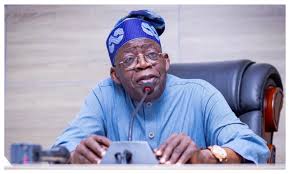
President Bola Tinubu has reaffirmed Nigeria’s commitment to raising crude oil production to three million barrels per day (bpd) by 2030, as the Federal Government intensifies reforms aimed at restoring investor confidence and repositioning the oil and gas sector as a key driver of national growth.

The President made the declaration on Tuesday in Abuja at the 9th Nigeria International Energy Summit (NIES), themed “Energy for Peace and Prosperity: Securing Our Shared Future.” Tinubu was represented at the event by Vice President Kashim Shettima.

According to the President, the administration inherited an oil and gas sector weighed down by inefficiencies, prolonged underinvestment and regulatory uncertainty, but has since taken decisive steps to reverse the decline and stabilise production.

He described energy as a strategic tool for national stability and economic growth, stressing that access, affordability and reliability remain central to Nigeria’s development and security objectives.

Tinubu said the full implementation of the Petroleum Industry Act (PIA) has brought regulatory clarity, strengthened governance and helped rebuild investor confidence across the sector. He added that transparent and competitive licensing rounds introduced by the government rank among the most credible in Nigeria’s history.

Rising Production And Investment Momentum

The President disclosed that upstream activity has rebounded significantly, with rig counts increasing sharply and final investment decisions (FIDs) exceeding $8 billion across major oil and gas projects.

He said Nigeria’s average crude oil production has improved to about 1.6 million barrels per day, driven by targeted initiatives such as Project One Million Barrels Per Day.

According to him, the Federal Government is working towards 2.5 million barrels per day by 2027, with a long-term target of three million barrels per day of liquid hydrocarbons and 12 billion cubic feet of gas per day by 2030.

On gas development, Tinubu described natural gas as Nigeria’s strategic transition fuel, noting that domestic gas supply has exceeded two billion cubic feet per day for the first time. He said this has strengthened power generation, industrial activity and energy access nationwide.

The President added that increased export volumes, alongside expanded gas processing and transportation infrastructure, are reinforcing Nigeria’s position in regional and global gas markets.

Refining, Subsidy Removal And Market Reforms

Tinubu also highlighted progress in domestic refining, describing the full commencement of operations at the Dangote Petroleum Refinery as a turning point in Nigeria’s quest for energy self-sufficiency.

He said the rehabilitation of state-owned refineries has gained momentum, while modular refineries continue to advance under supportive regulatory frameworks.

According to the President, reforms such as fuel subsidy removal and foreign exchange liberalisation, though difficult, were necessary to restore market efficiency and ensure long-term sustainability of the energy sector.

Nigeria Is Investment-Ready — Lokpobiri

In his remarks, the Minister of State for Petroleum Resources (Oil), Senator Heineken Lokpobiri, said Nigeria has become investment-ready following far-reaching legal, regulatory and fiscal reforms.

Lokpobiri noted that oil production and investments were in decline when the current administration took office but said the PIA has provided a stable fiscal framework, while the upstream petroleum operations cost efficiency incentives order introduced tax credits to reduce operating costs.

He said Project One Million Barrels Per Day has delivered rapid gains, with production rising to between 1.7 and 1.83 million barrels per day, while active rig count increased from 14 in 2023 to over 60.

The minister cited major FIDs, including Shell’s $5 billion Bonga North project and TotalEnergies’ Ubeta project, as evidence of renewed international confidence. He disclosed that four of the seven major FIDs announced across Africa between 2024 and 2025 were in Nigeria.

Lokpobiri also highlighted the transfer of onshore and shallow-water assets from international oil companies to Nigerian firms, which he said added about 200,000 barrels per day to national output.

Gas At The Heart Of Energy Transition

The Minister of State for Petroleum Resources (Gas), Ekperikpe Ekpo, said natural gas remains central to Nigeria’s energy security and economic transformation.

Ekpo disclosed that gas production averaged 7.5 to 7.6 billion standard cubic feet per day in 2025, while gas flaring dropped to some of the lowest levels recorded in recent years.

He said expanded pipeline networks, processing facilities and gas-to-power projects have improved domestic utilisation and supply reliability, with the government targeting 10 billion standard cubic feet per day by 2030.

NNPC: Gas Is Nigeria’s Bridge To Prosperity

Also speaking, the Group Chief Executive Officer of NNPC Limited, Bayo Ojulari, said Nigeria must leverage its vast gas resources to power Africa’s growth and contribute to global stability.

“Nigeria’s pathway to a prosperous future lies in our collective ability to leverage our resource abundance, especially as gas sits at the heart of our strategy,” Ojulari said.

He described gas as Nigeria’s bridge to a cleaner future, engine for industrialisation and foundation for export-led growth, noting that over 600 million Africans still lack access to electricity.

Ojulari disclosed that NNPC has launched a new Gas Masterplan and is advancing major infrastructure projects, including the Obiafu-Obrikom-Oben (OB3) pipeline, the Ajaokuta-Kaduna-Kano (AKK) gas pipeline and the Escravos–Lagos Pipeline System (ELPS) expansion.

Calls To Cut Bureaucracy, Streamline Costs

The Chairman of the Independent Petroleum Producers Group (IPPG), Adegbite Falade, called on the Federal Government to urgently reduce bureaucracy and streamline multiple fees and charges faced by operators.

Falade said high operating costs, limited access to affordable capital and regulatory bottlenecks continue to discourage investment, despite recent policy improvements.

He urged full and effective implementation of the PIA, backed by predictable and transparent regulatory institutions, to sustain investor confidence.

Africa Energy Bank To Mobilise $200bn

Meanwhile, the African Petroleum Producers Organisation (APPO) unveiled plans for the $5 billion African Energy Bank (AEB), to be headquartered in Nigeria and commence operations by May 2026.

APPO Secretary-General Farid Ghezali said the bank aims to mobilise $200 billion to support Africa’s gas transition and energy transformation, starting with raising $15 billion within three years.

He said the bank would help unlock funding for critical midstream and downstream projects, reduce energy import costs by up to 30 per cent, and create an estimated 500,000 direct jobs across the continent.

The summit attracted African leaders, global energy firms, investors and development partners, reinforcing Nigeria’s push to reclaim its position as Africa’s leading energy hub.

Related News:
Nigeria Eyes 4 Million Bpd Oil Output By 2030, Unveils New Offshore Oil And Gas Reforms
New NNPC GCEO Sets $60bn Investment, 3m Bpd Oil Production Target By 2030
CDS Musa Urges Stakeholders To Support Tinubu’s 2.5 Million Bpd Oil Target


NECO Releases 2025 SSCE External Results, Records 71.63% Pass Rate

0

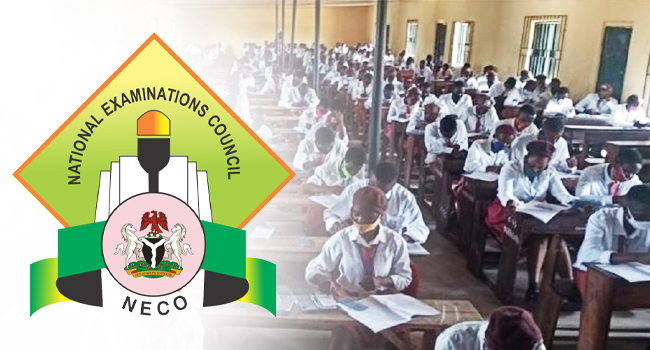
The National Examinations Council (NECO) has officially released the results of the 2025 Senior School Certificate Examination (SSCE) for external candidates, with 71.63 per cent of candidates achieving five credits and above, including English Language and Mathematics.

The announcement was made on Tuesday in Abuja by the Registrar and Chief Executive of NECO, Professor Danlami Wushishi, during a press briefing on the outcome of the nationwide examination.

According to NECO, a total of 96,979 candidates registered for the 2025 external SSCE across Nigeria. Of this figure, 51,823 candidates (53.43 per cent) were male, while 45,156 candidates (46.56 per cent) were female.

However, 95,160 candidates eventually sat for the examination, comprising 50,785 males (53.36 per cent) and 44,375 females (46.63 per cent).

Performance In English And Mathematics

Breaking down performance in key subjects, Professor Wushishi disclosed that 93,425 candidates sat for English Language, out of which 73,167 candidates (78.32 per cent) obtained credit passes and above.

For Mathematics, 93,330 candidates participated in the examination, with 85,256 candidates (91.35 per cent) securing credit passes and above.

Overall, NECO reported that 68,166 candidates, representing 71.63 per cent, achieved five credits and above including English Language and Mathematics, a benchmark often required for admission into tertiary institutions in Nigeria.

In addition, 82,082 candidates (86.26 per cent) obtained five credits and above regardless of English Language and Mathematics, indicating a generally strong performance across subjects.

Rising Cases Of Examination Malpractice

On examination malpractice, the NECO Registrar revealed a significant rise in infractions during the 2025 examination cycle.

According to him, 9,016 candidates were booked for various forms of examination malpractice, compared to 6,160 cases in 2024, representing an increase of 31.7 per cent.

Professor Wushishi also disclosed that supervisors and examination centres found complicit in malpractice were sanctioned.

He said two supervisors from the Federal Capital Territory (FCT) and one supervisor each from Kano and Lagos States have been recommended for appropriate disciplinary action.

In addition, four examination centrestwo in Niger State, and one each in Yobe and Lagos States—were found guilty of whole-centre malpractice and have been recommended for de-recognition.

NECO Reaffirms Commitment To Exam Integrity

The NECO boss reaffirmed the council’s commitment to safeguarding the credibility and integrity of its examinations, warning candidates, supervisors and school owners against practices that undermine the examination process.

He stressed that NECO would continue to strengthen monitoring mechanisms and enforce strict sanctions to deter future malpractice and protect the value of its certificates.

The release of the 2025 SSCE external results comes amid growing national conversations around education standards, examination integrity and access to higher education in Nigeria.

Six Killed, 23 Injured In Lagos–Ibadan Expressway Trailer Crash

0

Six passengers were killed and 23 others injured in a road crash on the Lagos–Ibadan Expressway near the Four Square Camp, the Federal Road Safety Corps (FRSC) has confirmed.

The accident involved a DAF CF 380 trailer (registration SNA 287 XA) and occurred at approximately 11:27 a.m. The Ogunmakin Unit Command of the FRSC responded within two minutes.

FRSC Public Relations Officer Odunsin Afolabi attributed the crash to driver fatigue and speeding, warning that unsafe loading practices—such as mixing passengers with cattle—can increase the risk of fatalities.

The injured and deceased were transported to Oreoluwa Hospital, GOFAMINT Camp, Ogunmakin, and Victory Hospital, Ogere.

The FRSC urged all motorists, particularly drivers of commercial and heavy vehicles, to inspect and service vehicles regularly, maintain safe speeds, and comply with road safety regulations.

Access Holdings Appoints Ifeyinwa Osime As Board Chairman

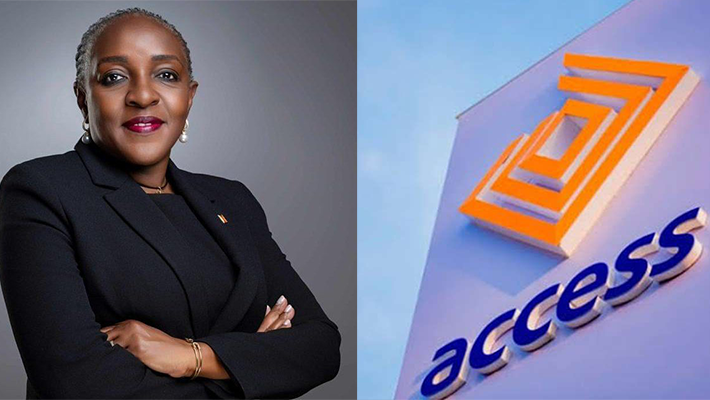
Access Holdings Plc has appointed Ifeyinwa Osime as the new Chairman of its Board, effective February 2026, following regulatory approvals and in line with the company’s corporate governance framework. She succeeds Paul Usoro, SAN, who retired on January 29, 2026, upon completing his regulatory tenure limit.

The company described Osime as a seasoned professional with extensive experience in finance, governance, and strategic leadership, underscoring her appointment as a reflection of Access Holdings’ commitment to board diversity, oversight, and continuity as the group expands across Africa and international markets.

Osime joined Access Bank’s Board in November 2019 as an Independent Non-Executive Director. She previously served as Chairman of the Board Human Resources and Sustainability Committee, and as a member of the Board Governance, Nomination, and Remuneration Committee. She also holds roles as Director at Ebudo Trust Limited and Partner at McPherson Legal Practitioners, contributing her expertise in corporate and commercial legal matters.

Her extensive board experience includes roles as Independent Non-Executive Director of Coronation Insurance Plc, Board Chairman of Coronation Life Insurance Company Ltd, and Non-Executive Director at Bank PHB (now Keystone Bank Limited).

Mrs. Osime is an active member of the Nigerian Bar Association, Women Corporate Directors Nigeria Chapter, and the Chartered Institute of Directors Nigeria, where she serves on the Executive Committee of the Women Sectoral Group. She is also involved in mentoring young people and supporting the Autism and Developmental Delays Support Community.

Speaking on her appointment, Group Chairman Aigboje Aig-Imoukhuede, CFR, said:
“Mrs. Osime is a principled and experienced leader with a deep understanding of the Bank’s strategy and values. I am confident that, under her leadership, the Bank will continue to advance its strategic objectives of delivering sustainable value to shareholders and other stakeholders.”

He also praised Paul Usoro for his “exemplary leadership, dedication, and significant contribution to the Group” and wished him well in his future endeavours.

Obi Cubana Appointed City Boy Movement South-East Director As Seyi Tinubu Presents Letter

0

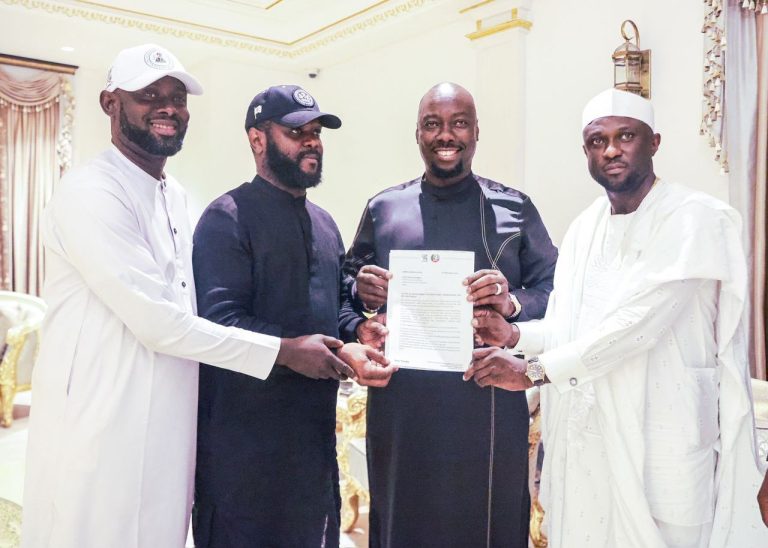
Popular Nigerian entrepreneur and social influencer, Obi Cubana, has been appointed South-East Regional Director of the City Boy Movement (CBM), a youth-focused political organisation aligned with President Bola Ahmed Tinubu’s Renewed Hope Agenda.

The appointment was formalised last week during a strategic forum of the movement, where Seyi Tinubu, patron of the City Boy Movement and son of President Tinubu, presented the official appointment letter to Cubana. The event was captured in a video that has since circulated widely on social media.

Speaking at the presentation, Seyi Tinubu commended Obi Cubana for his influence among young Nigerians and his support for the current administration.

“I want to first of all thank you for your support for Asiwaju Bola Ahmed Tinubu and to youths and young people in Nigeria, especially in the Southern region,” he said.

Announcing the appointment, he added:
“On behalf of the City Boy Movement, we want to present you your appointment letter as the Regional Director of the South-East for City Boy. On behalf of the City Boy Movement, we say congratulations.”

Seyi Tinubu also reiterated the movement’s commitment to collaboration, leadership development and national unity, describing youth engagement and grassroots mobilisation as central to advancing the objectives of the Tinubu administration.

The City Boy Movement, founded in 2022, emerged as a youth-driven support platform during President Tinubu’s election campaign and has since expanded into a nationwide structure focused on mobilising, educating and empowering young Nigerians and women around government policies and reforms.

According to the organisation, the movement works to promote awareness of government initiatives, deepen public understanding of policy decisions and build a strong grassroots network capable of sustaining democratic participation and national development across Nigeria’s 774 local government areas.

The appointment ceremony was attended by senior figures within the movement and the business community, including Francis Oluwatosin Shoga, Director-General of the City Boy Movement; Favour Abayomi, National Coordinator; and Stanley Uzochukwu, Chairman of Stanel Group.

Following President Tinubu’s election victory, the City Boy Movement expanded its structure nationwide, appointing state directors and local coordinators to help explain key policy changes, including the removal of fuel subsidy and other economic reforms, at the community level.

With Obi Cubana’s appointment as South-East Director, the movement is expected to intensify its grassroots engagement in the region, leveraging his popularity among youths and entrepreneurs to promote civic participation, policy communication and the broader goals of the Renewed Hope Agenda.

FCT Strike Suspended As NLC, TUC Direct Workers To Resume Duties Immediately

0

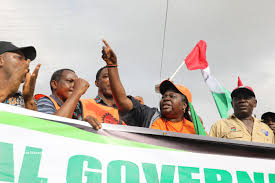
The Nigeria Labour Congress (NLC) and the Trade Union Congress (TUC) have directed all workers under the Federal Capital Territory Administration (FCTA) to resume work with immediate effect, effectively suspending the strike that disrupted activities across Abuja.

The directive followed a marathon conciliatory meeting between organised labour and the Minister of the Federal Capital Territory, Nyesom Wike. It was contained in a joint circular issued by both labour centres.

“Consequently, all JUAC members and all affiliates of the TUC and NLC working in the Ministry of the FCT are hereby directed to resume work immediately,” the circular, jointly signed by TUC Secretary-General N.A. Toro and NLC Acting General Secretary Benson Upah, stated.

The unions urged strict compliance with the directive “in the interest of industrial peace and harmony, in good faith.”

According to organised labour, the breakthrough was achieved through the intervention of the Chairman of the Senate Committee on the FCT, Mohammed Bomoi. The meeting addressed issues that had paralysed operations at the FCTA Secretariat and other agencies since January 19.

The unions said all grievances raised by the Joint Union Action Committee (JUAC) were resolved “to the satisfaction of all parties involved,” with the FCT Minister assuring workers of mutual respect and sustained engagement to ensure a harmonious working relationship.

Key resolutions reached include an agreement that no worker will be victimised for participating in the industrial action and that all pending cases at the National Industrial Court (NIC) related to the dispute will be withdrawn by the parties.

The JUAC-led strike was triggered by complaints including the alleged non-remittance of statutory deductions such as pensions and National Housing Fund contributions, delays in the payment of promotion arrears, and concerns over the conduct of promotion exercises.

The industrial action led to a shutdown of several departments and agencies under the FCTA and the Federal Capital Development Authority (FCDA), prompting the FCT Administration to seek legal redress.

On January 27, the National Industrial Court ordered workers to suspend the strike, ruling that while the matter qualified as a trade dispute, the right to strike was not absolute once the issue had been brought before the court.

Despite the ruling, labour unions initially directed members to continue the strike, leading to heightened tensions.

On Monday, the NIC issued an interim order restraining the NLC, TUC and other parties from embarking on a planned protest on Tuesday, February 3, 2026. Justice Emmanuel Sublim, ruling on an ex parte application filed by the FCT Minister and the FCTA, also directed security agencies to ensure there was no breakdown of law and order.

With the latest agreement, normal activities are expected to resume across FCTA offices and agencies in Abuja, bringing relief to residents and businesses affected by the shutdown.

Families Mourn 200 Killed In DR Congo Mine Landslide As Survivors Prepare To Return

0

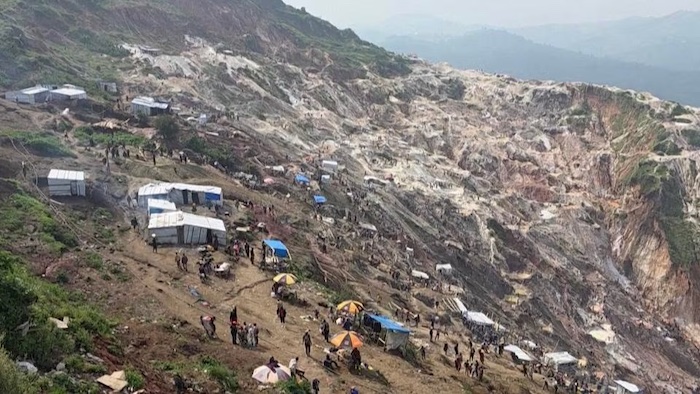
Families in eastern Democratic Republic of Congo are mourning after a deadly landslide at the Rubaya mining complex claimed at least 200 lives, even as economic hardship forces surviving miners to consider returning to the dangerous site.

The tragedy occurred last week when heavy rainfall caused a network of hand-dug tunnels at the coltan mine to collapse. The Rubaya mining area, located about 40 kilometres west of Goma, has been under the control of Rwandan-backed M23 rebels since early 2024. While authorities and local leaders have confirmed at least 200 deaths, an unknown number of miners are still missing beneath the debris.

In Goma’s Mugunga neighbourhood, grief hangs heavy at the home of Bosco Nguvumali Kalabosh, a 39-year-old miner who died in the collapse. Relatives and neighbours have gathered daily since Thursday, sitting quietly around a framed photograph of Kalabosh propped against the wall.

“He was supposed to return to Goma on Thursday,” his older brother, Thimothée Kalabosh Nzanga, said, struggling to come to terms with the loss.

Kalabosh had worked in the mines for more than a decade and reportedly owned mining pits at the Rubaya site. Artisanal mining, his family explained, had been passed down through generations. He is survived by his wife and four young children, the eldest just five years old.

Despite the scale of the tragedy, survivors say poverty leaves them with few alternatives. Tumaini Munguiko, who narrowly escaped the collapse, visited Kalabosh’s family to offer condolences and described the painful reality facing miners.

“Seeing our peers die is very painful,” he said. “But despite the pain, we are forced to return to the mines to survive.”

Munguiko said he has lived through several similar incidents over the years, noting that deadly collapses have become almost routine at the site. “We accept it because it is our means of survival. I was saved this time, but I lost five friends and my older brother,” he added.

According to miners, landslides are especially common during the rainy season, when the clay-rich soil becomes unstable. Long, narrow tunnels are dug with little or no structural support, often running parallel to one another, creating the risk that a single collapse can trigger multiple cave-ins.

A former miner familiar with operations at Rubaya said the lack of oversight and safety measures has made the site increasingly hazardous. In some pits, he explained, hundreds of miners can be working at the same time, with no clear evacuation routes in the event of an emergency.

“There is no control,” he said. “People dig everywhere, without safety standards. When one tunnel collapses, it can destroy many others at once.”

Compensation for victims’ families, he added, is rare and often inadequate. “The diggers don’t have insurance. At best, families may receive small amounts to cover funeral expenses, but that is not real compensation.”

Kalabosh’s family confirmed they have received no financial support since his death. Still, both his brother and survivors like Munguiko say returning to the mines feels inevitable.

“I have no choice,” Munguiko said. “Our whole life is there.”

The Rubaya mines are a major source of coltan, a mineral essential for the production of mobile phones, computers, and military and aerospace equipment. Control of the area has made it a strategic and economic flashpoint in eastern Congo’s long-running conflict.

The Congolese government has accused the M23 rebels of illegally exploiting natural resources from the region, allegations the group has denied. An M23 spokesperson rejected claims of responsibility for unsafe conditions at the mine, accusing the government of politicising the tragedy.

As families continue to bury their dead, the disaster has once again highlighted the human cost of unregulated mining and conflict-driven resource exploitation in eastern Congo, where survival often comes at the risk of death.

Atlético Madrid Confirm Ademola Lookman Signing From Atalanta

0

Atlético Madrid have officially completed the signing of Super Eagles forward Ademola Lookman from Italian side Atalanta, sealing a permanent move for the Nigerian star until June 30, 2030.

In a statement on the club’s official website, the Spanish La Liga giants confirmed that both clubs reached an agreement for the transfer, describing Lookman as a “versatile and dynamic” attacker with the ability to operate as a second striker or on either wing.

The 28-year-old completed his medical in Madrid before signing his contract at Atlético’s headquarters at the Riyadh Air Metropolitano, where he was received by the club’s Chief Executive Officer, Miguel Ángel Gil.

Born in Wandsworth, London, on October 20, 1997, Lookman is a naturalised Nigerian international who has become one of the country’s most influential football exports in Europe. He began his professional career at Charlton Athletic and later featured for Everton, RB Leipzig, Fulham and Leicester City before joining Atalanta in 2022.

His time in Italy marked a major turning point in his career. Lookman emerged as one of Serie A’s standout attackers and etched his name in Atalanta’s history by leading the club to its first-ever continental title. He scored a memorable hat-trick in the 2023/24 UEFA Europa League final as Atalanta defeated Bayer Leverkusen 3–0, handing the German side their only loss of the season.

Across all competitions, Lookman made 137 appearances for Atalanta, scoring 55 goals and providing 27 assists, performances that also earned him the 2024 Africa Player of the Year award while still at the Italian club.

Originally an England youth international and a member of the Three Lions’ Under-20 World Cup-winning squad in 2017, Lookman switched allegiance to Nigeria in 2022. Since making his Super Eagles debut in March of that year, he has earned 41 caps and scored 11 goals, becoming a key figure in Nigeria’s attacking line.

Following the announcement, Lookman paid an emotional tribute to Atalanta and their supporters, thanking the club for what he described as a defining chapter of his career and for making Bergamo feel like home.

For Nigerian football fans, the move represents another major milestone, as Lookman joins one of Europe’s biggest clubs ahead of crucial international competitions, with expectations high that his form in Spain will further boost the Super Eagles’ attacking strength.

Rape Trial Opens For Norway Crown Princess’ Son Amid Royal Scandal And Epstein Email Fallout

0

The rape trial of Marius Borg Høiby, the son of Norway’s Crown Princess Mette-Marit, has opened in Oslo, marking one of the most high-profile criminal cases to confront the Norwegian monarchy in recent years.

Høiby, who is 27, appeared before the Oslo District Court as prosecutors opened a case involving 38 criminal charges, including four counts of rape. The allegations stem from incidents said to have occurred over an extended period, making the case one of the largest sexual assault trials in Norway in recent times.

The trial, scheduled to last seven weeks, is being conducted under tight restrictions. The court has barred photography of the defendant and prohibited the disclosure of identifying details of the four alleged victims, in line with Norwegian law on sexual offence cases.

Høiby was first arrested about a year and a half ago following a violent incident at a woman’s apartment. He is currently in custody after a more recent arrest on suspicion of assault, issuing threats with a knife, and breaching a restraining order. His legal team has indicated plans to appeal the court’s decision to remand him in custody.

Prosecutors told the court that the charges against Høiby go beyond rape allegations and include serious sexual offences, assault, coercion, violations of restraining orders, and possession of illegal drugs. If convicted on the most serious counts, he could face a prison sentence of at least ten years under Norwegian law.

Høiby has denied most of the allegations relating to sexual abuse and violence but has admitted to some lesser offences, including physical abuse and damage to property.

Although he does not hold an official royal title and is not formally part of the Norwegian royal family, Høiby’s close relationship to the Crown Princess has thrust the monarchy into intense public and international scrutiny.

The trial has also coincided with renewed controversy surrounding Crown Princess Mette-Marit herself, following revelations that she had extensive email contact with the late convicted sex offender Jeffrey Epstein. The disclosure has sparked widespread criticism in Norway and beyond.

The Crown Princess has acknowledged what she described as “poor judgement” in maintaining contact with Epstein, an admission that has led several organisations to distance themselves from her charitable and public engagements. The controversy has further fuelled public debate about transparency and accountability within the royal household.

Norway’s Prime Minister, Jonas Gahr Støre, has publicly called for openness regarding the nature of the Crown Princess’s past communications, reflecting growing political unease over the matter. Analysts say the Epstein email revelations may cast a long shadow over her public life.

The royal family is not expected to attend the court proceedings. King Harald V and Queen Sonja are reportedly away on official engagements linked to the Winter Olympics, a move that has drawn mixed reactions from the Norwegian public.

Public opinion in Norway has been marked by disappointment and shock, with commentators noting that the combined weight of the criminal trial and the Epstein email fallout represents a severe test for the monarchy’s moral authority.

Despite the unfolding scandal, opinion polls suggest that Norway’s constitutional monarchy remains broadly popular. However, political figures and civil society groups argue that the situation underscores the need for honesty, transparency, and clear boundaries between private conduct and public responsibility within the royal institution.

As proceedings continue in Oslo, both the legal fate of Marius Borg Høiby and the wider implications for Norway’s royal family are expected to remain under close national and international watch.

FG Partners Six Professional Bodies To Train 10 Million Nigerians On Financial Inclusion

0

The Federal Government has signed a Memorandum of Understanding with six professional bodies to deliver free nationwide training on financial inclusion and literacy to 10 million Nigerians, in a major push to deepen economic participation among youths and women.

The programme, which was formally flagged off on Monday at the Presidential Villa, Abuja, is being implemented by the Office of the Vice President through the Presidential Committee on Economic and Financial Inclusion (PreCEFI), chaired by Vice President Kashim Shettima.

Speaking at the event on behalf of President Bola Ahmed Tinubu, Vice President Shettima said Nigeria’s ability to harness its demographic dividend depends on equipping young people and women with relevant financial skills, ethical grounding, and digital competence needed for a rapidly evolving economy.

According to him, the initiative is designed to provide Nigerians with practical financial knowledge, investment awareness, and digital skills that support sustainable wealth creation and long-term economic stability.

Under the agreement, the Federal Government, through PreCEFI, will collaborate with the Institute of Chartered Accountants of Nigeria, Chartered Institute of Bankers of Nigeria, Chartered Institute of Stockbrokers, National Institute of Credit Administration, Chartered Risk Management Institute, and the Nigeria Institute of Innovation and Entrepreneurship. The partnership will focus on jointly developing training programmes, certification pathways, digital skills initiatives, and mentorship platforms to strengthen Nigeria’s financial and enterprise workforce.

Vice President Shettima described the MoU as more than a ceremonial agreement, calling it a strategic national investment in human and institutional capacity.

He noted that the Aso Accord on Economic and Financial Inclusion, which PreCEFI is mandated to implement, recognises that financial inclusion goes beyond access to services and must be anchored on competence, trust, and capability.

The Vice President warned that Nigeria cannot build a trillion-dollar economy on weak skills, fragmented standards, or disconnected professional ecosystems, stressing that the collaboration would align professional practice with national inclusion goals.

He explained that the framework would support joint training programmes, policy engagement, digital transformation, youth empowerment, and the strengthening of small and medium-scale enterprises across the country.

Shettima emphasised that true financial inclusion requires professionals who understand MSME formalisation, responsible credit assessment, consumer protection, digital risk management, and enterprise development, noting that without these, inclusion would remain rhetorical rather than systemic.

Reaffirming the focus on women and youths, the Vice President said the success of Nigeria’s demographic advantage depends on targeted capacity building for young people who must compete in a fast-moving digital economy.

He urged PreCEFI and its partners to treat the MoU as a living framework for execution rather than a symbolic document.

On behalf of President Tinubu, the Vice President officially declared the commencement of the free training programme, with priority given to women and youths across the federation.

Earlier, the President of the Institute of Chartered Accountants of Nigeria, Mallam Haruna Nma Yahaya, commended the Tinubu administration for its economic reforms, describing the financial inclusion training programme as timely and impactful.

Yahaya said the initiative was driven by visible improvements in the economy resulting from ongoing policy reforms and assured the Federal Government of the professional bodies’ full support in achieving the programme’s objectives.

Also speaking, the Chief Executive Officer of WAWU Africa, the programme’s technical partner, Emmanuel Lennox, pledged the organisation’s readiness to deliver the digital platform and operational support required for the success of the initiative.

In his remarks, the Technical Adviser to the President on Economic and Financial Inclusion, Dr Nurudeen Abubakar Zauro, said financial exclusion in Nigeria is often driven by limited skills, weak institutional capacity, and insufficient professional support.

He stressed that financial inclusion is achieved not just through infrastructure, but when individuals and institutions are equipped to use financial systems responsibly, productively, and sustainably.

The event concluded with the formal signing of the MoU between the Federal Government and the six professional bodies, marking the official launch of the nationwide capacity-building programme.