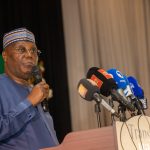
Former Vice President and presidential candidate of the African Democratic Congress, Atiku Abubakar, has described the death of retired Major General Abubakar Rabe in bandits’ captivity as a troubling reflection of Nigeria’s worsening security situation. In a statement, Atiku said the death of the former Director of Defence Information highlighted the growing vulnerability of citizens, […]
Share This Article:
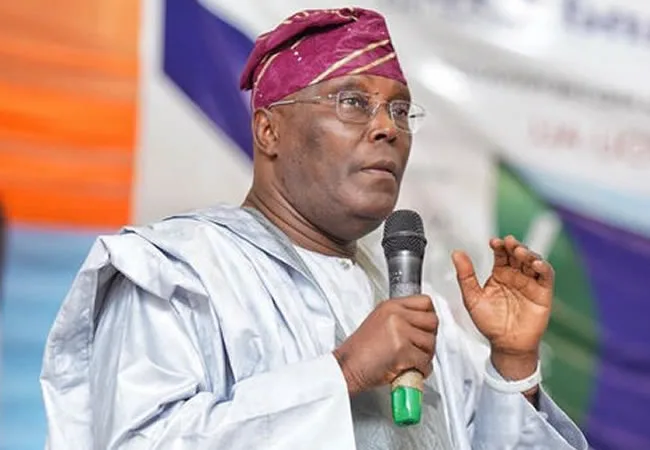
Former Vice President and presidential candidate of the African Democratic Congress, Atiku Abubakar, has described the death of retired Major General Abubakar Rabe in bandits’ captivity as a troubling reflection of Nigeria’s worsening security situation.
In a statement, Atiku said the death of the former Director of Defence Information highlighted the growing vulnerability of citizens, regardless of their status or previous service to the nation. He noted that the late military officer dedicated much of his life to defending Nigeria and described his death in captivity as both tragic and unacceptable.
According to reports, General Rabe died from complications related to diabetes and hypertension while efforts to secure his release were ongoing.
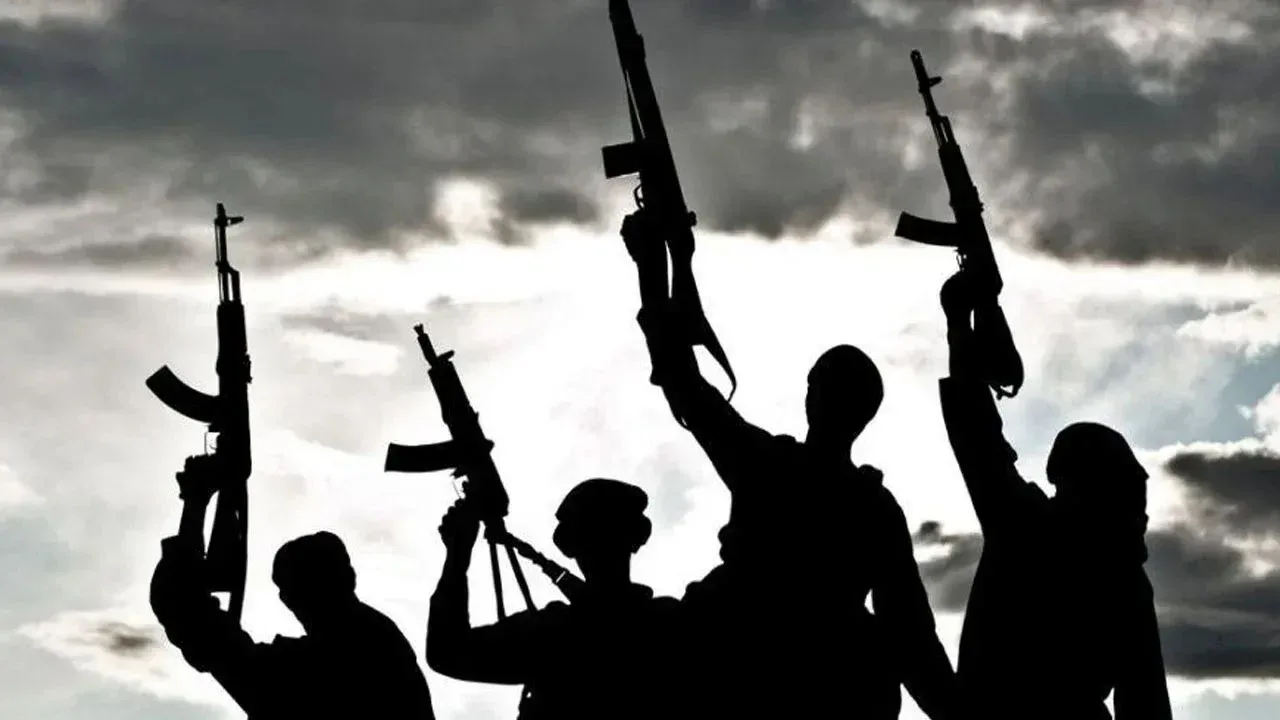
Atiku also expressed concern over a recent attack on Kautikari community in Chibok Local Government Area of Borno State, where terrorists reportedly set educational facilities ablaze. He said the incident revived painful memories associated with the 2014 Chibok schoolgirls’ abduction and underscored the persistent threat posed by insurgents.
The former vice president warned that continued attacks on schools and communities, alongside ongoing kidnappings across the country, point to a deteriorating security environment that requires urgent and coordinated action. He renewed his call for stronger measures to tackle insecurity and restore public confidence in the nation’s security architecture.
Atiku extended his condolences to the family of the late General Rabe and called for intensified efforts to secure the release of Nigerians still being held by bandits and terrorists.
Meanwhile, the Christian Association of Nigeria observed June 14, 2026, as Black Sunday in honour of victims of insecurity across the country. CAN President, Archbishop Daniel Okoh, urged authorities to take urgent and sustained action to protect lives and property, while calling on faith-based organisations to strengthen security awareness and preparedness.
Also speaking on security reforms, Deputy Speaker of the House of Representatives, Benjamin Kalu, reiterated his support for state policing, arguing that a decentralised security structure would improve intelligence gathering and response to local threats.
In a related development, the Human Rights Writers Association of Nigeria (HURIWA) called for stricter anti-terrorism measures, while religious leaders and security stakeholders urged greater collaboration and decisive action to address the country’s security challenges.
ADBN TV is a dynamic digital broadcasting platform committed to delivering credible news, inspiring stories, and engaging programmes that inform, educate, and connect communities across Nigeria and beyond.