Aviation unions at the Nigerian Civil Aviation Authority (NCAA) have called for the commercialisation or privatisation of the Nigerian Airspace Management Agency (NAMA), saying the reform is necessary to modernise Nigeria’s air navigation infrastructure and strengthen aviation safety. In a statement, the Joint Action Committee of aviation unions said NAMA’s dependence on government funding has […]
Aviation unions at the Nigerian Civil Aviation Authority (NCAA) have called for the commercialisation or privatisation of the Nigerian Airspace Management Agency (NAMA), saying the reform is necessary to modernise Nigeria’s air navigation infrastructure and strengthen aviation safety.
In a statement, the Joint Action Committee of aviation unions said NAMA’s dependence on government funding has delayed the deployment of critical technologies and infrastructure needed to meet global aviation standards.
The unions argued that commercialisation would enable the agency to access private investment, international financing and capital markets to fund modern air navigation systems, including satellite-based surveillance technology and other critical infrastructure.
They noted that reliance on annual government budget allocations and bureaucratic processes has slowed the implementation of essential safety upgrades, affecting operational efficiency.
The committee cited successful international air navigation service providers such as Nav Canada, NATS Holdings in the United Kingdom and Airways New Zealand as examples of commercially driven organisations operating efficiently under sustainable funding models.
The unions also called for greater transparency in NAMA’s revenue management, particularly regarding income generated from airspace violation fines and extension of service charges.
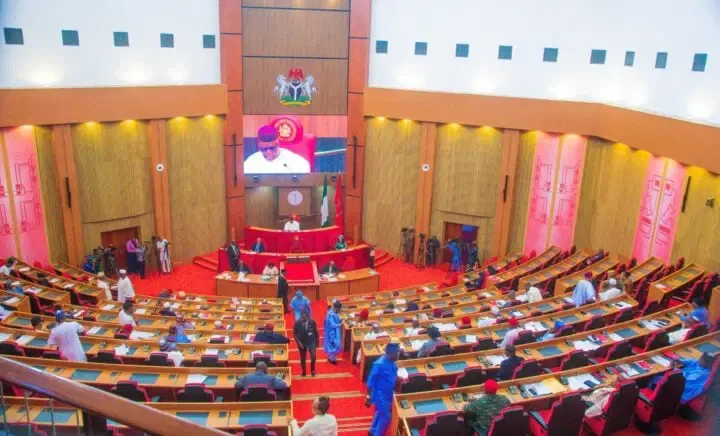
They criticised the agency’s proposal before the National Assembly to increase the Ticket Sales Charge, insisting that NAMA should instead improve operational efficiency and financial accountability.
The committee stressed that any commercialisation or privatisation model must preserve the Nigerian Civil Aviation Authority’s independence as the country’s safety regulator in line with the Civil Aviation Act and International Civil Aviation Organization standards.
According to the unions, reforming NAMA through commercialisation or a carefully structured Public-Private Partnership would improve efficiency, strengthen safety standards and ensure the long-term sustainability of Nigeria’s airspace management system.
ADBN TV is a dynamic digital broadcasting platform committed to delivering credible news, inspiring stories, and engaging programmes that inform, educate, and connect communities across Nigeria and beyond.