Israeli Prime Minister Benjamin Netanyahu is facing a major test of his leadership as voters head to the polls amid concerns over the October 2023 Hamas attack, years of conflict and growing political divisions. Despite mounting criticism, Netanyahu remains a prominent force in Israeli politics, backed by a strong right-wing support base. However, opinion polls […]
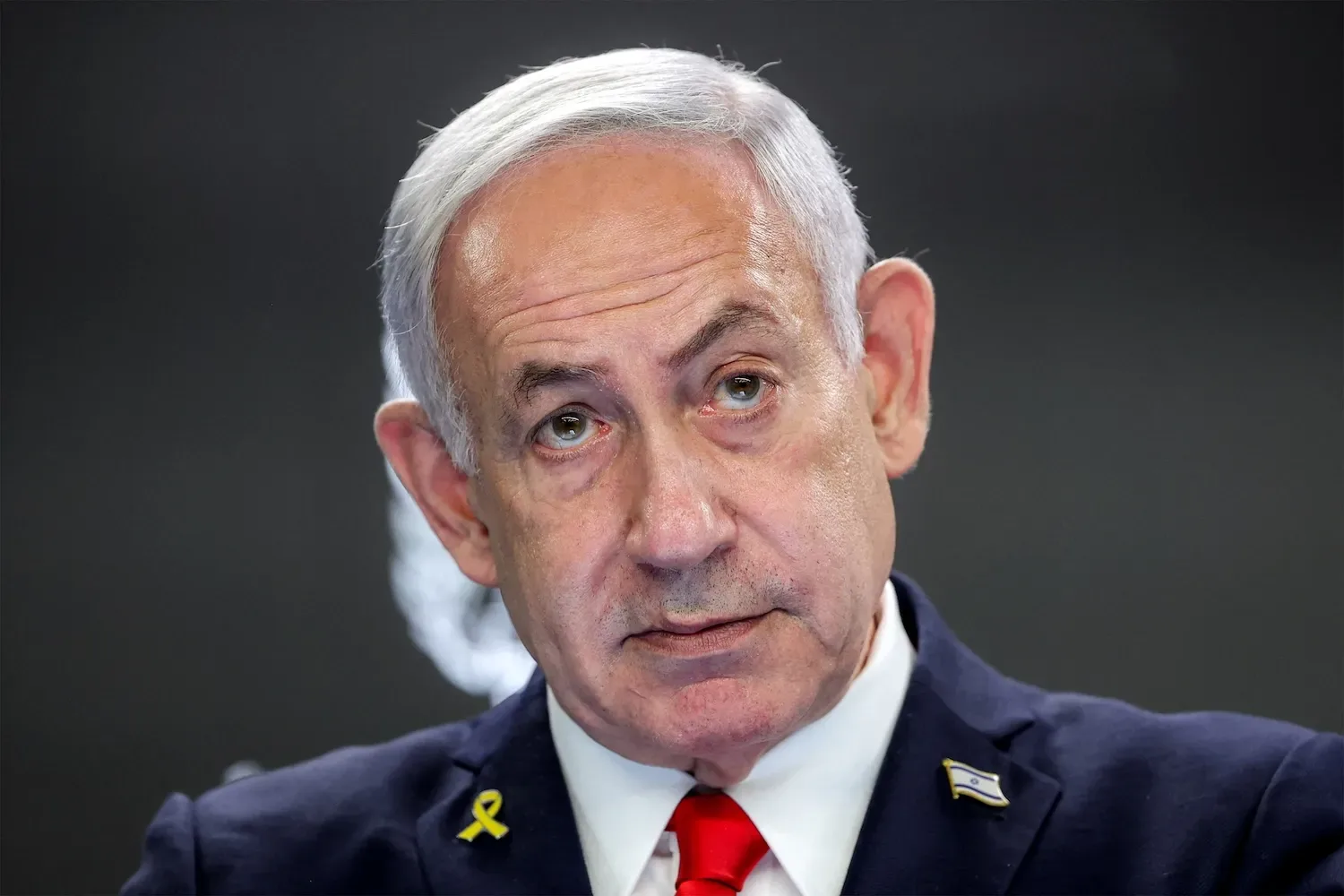
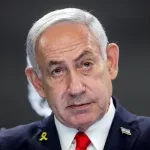
Israeli Prime Minister Benjamin Netanyahu is facing a major test of his leadership as voters head to the polls amid concerns over the October 2023 Hamas attack, years of conflict and growing political divisions.
Despite mounting criticism, Netanyahu remains a prominent force in Israeli politics, backed by a strong right-wing support base. However, opinion polls point to a closely contested race between his Likud party and its allies and a rival bloc led by former military chief Gadi Eisenkot.
Polling stations opened at 7 a.m. local time and are scheduled to close at 10 p.m., with about 7.3 million people eligible to vote, including approximately 330,000 first-time voters.
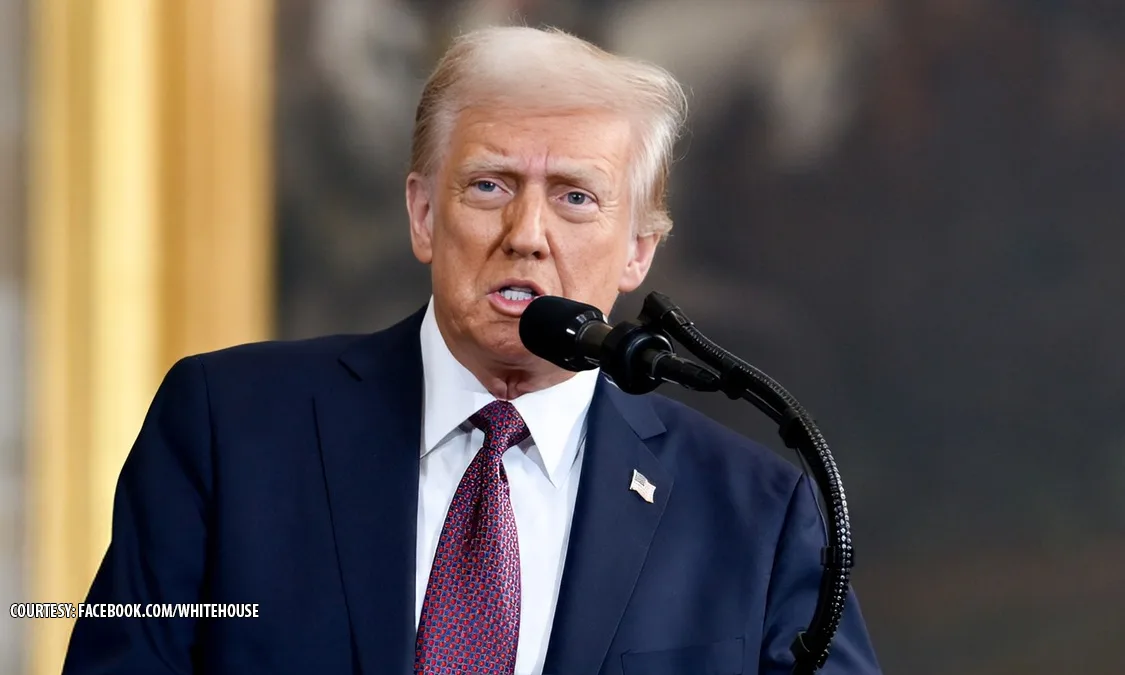
Netanyahu has made his record during the country’s wars a central part of his campaign, while highlighting his relationship with United States President Donald Trump. He recently suggested that Trump could take further action against Iran to eliminate what he described as an Iranian threat.
Eisenkot, however, accused Netanyahu of relying on fear and threats in his campaign, arguing that Trump would work with whichever leader Israelis elect.
Neither candidate appears to have a clear path to securing a majority in the 120-seat parliament. Netanyahu may again depend on far-right politicians Itamar Ben-Gvir and Bezalel Smotrich to form a governing coalition. If no bloc can secure enough support, Netanyahu could remain caretaker prime minister while efforts to form a government continue.
The election comes amid widespread debate over the government’s handling of the October 7, 2023 Hamas-led attack, which killed about 1,200 people and saw 251 others taken hostage, according to Israeli figures. Israel’s subsequent military offensive in Gaza has killed about 74,000 Palestinians, according to figures cited from Gaza health authorities.
For Netanyahu’s critics, accountability for the security failures surrounding the attack remains a central election issue. Some voters have called for a national commission of inquiry, while supporters argue that Netanyahu has handled the conflict as effectively as possible.
The prime minister is also facing continued criticism over corruption charges in a long-running criminal case, which he denies. His potential reliance on far-right coalition partners and the response of Arab voters could further shape the outcome.
Eisenkot has pledged to prevent Iran from developing nuclear weapons, whether through military action or a diplomatic agreement supported by Washington. He has also criticised violence by Jewish settlers against Palestinians in the occupied West Bank and opposed Netanyahu’s alliance with Ben-Gvir and Smotrich.
Political analyst Amotz Asa-El of the Shalom Hartman Institute expects a closely divided result, suggesting that neither side is likely to secure a decisive victory.
ADBN TV is a dynamic digital broadcasting platform committed to delivering credible news, inspiring stories, and engaging programmes that inform, educate, and connect communities across Nigeria and beyond.