



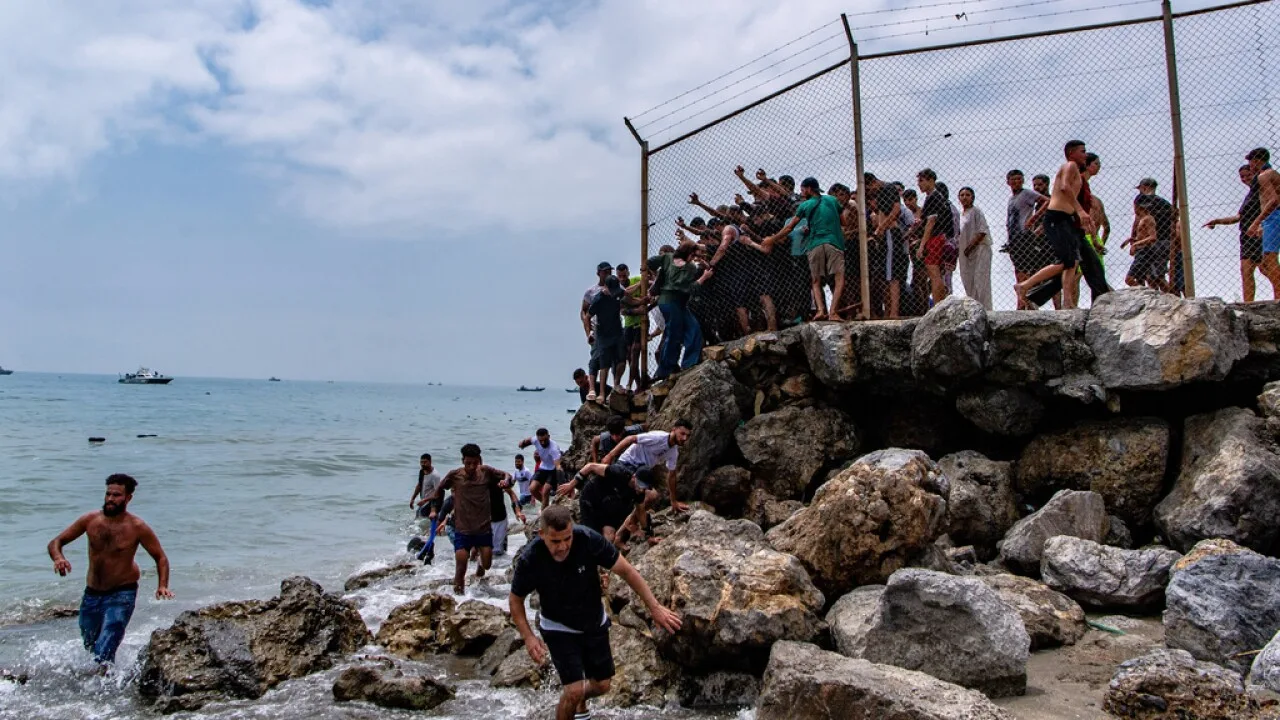
Spain has deployed troops to reinforce security in its North African enclave of Ceuta after thousands of migrants crossed from Morocco, overwhelming local authorities and raising fresh concerns over border security.
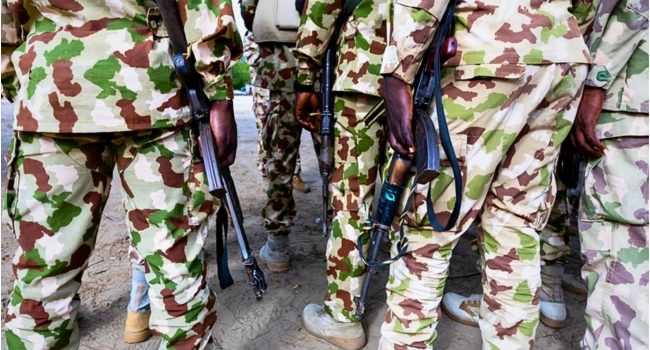
The Spanish Interior Ministry said the armed forces would support the Civil Guard in maintaining order and carrying out additional duties required to restore security.
The latest influx followed a ruling by Spain’s Supreme Court that migrants intercepted at sea while attempting to reach Ceuta or Melilla cannot be immediately returned to Morocco. Spanish authorities accused human trafficking networks of exploiting the ruling to encourage undocumented migration.
At least 15 people reportedly drowned while attempting the sea crossing, while thousands entered Ceuta by swimming around the border jetty.
Prime Minister Pedro Sánchez is expected to visit Ceuta and has pledged to restore normalcy as quickly as possible. Local officials say migrant reception centres have exceeded capacity and have called for urgent assistance from the central government.
Related Posts:




Ceuta’s regional leader, Juan Jesús Vivas, described the situation as overwhelming, while Spanish media estimated that between 2,000 and 3,000 migrants entered the territory during Thursday’s crossing. Authorities have not officially confirmed the figures.
Reports also indicated that Moroccan security forces used water cannons near the border town of Fnideq to discourage further crossings.
The situation has also generated political tensions in Europe, with Italian Prime Minister Giorgia Meloni raising concerns about the implications of uncontrolled migration for European security and suggesting that extraordinary measures could be considered.
Spain rejected the remarks, with Foreign Minister José Luis Albares calling for European solidarity in addressing migration.
The latest influx has drawn comparisons with the 2021 Ceuta migration crisis, when about 8,000 people crossed into the Spanish enclave within days.
Ceuta and Melilla remain the European Union’s only land borders with Africa and continue to serve as major migration routes despite increased security measures.