



Nationwide Blackout
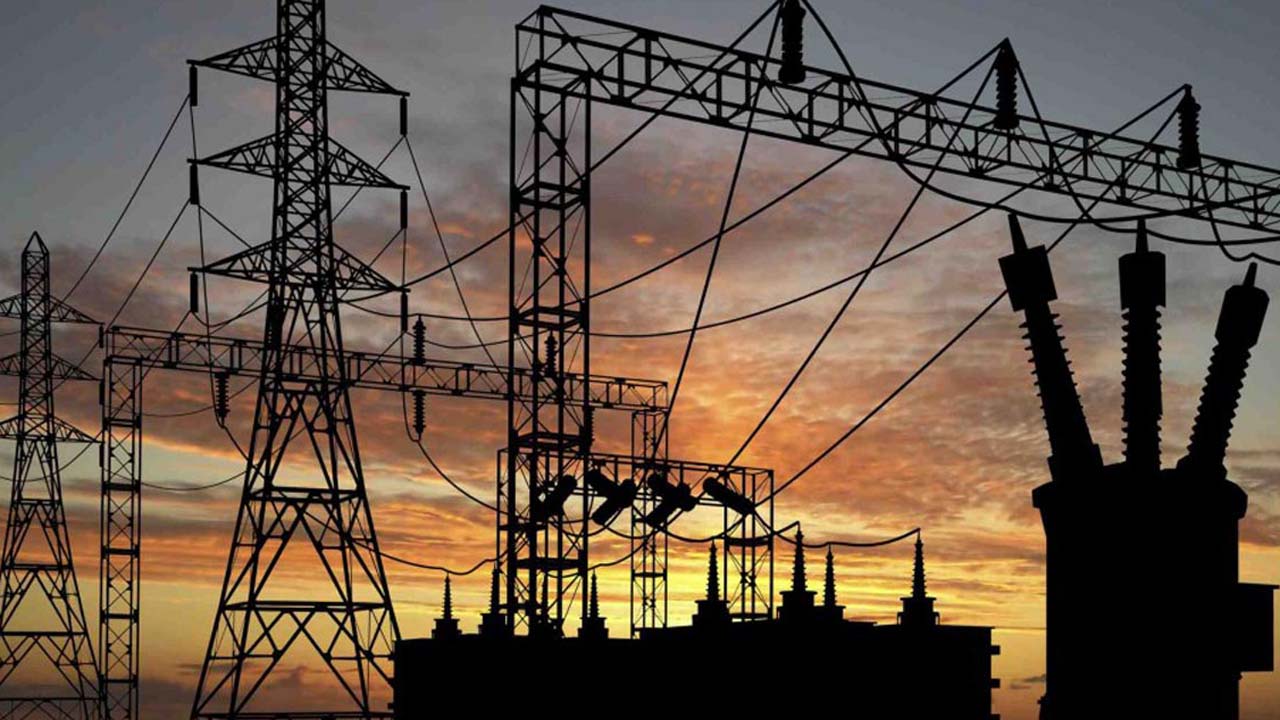
Nigeria’s national electricity grid has suffered another system collapse, plunging large parts of the country into darkness and cutting off power supply to all electricity distribution companies.
Data obtained as of the time of filing this report showed that electricity generation on the national grid dropped to zero megawatts, with no power allocated to any of the 11 electricity distribution companies (DisCos) across the country.
The latest incident, which occurred on Tuesday, marks the second grid collapse in 2026, coming just days after the first collapse recorded last Friday. It also follows a similar nationwide outage on December 29, 2025, raising fresh concerns over the stability and reliability of Nigeria’s power infrastructure.
Generation Crashes From 4,500MW To Zero
Available generation data indicated that electricity output crashed sharply from over 4,500 megawatts to 0 megawatts by about 11:00am, effectively shutting down supply to homes, businesses, and critical services nationwide.
Related Posts:





Checks further revealed that all 23 power generation plants connected to the national grid reportedly lost output during the incident, resulting in zero load allocation to each of the country’s electricity distribution companies.
The development triggered widespread outages across several states, with many electricity consumers reporting sudden blackouts without prior notice.
Recurring Grid Failures Raise Concerns
Nigeria has continued to grapple with repeated grid collapses, which industry experts have linked to a mix of technical faults, poor maintenance of transmission infrastructure, and fluctuations in generation capacity.
The recurring failures have also intensified concerns over the ability of the power sector to meet growing electricity demand, especially as businesses increasingly rely on alternative energy sources due to unstable grid supply.
TCN Yet To Issue Detailed Explanation
As of the time of filing this report, the Transmission Company of Nigeria (TCN) had yet to issue a detailed statement explaining the cause of the latest collapse or providing a timeline for full restoration of power.
In previous incidents, the grid has often been restored after several hours, though partial supply usually returns in phases depending on system stability and technical conditions.
Impact On Consumer
The collapse is expected to further strain households and businesses already facing high energy costs, particularly those dependent on generators amid rising fuel prices.
Power sector stakeholders have repeatedly called for urgent investment in transmission infrastructure and system upgrades to reduce the frequency of nationwide outages.