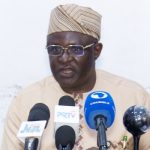
The International Committee of the Red Cross (ICRC) and the Nigerian Medical Association (NMA) have strengthened joint efforts to address the growing attacks on health workers and medical facilities across the country. This commitment was the focus of a sensitisation and data engagement meeting held on Thursday in Abuja, aimed at improving structured incident reporting […]
Share This Article:
The International Committee of the Red Cross (ICRC) and the Nigerian Medical Association (NMA) have strengthened joint efforts to address the growing attacks on health workers and medical facilities across the country.
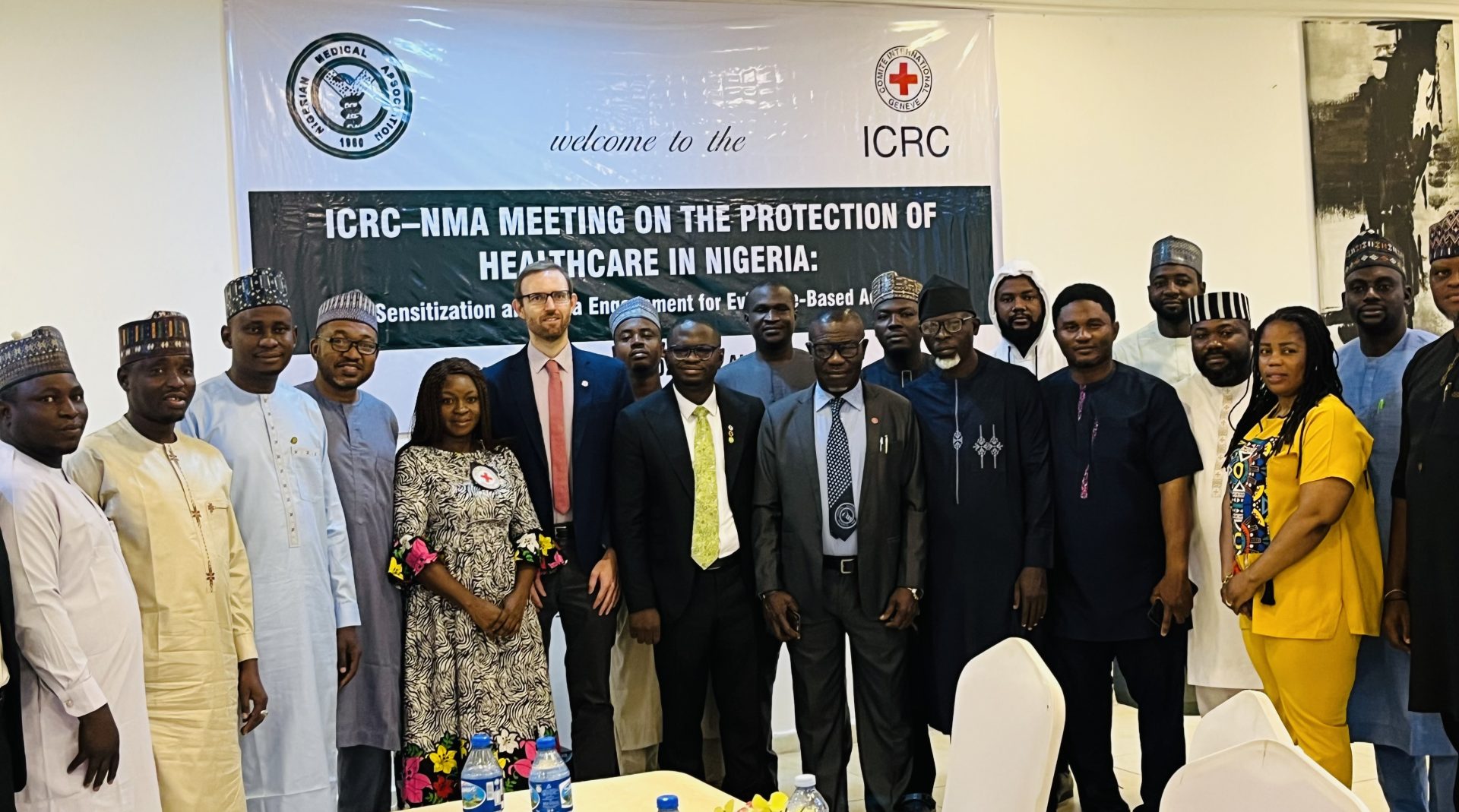
This commitment was the focus of a sensitisation and data engagement meeting held on Thursday in Abuja, aimed at improving structured incident reporting and enhancing the protection of healthcare services nationwide.
The Deputy Head of Delegation of the ICRC, James Mathews, said the collaboration represents a crucial step toward safeguarding hospitals, health workers, and patients. He noted that many attacks remain undocumented, weakening national response mechanisms and making it harder to advocate for effective policy interventions.
He explained that the meeting is intended to build a unified, systematic approach to documenting violence against healthcare, stressing that reliable data is essential for analysis, accountability, and evidence-based action at both national and state levels.
Representing the NMA President, Dr. Ushakuma Anenga commended the ICRC for sustaining its partnership with the Association. He said health workers continue to face intimidation, disruptions, assaults and violent attacks issues particularly prevalent in northern states which undermine service delivery and endanger medical personnel.
Dr. Anenga highlighted the value of the Healthcare in Danger (HCiD) data system in providing an objective method for capturing incidents. He urged NMA Branch Secretaries, described as the Association’s “engine room,” to demonstrate commitment through timely documentation, validation and submission of reports from their states.
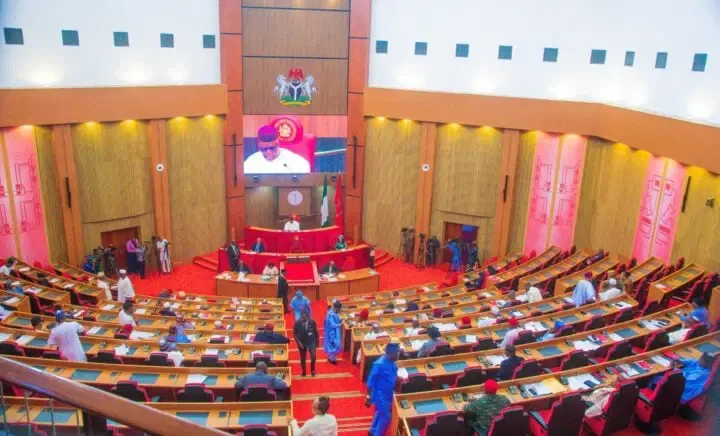
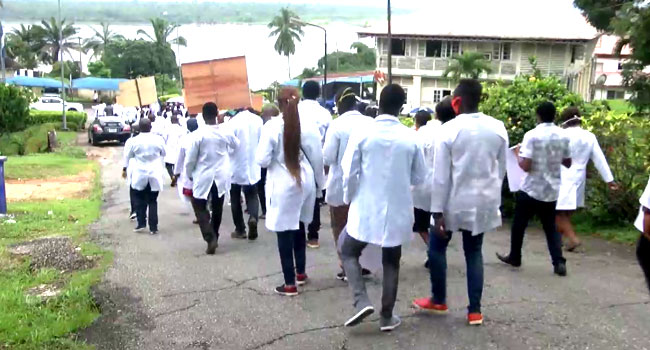
Also speaking, NMA Secretary-General, Dr. Ben Egbo, drew attention to the rising cases of violence against health workers, citing the recent assault on a female medical doctor in Yobe State, which led to a doctors’ strike and an ongoing court case. He said the absence of harmonised national statistics has made it difficult to convince policymakers of the severity of the problem.
Dr. Egbo said the new reporting system will provide credible, structured evidence to strengthen advocacy and improve accountability. He assured that all state reports will be channelled to his office for proper collation with support from NMA secretariat staff.
The meeting brought together NMA Branch Secretaries from northern states and the FCT for training on the HCiD incident documentation and reporting tool. Branches are expected to begin monthly submissions of incident data to the NMA Headquarters for consolidation and onward sharing with the ICRC.
ADBN TV is a dynamic digital broadcasting platform committed to delivering credible news, inspiring stories, and engaging programmes that inform, educate, and connect communities across Nigeria and beyond.