NVIDIA Chief Executive Officer Jensen Huang joined United States President Donald Trump on his visit to China, raising expectations that discussions surrounding the sale of Nvidia’s H200 artificial intelligence chips to Chinese firms could finally gain traction. Huang’s participation in the Beijing trip was not initially expected after the White House released an earlier list […]
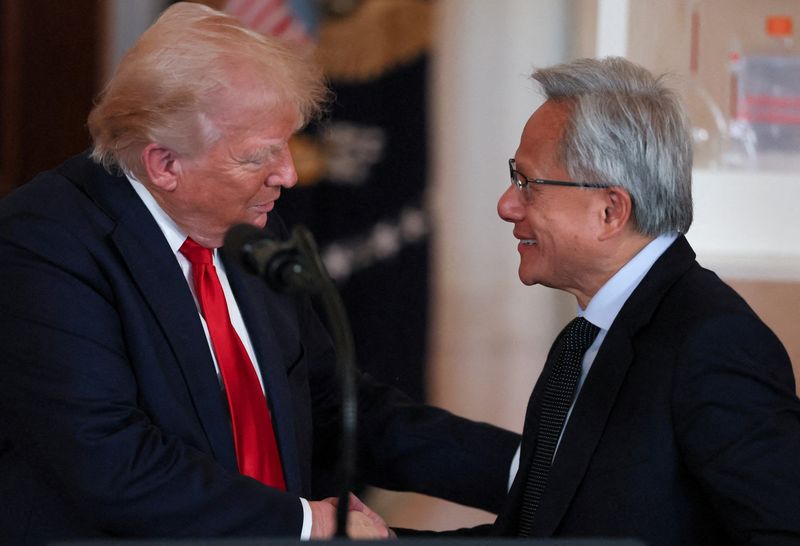
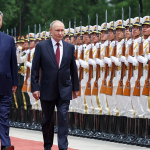
NVIDIA Chief Executive Officer Jensen Huang joined United States President Donald Trump on his visit to China, raising expectations that discussions surrounding the sale of Nvidia’s H200 artificial intelligence chips to Chinese firms could finally gain traction.
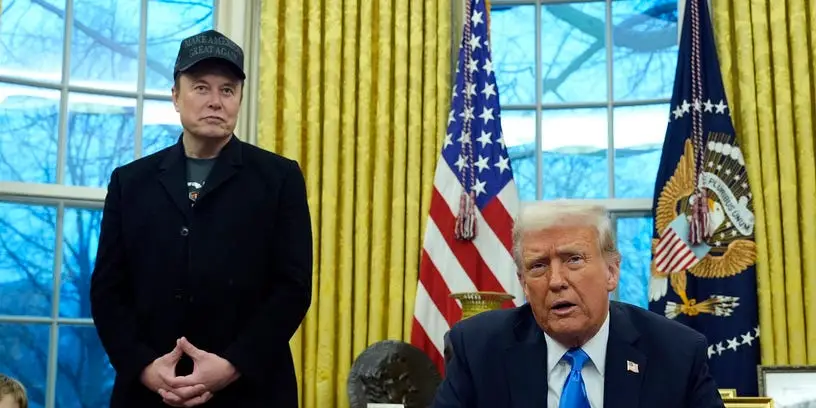
Huang’s participation in the Beijing trip was not initially expected after the White House released an earlier list of executives travelling with Trump, which included Elon Musk and Tim Cook.
According to a source familiar with the matter, Trump personally contacted Huang on Tuesday after reports emerged that the Nvidia boss had not been invited. Huang was later seen boarding Air Force One in Alaska alongside the president before their arrival in China on Wednesday evening.
An Nvidia spokesperson said Huang joined the summit at Trump’s invitation “to support the United States and the administration’s objectives.”
The White House also confirmed Huang’s participation, stating that a scheduling adjustment made it possible for him to join the delegation at short notice.
The development has fueled optimism among Chinese technology firms that stalled negotiations over Nvidia’s H200 chip sales to China may soon progress after months of uncertainty and regulatory delays.
The H200 chips are considered critical for advanced artificial intelligence systems and have become a major point of contention in US-China technology relations. Before export restrictions tightened, China accounted for about 13 percent of Nvidia’s global revenue.
Sources within China’s technology sector reportedly described Huang’s appearance on the trip as a positive signal that discussions over the chips could move forward. Another source at a major Chinese server manufacturing company said the visit could help accelerate negotiations.
Although the Trump administration approved H200 chip exports to China late last year and formally cleared the sales in January under specific conditions, no shipments have yet reached Chinese customers.
People familiar with the matter said disagreements over sales conditions and regulatory approvals on both the American and Chinese sides have continued to delay transactions.
US Commerce Secretary Howard Lutnick recently stated that Chinese firms were still facing difficulties securing approval from their government to complete purchases of the chips.
The issue has also sparked criticism among some American officials and policy analysts who argue that expanding China’s access to advanced US AI technology could weaken America’s competitive edge.
Senior fellow at the Council on Foreign Relations, Chris McGuire, criticised Huang’s inclusion in the trip, warning that increased chip sales to China could narrow the United States’ lead in artificial intelligence development.
ADBN TV is a dynamic digital broadcasting platform committed to delivering credible news, inspiring stories, and engaging programmes that inform, educate, and connect communities across Nigeria and beyond.