




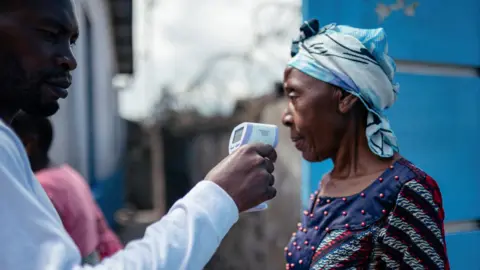
Nigeria has stepped up surveillance and public health preparedness following the latest Ebola outbreak in the Democratic Republic of Congo (DRC), which has reportedly claimed 88 lives and spread into neighbouring Uganda.
The Nigeria Centre for Disease Control and Prevention (NCDC) said although no case has been confirmed in Nigeria, authorities are strengthening surveillance systems, laboratory readiness, infection prevention protocols and public awareness measures nationwide.
In a statement issued by the Director-General of the NCDC, Dr Jide Idris, the agency said it was closely monitoring developments due to increased regional movement across African countries and was working with Port Health Services and other stakeholders to strengthen preparedness within Nigeria’s public health system.
The development follows the World Health Organization’s declaration of the latest Ebola outbreak in the DRC and Uganda as a “public health emergency of international concern.”
Health authorities said the outbreak, centred in eastern DRC’s Ituri province, involves the rare Bundibugyo strain of the Ebola virus, which currently has no approved vaccine or treatment. Reports indicate that around 246 suspected cases have been recorded across affected areas, including Bunia, Mongwalu and Rwampara.
The WHO confirmed that infections linked to the outbreak have also reached Kinshasa, the Congolese capital, while Uganda recorded at least two confirmed cases, including a 59-year-old man who died after testing positive for the virus.
Despite declaring the outbreak an international health emergency, the WHO said the situation did not yet meet the threshold for a pandemic declaration and advised countries against imposing border closures or trade restrictions.
According to the NCDC, Ebola Virus Disease is transmitted through direct contact with blood, bodily fluids, secretions or contaminated materials from infected persons or animals. Symptoms include fever, weakness, headache, muscle pain, sore throat, vomiting, diarrhoea and, in severe cases, unexplained bleeding.
The agency urged healthcare workers across the country to maintain a high level of vigilance, particularly when handling patients with symptoms associated with Ebola and relevant travel history. It also advised Nigerians to practise proper hygiene, avoid misinformation and promptly report unusual illnesses to health authorities.
Nigeria previously earned global recognition for successfully containing an Ebola outbreak in 2014 after an infected traveller arrived in Lagos from Liberia.