The United States has carried out major airstrikes on Iranian missile installations near the Strait of Hormuz, deploying powerful bunker-penetrating bombs in what analysts describe as a significant escalation of the growing Middle East conflict. According to the US military, the strikes targeted key missile infrastructure in Iran. The attacks come amid rising tensions following […]
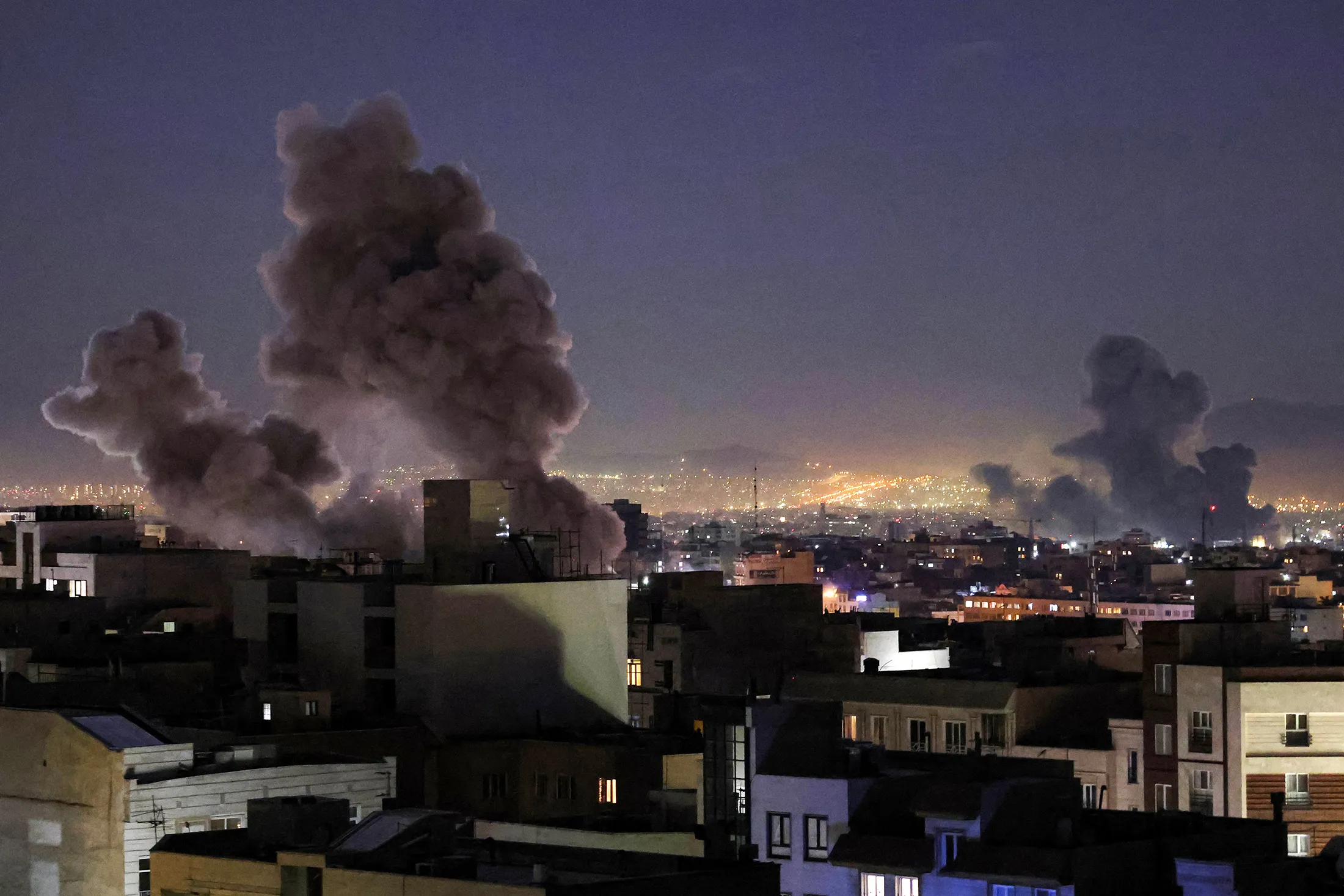
The United States has carried out major airstrikes on Iranian missile installations near the Strait of Hormuz, deploying powerful bunker-penetrating bombs in what analysts describe as a significant escalation of the growing Middle East conflict.
According to the US military, the strikes targeted key missile infrastructure in Iran. The attacks come amid rising tensions following the reported killing of senior Iranian security figure Ali Larijani.
Iranian officials described Larijani’s death as a severe blow to the country’s leadership structure, noting it as one of the most significant losses within the political establishment since Ali Khamenei became Supreme Leader.
Retaliatory Strikes Across the Region
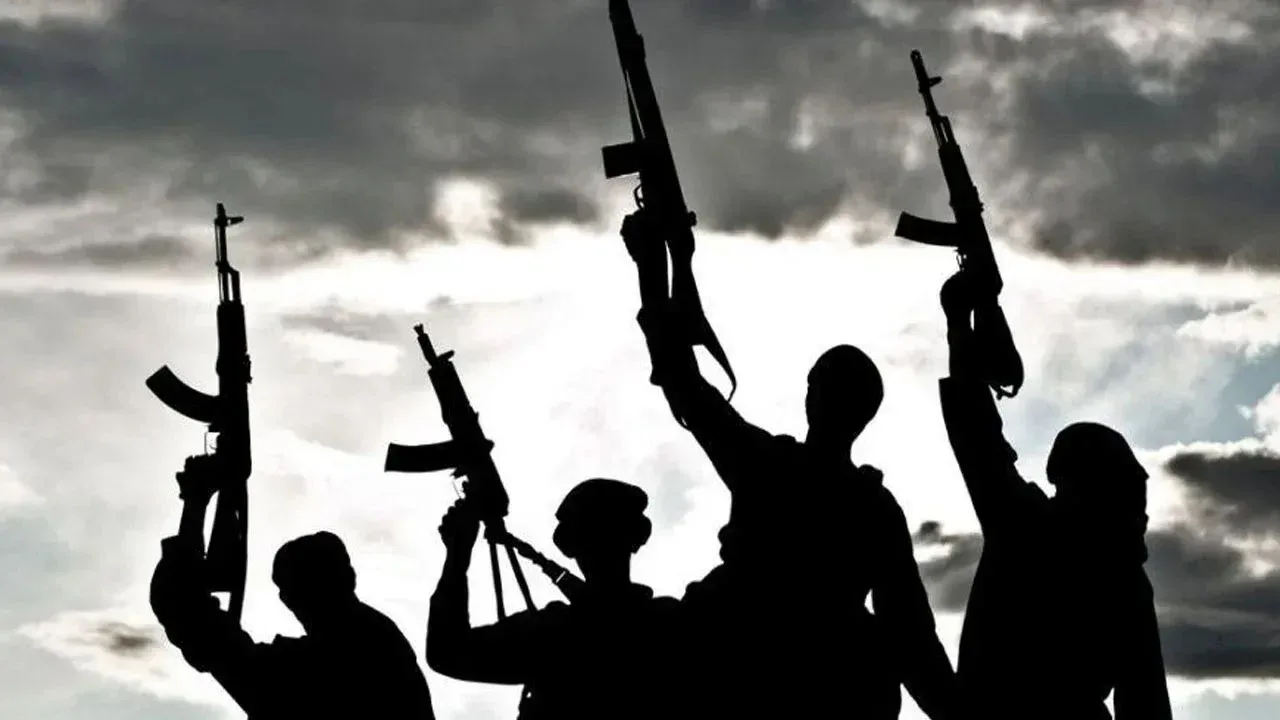
Following the US attacks, Iran and allied militia groups reportedly launched retaliatory strikes across several locations in the region.
In Tel Aviv, emergency services confirmed that at least two people were killed after suffering severe shrapnel injuries during missile attacks.
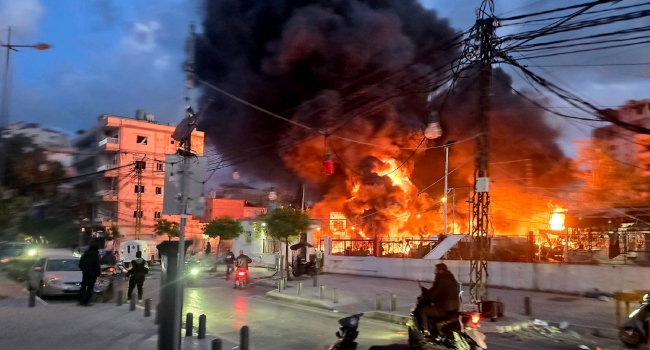
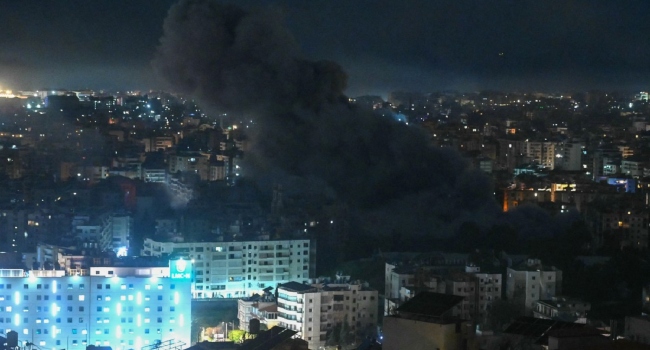
Meanwhile, Israeli forces carried out airstrikes in Beirut, targeting areas in the centre of the city. One building in a commercial district was reportedly destroyed as Israel intensified operations against Hezbollah.
Authorities also issued evacuation orders in parts of southern Lebanon as the situation escalated.
Conflict Spreads Across the Gulf
The crisis appears to be widening beyond the immediate conflict zones. Reports of explosions have emerged from Dubai and Baghdad, raising concerns that more countries in the Gulf region could be drawn into the conflict.
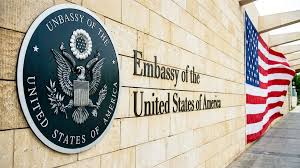
Saudi Arabia confirmed that its defence systems intercepted and destroyed a drone heading toward its embassy district, highlighting the growing risk of attacks spreading to neighbouring states.
Fear Among Civilians
Inside Tehran, residents say fear and uncertainty are increasing as the conflict intensifies. Civilians report living under constant tension as airstrikes and threats of retaliation continue.
The latest developments add to an expanding cycle of military actions involving the United States, Iran, Israel, and allied militia groups, raising global concerns about the possibility of a prolonged and wider regional war in the Middle East.
ADBN TV is a dynamic digital broadcasting platform committed to delivering credible news, inspiring stories, and engaging programmes that inform, educate, and connect communities across Nigeria and beyond.