


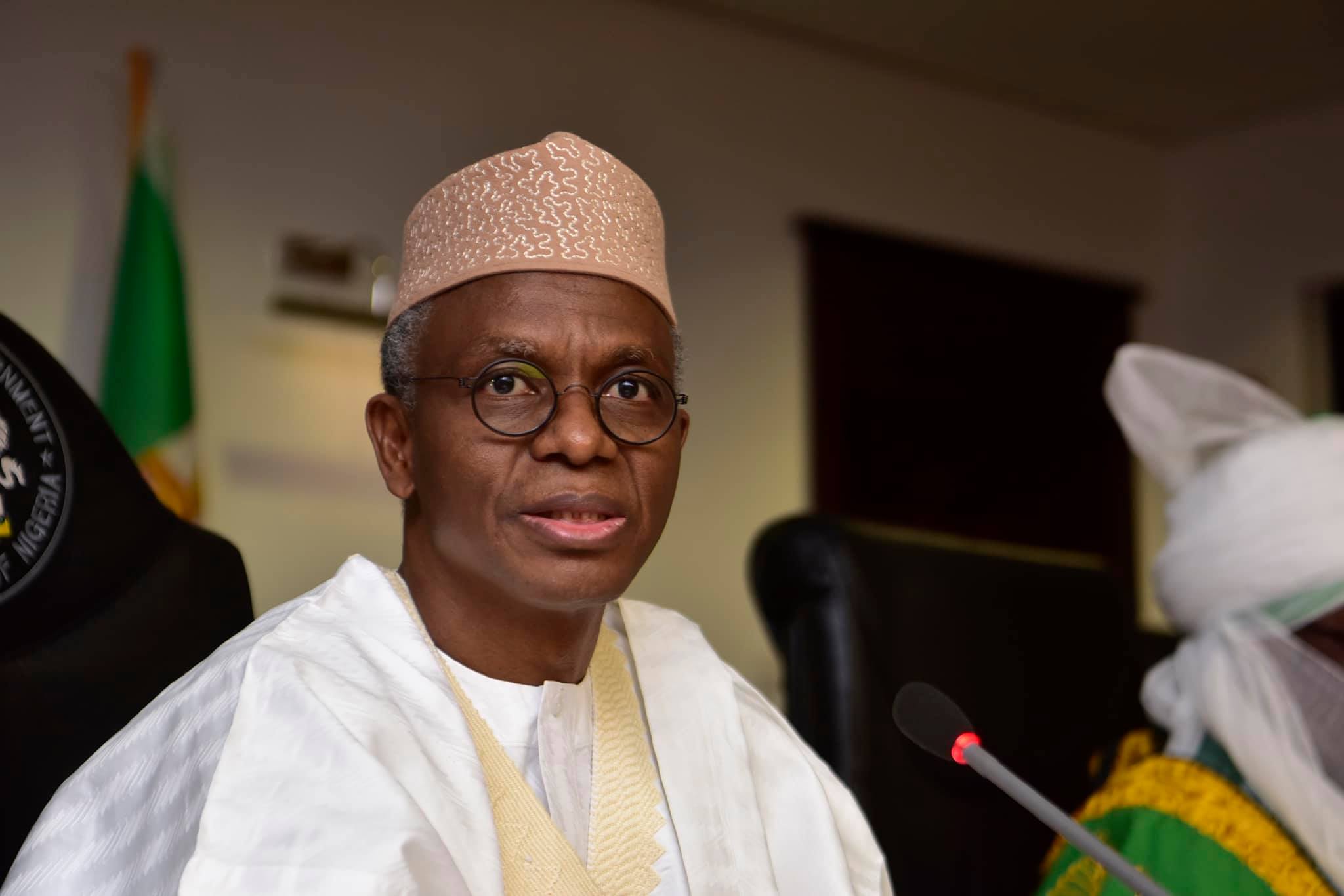
The Department of State Services (DSS) has filed criminal charges against former Kaduna State Governor, Nasir El-Rufai, at the Federal High Court over allegations of unlawful interception of phone communications belonging to Nigeria’s National Security Adviser, Nuhu Ribadu.
According to court documents sighted by reporters, the DSS accused El-Rufai of involvement in acts that allegedly compromised public safety and national security, warning that the incident generated widespread fear and concern among Nigerians.
The prosecution’s case is partly anchored on comments attributed to El-Rufai during a live television interview on ARISE TV on February 13, during which he reportedly admitted to having knowledge of the alleged interception. Investigators contend that the statements amounted to an admission that sensitive communications involving the country’s top security official were unlawfully accessed.
In a three-count charge, the DSS alleged that the former governor either directly participated in the interception or failed to report individuals responsible for the act, despite being aware of their activities. The agency maintained that such omissions, if proven, constitute serious offences under Nigerian law, given the sensitive nature of the office involved and the potential implications for national security.
The charges were filed under provisions of the Cybercrimes (Amendment) Act 2024 and the Nigerian Communications Act 2003. Prosecutors argued that the alleged actions violated statutory safeguards designed to protect private communications and prevent unauthorised surveillance, especially where senior government officials are concerned.
Related Posts:

The DSS further stated that unlawful interception of communications belonging to the National Security Adviser could undermine confidence in the country’s security architecture and expose classified information to unauthorised persons.
As of the time of filing, no trial date had been announced, and El-Rufai had yet to formally enter a plea. The former governor has not publicly responded to the charges, though his allies have previously dismissed similar allegations against him as politically motivated.
The case adds a new legal dimension to El-Rufai’s ongoing public dispute with elements of the federal government, following a series of exchanges and accusations in recent weeks. Legal observers say the outcome could test the scope and enforcement of Nigeria’s updated cybercrime laws, particularly as they relate to high-profile political figures and national security officials.