Two federal judges in Massachusetts and Rhode Island have ordered the Trump administration to immediately resume food assistance payments to millions of Americans, ruling that the government cannot suspend Supplemental Nutrition Assistance Program (SNAP) benefits during the prolonged shutdown. The courts directed the administration to tap into emergency contingency funds to ensure that over 42 […]
Share This Article:
Two federal judges in Massachusetts and Rhode Island have ordered the Trump administration to immediately resume food assistance payments to millions of Americans, ruling that the government cannot suspend Supplemental Nutrition Assistance Program (SNAP) benefits during the prolonged shutdown.
The courts directed the administration to tap into emergency contingency funds to ensure that over 42 million low-income Americans continue receiving monthly food aid despite the funding halt caused by the shutdown, now entering its second month.
SNAP, commonly known as food stamps, provides reloadable debit cards that help families purchase groceries. The average household of four receives about $715 monthly, or roughly $6 per person per day. Federal funding for the program has been frozen since October 1, when the budget impasse began.
In her ruling, Judge Indira Talwani of Massachusetts said the plaintiffs were likely to succeed on their claim that Congress intended for SNAP to continue “at a reduced rate if necessary” when federal funds run out. She ordered the government to draw from its $6 billion emergency fund and report back by Monday on whether at least partial benefits would be issued for November.
Similarly, Judge John J. McConnell Jr. of Rhode Island ordered the administration to make full SNAP payments by November 3, using either the contingency fund or a separate $23 billion reserve under the Agricultural Adjustment Act of 1935. If full payments are not possible, he instructed that partial disbursements be made by November 5.
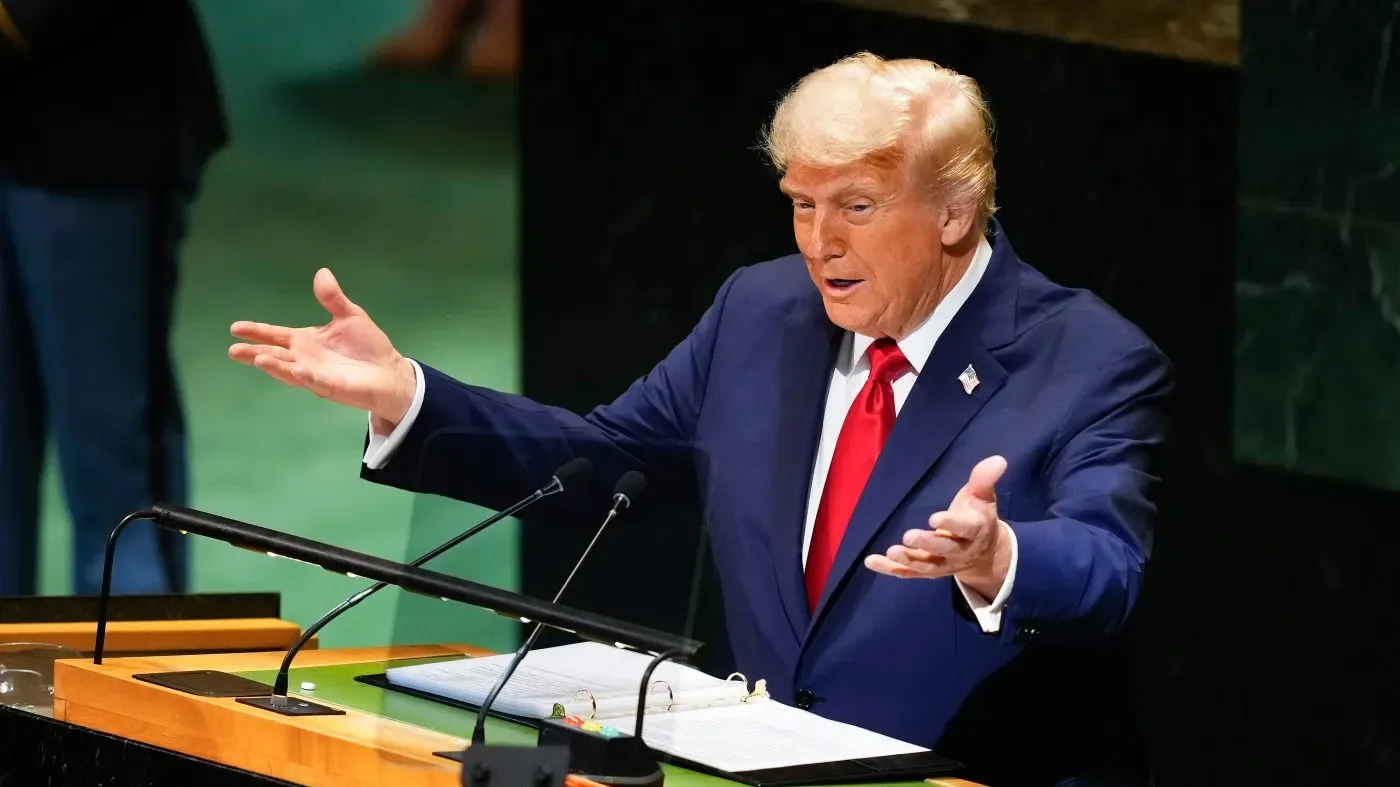
President Donald Trump, in a post on his Truth Social platform, said he had asked government lawyers to seek court guidance on legally funding the program but warned of potential delays.
The shutdown — triggered by a budget standoff between Republicans and Democrats — has disrupted several federal programs and left millions uncertain about access to essential services.
Advocacy groups, including the National Parents Union, condemned the administration’s attempt to halt benefits, describing it as “a moral disgrace and a direct assault on America’s working families.”
While the rulings offer temporary relief, experts caution that the contingency fund would only sustain about 60 percent of beneficiaries for one month, underscoring the urgency of a resolution to the fiscal deadlock.
ADBN TV is a dynamic digital broadcasting platform committed to delivering credible news, inspiring stories, and engaging programmes that inform, educate, and connect communities across Nigeria and beyond.