The World Bank has revised Nigeria’s 2025 growth forecast upward to 3.8 percent, citing easing inflation and improved monetary conditions across sub-Saharan Africa.
According to the Bank’s latest Africa Pulse report, the region’s growth outlook was upgraded from 3.5 percent in April, driven by stabilising exchange rates and inflation in countries like Nigeria and Ethiopia, which have given room for monetary policy easing.
The development follows the Central Bank of Nigeria’s recent decision to lower interest rates from 27.5 percent to 27 percent.
The World Bank said growth in major regional economies — including Nigeria, Ethiopia, and Ivory Coast — is accelerating as real incomes rise, adding that sub-Saharan Africa is gradually recovering from years of economic shocks.
“While this marks a gradual recovery from a decade of successive shocks, the rebound has yet to gain strong momentum,” the report stated.
The Bank projects regional growth to average 4.4 percent annually over the next two years, slightly above the previous 4.3 percent forecast. It said 30 out of 47 African economies had their growth outlooks revised upward.
“These favourable conditions are fuelling a recovery in private consumption and investment,” the report noted, though it cautioned that fiscal consolidation measures could moderate the pace of recovery.
Andrew Dabalen, the World Bank’s Chief Economist for Africa, said inflation has eased significantly across the region.
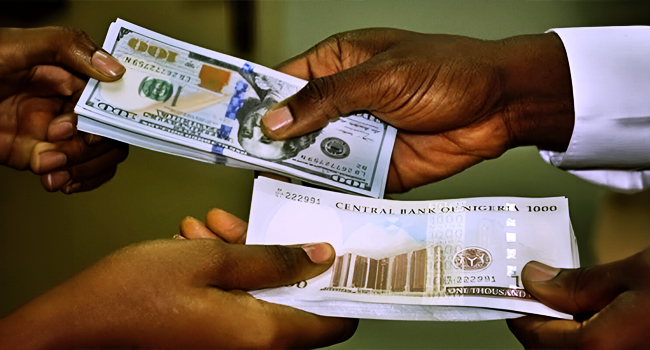
“The median inflation is less than 4%. Moreover, most of the currencies that were cratering relative to the U.S. dollar have now recovered and are stable,” he said.
The Bank, however, warned of persistent risks from global trade uncertainties, high debt levels, and unemployment pressures as millions of young Africans enter the labour market.
It urged governments to prioritise policies that create sustainable jobs and support small and medium-sized enterprises.
“These jobs have to be ones that provide a living wage and secure lives,” Dabalen added, noting that most new jobs in the region remain in the informal sector.
The report linked youth-led protests in Kenya, Nigeria, and Madagascar to rising unemployment, warning that failure to address these challenges could threaten long-term stability and growth.